I used to think wildlife protection mostly meant drawing a hard line around a protected area and keeping human activity outside it. The more I looked at conservation in real communities, though, the less practical that idea seemed. People already live, farm, work, travel, and raise families across many landscapes that wildlife also uses. I […]
I used to think wildlife conservation was mostly about protecting animals from direct threats. The more I learned about habitats, the more I noticed how deeply animals depend on functioning forests, wetlands, grasslands, rivers, and coastal systems. Healthy systems provide food, water, shelter, breeding areas, and ecological relationships that make survival possible. I also started […]
I started noticing wildlife differently when seasonal patterns stopped feeling predictable. Birds appeared at different times, insects seemed to linger longer, and animals showed up in places where I had not expected them. Those changes made me realize that wildlife is not waiting for ecosystems to return to normal. Animals are responding in real time, […]
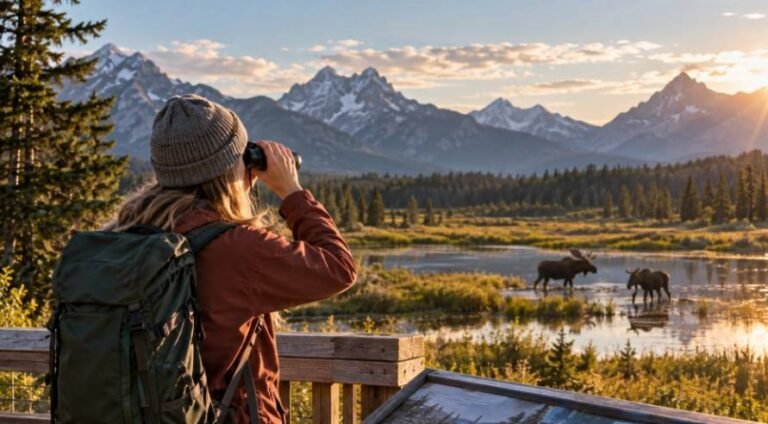
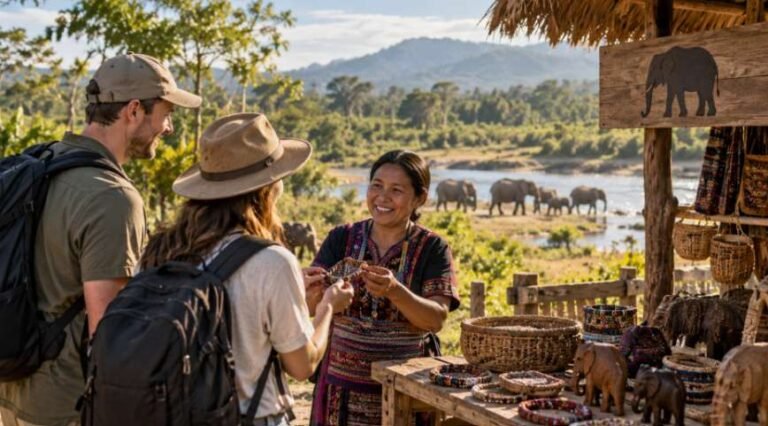
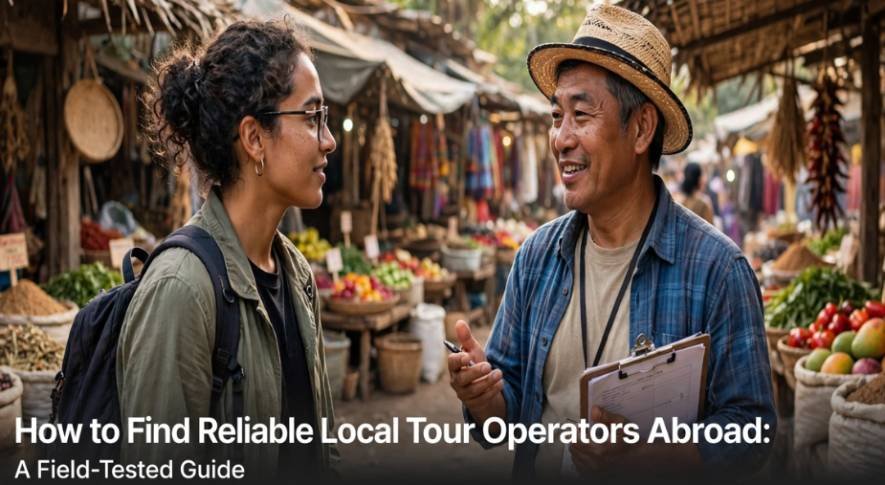
I have noticed a shift in the way wildlife trips are discussed. The most memorable experiences are no longer only about checking a rare animal off a list. I find myself more interested in places where the visit has a visible purpose, whether that means protecting habitat, hiring local guides, or helping communities see wildlife […]
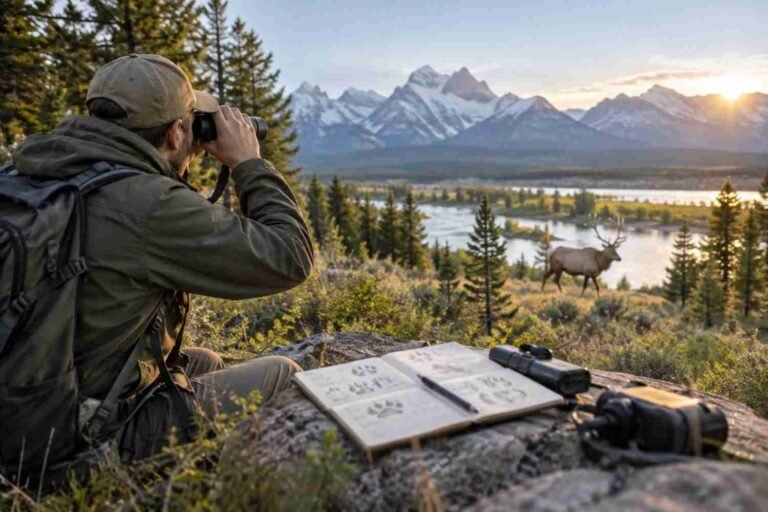
I used to think wildlife tracking meant finding a footprint and following it until an animal appeared. After learning more about fieldwork, I realized the process is much quieter and more analytical. A good naturalist reads the landscape first, notices what has changed, and builds a picture from small clues rather than chasing a sighting. […]
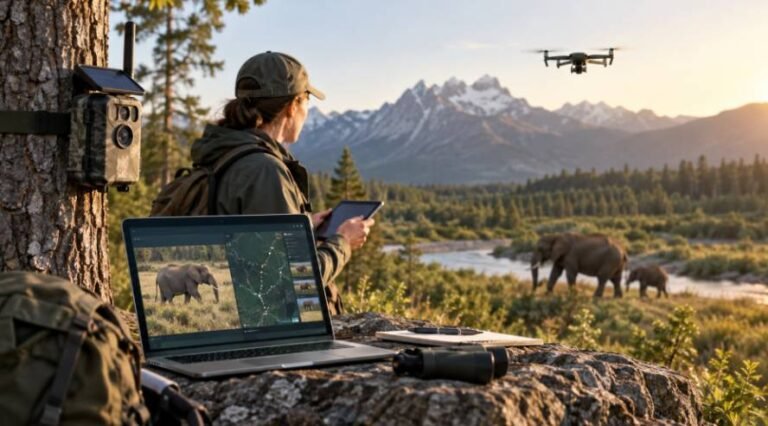
I used to think wildlife monitoring mostly meant researchers trekking through forests, waiting for a glimpse, and recording what they saw. That picture feels incomplete now. A camera can watch a trail overnight, a tracking tag can follow an animal for hundreds of miles, and a water sample can reveal that a species passed through […]
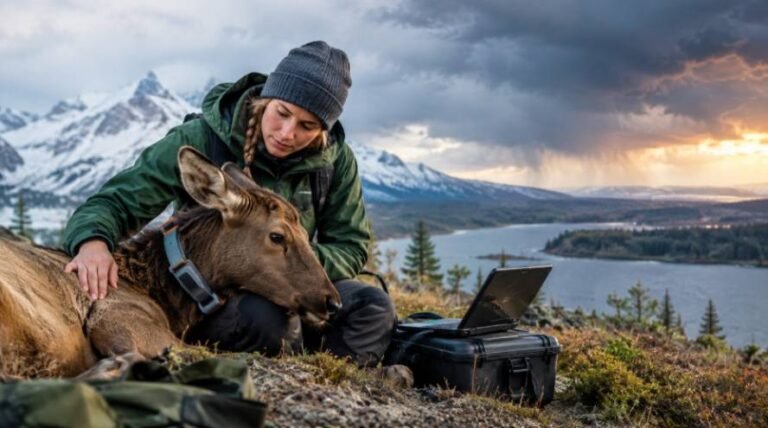
I used to think extreme weather was a temporary crisis for wildlife: a heat wave, a wildfire, a flood, then a return to normal. The more I learned about conservation, the less convincing that picture became. When weather patterns shift, animals can lose water, food, shelter, breeding sites, and safe routes at the same time. […]
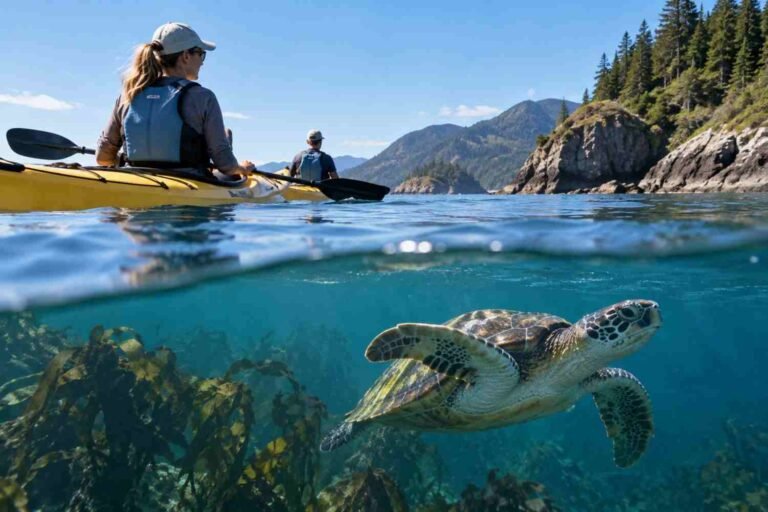
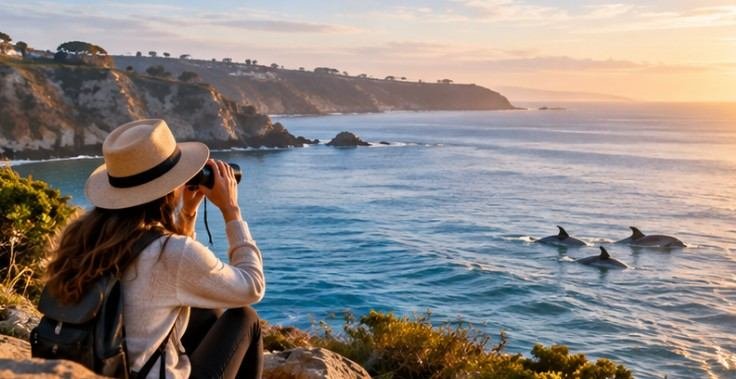
I used to think a good marine wildlife trip was mostly about what I could see: a turtle surfacing, dolphins cutting through the wake, or a reef packed with color. The more I learned about wildlife encounters, though, the more I noticed a different question underneath the excitement: what does my presence change? A memorable […]
I started looking at wildlife trips differently after noticing how much of the experience depends on people who live near protected areas. The money behind the trip can influence whether a community sees living wildlife as an opportunity worth protecting. I also noticed that the phrase “responsible tourism” can sound broader than it really is. […]
I have always found wildlife easiest to understand by watching what animals do rather than simply where they live. A bird arriving earlier, a herd lingering on a seasonal range, or a predator appearing near a neighborhood can look isolated. Repeated patterns reveal something. Climate change is altering the temperature, precipitation, snow, vegetation, and water […]