Three days sounds short, but it is long enough to have a genuine outdoor adventure—and also short enough to ruin by spending half the trip driving between destinations.
The best 3 day adventure trips are built around one geographic hub, one major activity, and enough flexibility for weather, fatigue, or trail closures. Instead of trying to “see everything,” a well-designed long weekend might mean hiking Yosemite Valley, exploring Sedona’s red-rock country, or spending three active days around one Southern Utah park.
The secret is not squeezing more into 72 hours. It is choosing an adventure that wastes less of them.
Three Days Is a Surprisingly Useful Adventure Window
A three-day trip sits between a day hike and a full outdoor vacation. You have enough time to attempt a substantial hike, paddle a river or lake, camp overnight, or explore several trails without committing an entire week.
Guided trips have recognized this niche. As of September 2026, an REI Co-op listing operated with Intrepid Travel offers a three-day Sedona Red Rock Hiking itinerary starting at about $1,496 for members, with logistics, meals, camping, and guided hikes packaged together.
Self-guided travelers can spend considerably less, but they assume responsibility for route planning, transportation, permits, weather decisions, food, equipment, and emergencies. That difference matters more on short sustainable trips and hiking because there is little time to recover from poor planning.
Where 3 Day Adventure Trips Work Especially Well
The strongest destinations combine multiple outdoor experiences within a relatively compact area.
| Destination | Best adventure style | Smart three-day approach |
| Yosemite, California | Hiking, waterfalls, viewpoints | Base near Yosemite Valley and explore one section each day |
| Sedona, Arizona | Desert hiking, scrambling, scenic drives | Mix a demanding morning hike with easier afternoon exploration |
| Zion, Utah | Canyon hiking, river hiking | Stay near Springdale and focus entirely on Zion |
| Grand Canyon, Arizona | Rim hiking, desert trekking | Combine rim trails with carefully selected below-rim hikes |
| Southern Utah | Hiking, paddling, multi-sport travel | Choose one regional base rather than rushing between several parks |
Yosemite: Big Scenery Without Constant Relocation
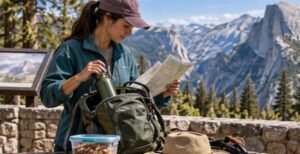
Yosemite works particularly well for a three-day escape because waterfalls, granite walls, forests, and viewpoints can all be experienced from a relatively concentrated base.
A practical itinerary might use the first day for Yosemite Valley, the second for a longer trail, and the third for a scenic overlook or easier morning hike before departure.
The National Park Service advises wilderness travelers to leave an itinerary with someone, remain on established trails, keep groups together at junctions, and carry extra food, water, rain gear, and warm clothing. Read more on Yosemite wilderness safety guidance.
Sedona: Excellent for an Active Long Weekend

Sedona’s advantage is variety without extreme driving. Red-rock trails, canyon routes, scenic overlooks, and short scrambling experiences can be combined while returning to the same lodging or campground each night.
Boynton Canyon and the Cathedral Rock area are well-known options, but the better strategy is to select hikes based on temperature, elevation gain, and your group’s abilities rather than reputation alone.
In hotter months, hiking early is especially important.
Southern Utah: Pick One Base, Not Every Park
Utah creates an unusual planning problem: too many spectacular places appear close together on a map.
Trying to squeeze Zion, Bryce Canyon, Capitol Reef, Canyonlands, and Arches into one long weekend turns an adventure into a highway tour. For three days, I would choose one major park or one compact regional cluster.
Zion is particularly suitable because hikers can combine conventional trails with the Virgin River Narrows. The bottom-up Narrows route does not require a wilderness permit, although conditions can change because of high water and flash-flood hazards. Angels Landing, by contrast, requires a permit beyond Scout Lookout.
Use the Three-Day Adventure Test Before Booking
A beautiful destination is not automatically a good short trip. I use four questions to judge whether an itinerary makes sense.

1. How Much Time Disappears Into Transportation?
Calculate the entire door-to-trail time, not simply the flight duration. Include airport transfers, rental-car pickup, grocery stops, parking, shuttle waits, trailhead drives, and the return journey. If reaching the adventure consumes most of Day 1 and leaving consumes Day 3, you essentially booked a one-day trip.
2. Can Your Group Actually Handle the Hardest Day?
Look beyond mileage.
Eight miles on a flat coastal trail can feel completely different from eight miles involving 3,000 feet of elevation gain, loose rock, heat, altitude, river crossings, or a heavy backpack.
The USDA Forest Service specifically recommends choosing trails appropriate for your experience and ability and researching conditions before departure.
3. What Happens If Weather Cancels the Main Activity?
Every three-day or three- week train trip itinerary needs a Plan B.
This is particularly important in desert canyons and mountain environments. The National Weather Service warns outdoor travelers to prepare for hazards including flash flooding, excessive heat, and lightning. Hearing thunder means hikers should seek substantial shelter rather than remaining on exposed ridges.
Build at least one flexible activity—such as a scenic drive, visitor-center stop, lower-elevation trail, or short nature walk—into the itinerary.
4. Are You Trying to Make Every Day Difficult?
Don’t.
A better pattern is moderate-hard-easy.
Use Day 1 to arrive, orient yourself, and complete a manageable activity. Make Day 2 the main adventure. Keep Day 3 shorter so exhaustion, packing, and travel deadlines do not turn the final hours into a race.
A Simple Three-Day Adventure Formula
For most travelers, I would structure the trip this way.
Day 1: Arrive early enough for a two- to four-hour activity. Check local conditions, obtain permits, organize equipment, and learn the area’s transportation system.
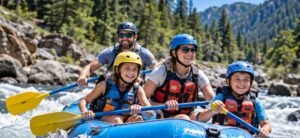
Day 2: Schedule the signature experience: your longest hike, rafting run, kayaking route, climbing session, or guided excursion.
Day 3: Choose a shorter trail or scenic activity with a predictable finish time, then begin the trip home.
This sequence creates something many overloaded itineraries lack: margin.
What Belongs in Your Pack Even on a Short Trip?
A long weekend can create false confidence because civilization may appear close.
American Hiking Society recommends carrying the Ten Essentials, including navigation, appropriate footwear, water and a treatment method, extra food, layers, first aid, lighting, sun protection, emergency shelter, and safety equipment.
Grand Canyon offers a useful warning about underestimating outdoor trips. The National Park Service reports more than 300 rescues from the canyon annually and specifically advises against hiking from the rim to the river and back in one day, particularly during hotter months.
Short vacation does not mean short consequences.
Adventure Without Damaging the Place You Came to See

Compact trips can encourage rushed behavior: shortcuts, illegal parking, abandoned food waste, or off-trail scrambling to reach a viewpoint faster.
Leave No Trace recommends planning ahead, remaining on durable surfaces, packing out waste, respecting wildlife, minimizing fire impacts in the wild, and leaving natural objects where they belong.
Following these principles also tends to improve the trip. Good environmental planning and good logistical planning usually overlap.
Guided or Self-Guided: Which Makes More Sense?
Guided adventures can be worth considering when the activity requires specialized equipment, local route knowledge, shuttles, technical skills, or complicated logistics.
They are particularly useful for rafting, canyoneering, technical climbing, multi-sport itineraries, and travelers visiting unfamiliar terrain.
Self-guided trips make more sense when trails are straightforward, transportation is simple, and everyone in the group is comfortable navigating changing outdoor conditions.
The common misconception is that guided means adventurous while self-guided means easy. Either style can range from relaxed to extremely demanding.
Frequently Asked Questions
1. What are the best 3 day adventure trips for beginners?
Choose destinations with several trail difficulties and easy access to lodging, such as Yosemite Valley, Sedona, or Zion. Avoid making a technical route your first major outdoor experience.
2. Is three days enough for a national park trip?
Yes, if you focus on one park or compact area. Three days becomes restrictive when several distant parks, hotels, and long drives are added.
3. How difficult should the main adventure be?
Choose a route everyone in the group can complete comfortably. Consider distance, elevation gain, heat, altitude, terrain, pack weight, and previous experience—not mileage alone.
4. Is a guided three-day adventure worth the cost?
It can be when permits, specialized equipment, transportation, meals, or technical expertise are involved. Experienced travelers may prefer self-guided trips for simpler hiking destinations.
Make 72 Hours Feel Bigger
The greatest mistake with a three-day escape is treating limited time as a reason to move faster.
I would do the opposite. Pick one remarkable landscape, establish one base, build the trip around one unforgettable activity, and leave enough room for weather and tired legs. Three carefully planned days in Yosemite, Sedona, Zion, or another outdoor hub can feel far more satisfying than racing through five destinations.
A long weekend does not need a long itinerary. It needs a good one.