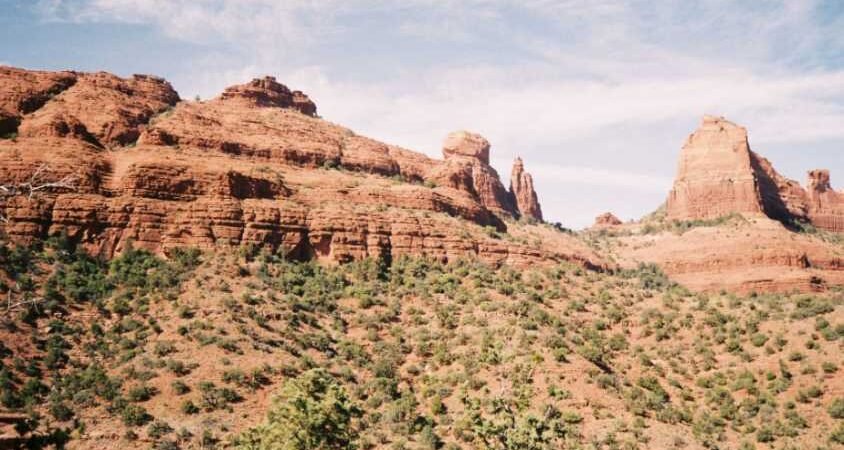
New Mexico tells its Indigenous story through places that are still alive with culture, memory, art, and tradition. When I explore native american cultural sites in New Mexico, I am not simply looking at ancient structures or museum displays. I am encountering living Pueblo communities, centuries-old architecture, ancestral landscapes, petroglyphs, and cultural institutions shaped by people whose traditions continue today.
With 19 Pueblos, Apache communities, and the Navajo Nation contributing to the state’s cultural identity, a thoughtful trip can reveal a side of New Mexico that goes far deeper than its famous desert scenery.
Which Native American Sites in New Mexico Are Best for First-Time Visitors?
Taos Pueblo
Taos Pueblo is both a living Indigenous community and a UNESCO World Heritage Site. Its multi-story adobe buildings have been continuously inhabited for more than 1,000 years. Visitors should remember that this is a home, not an open-air museum. Hours can change for religious activities or community needs, and photography rules apply.
Acoma Pueblo and Sky City
Acoma Pueblo, often called Sky City, rises on a sandstone mesa west of Albuquerque. The Sky City Cultural Center and Haak’u Museum introduce Acoma history, art, and contemporary life. A guided tour is required to visit the Pueblo, and photography restrictions apply.
Zuni Pueblo
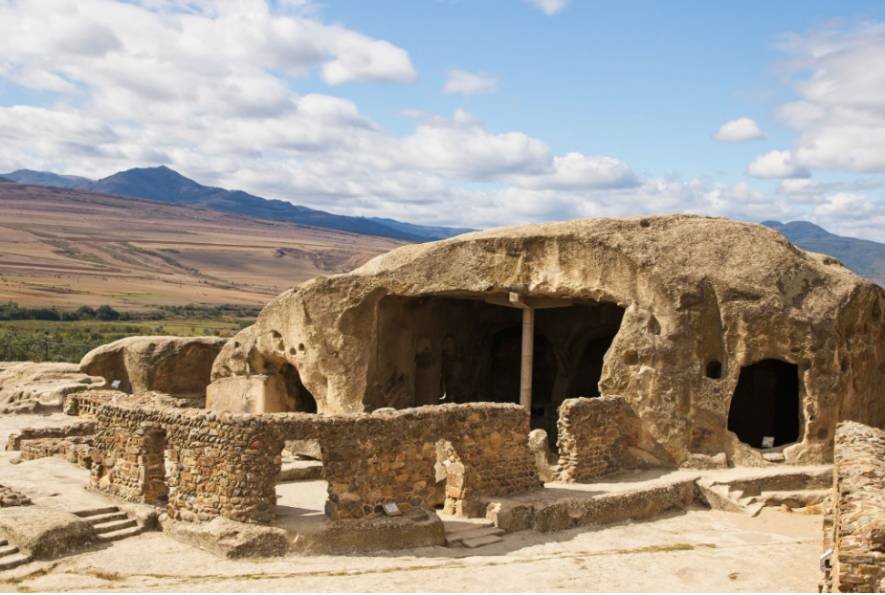
Western New Mexico’s Zuni Pueblo is the largest of the state’s 19 Pueblos and a major center for Native art. Zuni artists are especially known for inlay jewelry, stone carving, silverwork, and pottery. I would include Zuni on a northwest New Mexico itinerary for its contemporary Pueblo creativity and cultural continuity.
Where Can You Explore Ancestral Pueblo History?
Chaco Culture National Historical Park
Chaco Canyon is essential for understanding Ancestral Pueblo society in the Southwest. From roughly 850 to 1250 CE, it developed into a major regional center with monumental great houses, roads, kivas, petroglyphs, and long-distance trade. Pueblo Bonito is the best-known great house, but the wider landscape also remains culturally important to modern Pueblo tribes and the Navajo Nation.
Bandelier National Monument
Near Los Alamos, Bandelier combines hiking with Indigenous history. Ancestral Pueblo people lived here from about 1150 to 1550 CE, building masonry homes and carving rooms into volcanic tuff in Frijoles Canyon. The National Park Service notes continuing connections with present-day Pueblo people, including Cochiti and San Ildefonso.
Aztec Ruins National Monument
Despite the name, Aztec Ruins was built by Ancestral Pueblo people, not the Aztec civilization of Mexico. The site preserves the largest known Ancestral Pueblo community in the Animas River Valley and includes a reconstructed Great Kiva.
Where Can You See Petroglyphs and Pueblo Culture Near Albuquerque?
Petroglyph National Monument
Petroglyph National Monument protects more than 25,000 estimated petroglyph images along Albuquerque’s volcanic escarpment. The National Park Service says about 90 percent were created by ancestors of today’s Pueblo people. Trails at Boca Negra Canyon, Rinconada Canyon, and Piedras Marcadas let visitors see carvings in their original landscape.
Indian Pueblo Cultural Center
For travelers new to Pueblo history, I consider the Indian Pueblo Cultural Center one of the smartest first stops. Owned by New Mexico’s 19 Pueblos, it connects museum exhibitions with contemporary art, food, cultural programming, and Pueblo perspectives.
Which Lesser-Known Cultural Sites Deserve More Attention?
Puye Cliff Dwellings
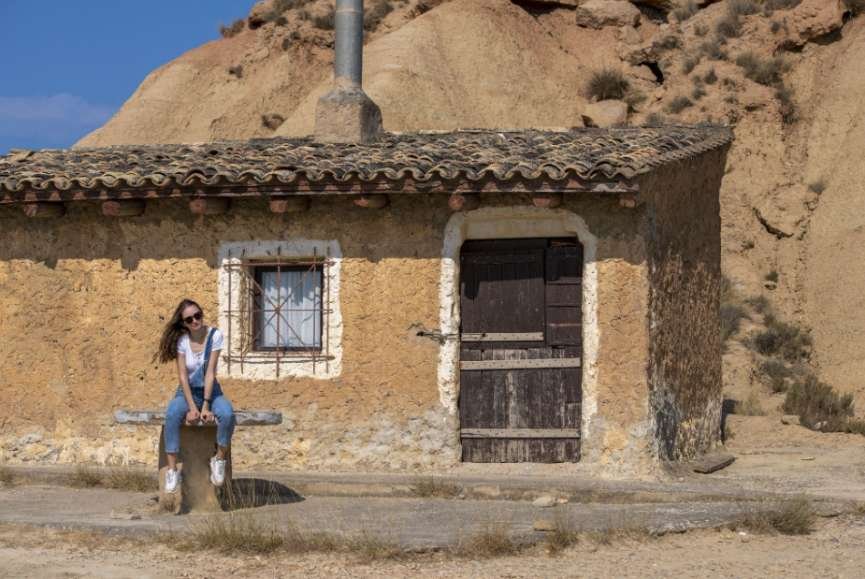
Puye Cliff Dwellings sits on the ancestral land of Santa Clara Pueblo. Guided visits are especially valuable because site staff and guides have direct connections to the people who once lived there. The cliff dwellings and mesa-top settlement offer a Native-led perspective on ancestral Pueblo history.
Jemez Historic Site
Jemez Historic Site preserves Gisewa Pueblo and the remains of San José de los Jémez Mission. It helps visitors understand Pueblo history alongside Spanish colonization and missionization, and it fits naturally into a northern New Mexico road trip.
How Should You Visit New Mexico Pueblos Respectfully?
When I compare native american cultural sites in New Mexico, I separate publicly managed archaeological parks from living sovereign Tribal communities. Pueblo homes are private, ceremonies are religious observances, and kivas, cemeteries, ceremonial rooms, and other spaces may be restricted.
Respectful travel does not have to mean expensive travel, and choosing budget-friendly alternative destinations to popular tourist spots can sometimes make it easier to spend more time with local communities and cultural sites.
Call ahead before visiting Tribal lands, follow posted rules, stay with Tribal guides when required, and never assume photography or recording is allowed. Some communities require permits, while others prohibit photography in specific places or during ceremonies.
How Can You Plan a Native American Heritage Road Trip?
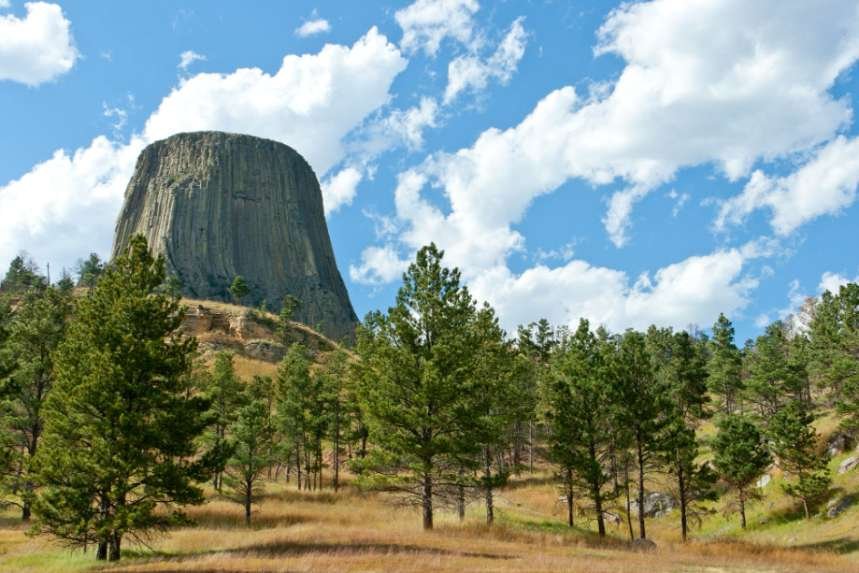
For a first trip, I would start in Albuquerque with the Indian Pueblo Cultural Center and Petroglyph National Monument. From there, Acoma and Zuni work well on a western route. Northern New Mexico can connect Jemez, Bandelier, Puye, and Taos, while Chaco and Aztec Ruins make a strong northwest itinerary.
If you want to extend the trip beyond New Mexico, exploring native american cultural sites in Arizona can add another layer of Southwest Indigenous history, art, and cultural heritage to the itinerary.
A slower route leaves more time for guided tours, museums, local art, and the landscapes that give these places context.
Frequently Asked Questions
1. What are the best Native American cultural places in New Mexico for a first trip?
The best native american cultural sites in New Mexico for first-time visitors include Taos Pueblo, Acoma Pueblo, Chaco Culture National Historical Park, Bandelier National Monument, Petroglyph National Monument, and the Indian Pueblo Cultural Center.
2. Can tourists visit Pueblo communities in New Mexico?
Many Pueblo communities welcome visitors at certain times, but each sovereign community sets its own rules. Closures may happen for ceremonies, weather, or community events, so always verify access before traveling.
3. Is photography allowed at Pueblo sites?
Rules vary by community. Permits may be required, and photography can be prohibited around ceremonies, churches, cemeteries, private homes, or tribal members.
Final Thoughts
What makes New Mexico special to me is the connection between ancient places and living communities. Taos, Acoma, and Zuni show that Pueblo culture is contemporary as well as historic, while Chaco, Bandelier, Aztec Ruins, Puye, and Petroglyph National Monument reveal older layers of the same regional story.
The most rewarding trip leaves enough time to listen to Native voices, follow community rules, and recognize that Indigenous heritage in New Mexico remains active and deeply connected to place.