I started noticing wildlife differently when seasonal patterns stopped feeling predictable. Birds appeared at different times, insects seemed to linger longer, and animals showed up in places where I had not expected them. Those changes made me realize that wildlife is not waiting for ecosystems to return to normal. Animals are responding in real time, sometimes through behavior and movement, and sometimes through changes that can take generations.
I also found that adaptation is more complicated than the idea of an animal becoming “better suited” to its surroundings. A species may change when it feeds, moves toward cooler habitat, alters its breeding schedule, or gradually develops physical traits that improve heat management. Each response can affect other species, which means wildlife adapting to changing ecosystems can reshape the ecosystems themselves.
What Adaptation Looks Like in the Wild
Wildlife can respond to environmental pressure. Behavioral flexibility often happens first because animals can change routines without waiting for genetic evolution. A mammal may become more active at night during hotter periods. A bird may shift its migration timing. A predator may search for different prey when food becomes scarce.
When Wildlife Moves to Find Suitable Habitat
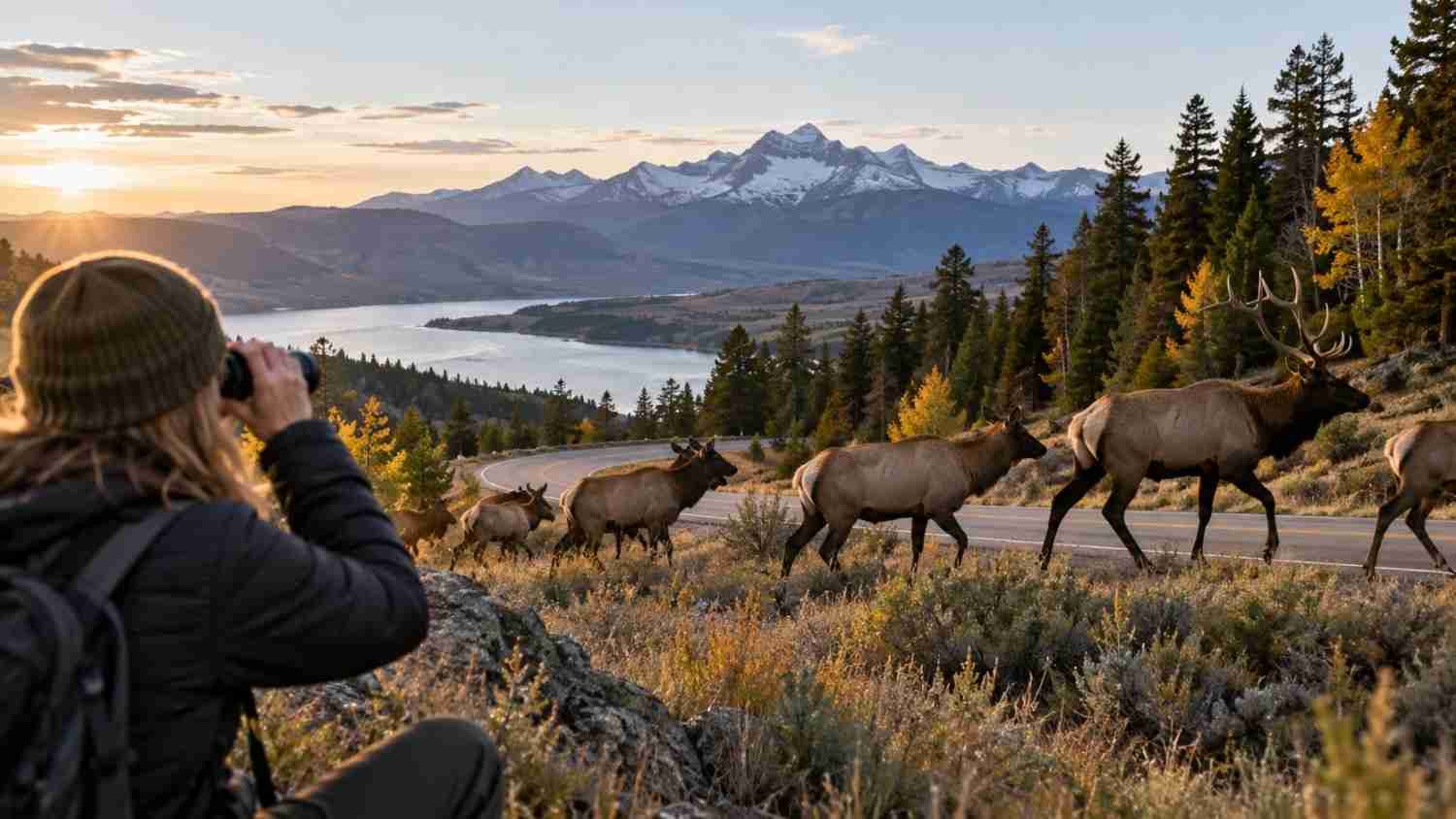
One of the clearest responses is movement. As temperatures rise, many species shift toward cooler latitudes, higher elevations, or habitats with suitable moisture and food conditions. Marine animals can also move through changing ocean temperatures and currents.
Movement sounds straightforward until landscapes become fragmented. Roads, farms, cities, fences, and other barriers can prevent animals from reaching the places where conditions are becoming more favorable. A species may recognize that its current habitat is becoming unsuitable yet have nowhere safe to go.
That is why protecting wildlife without displacing communities requires more than setting aside isolated protected areas. Conservation can work with landowners and local communities to maintain connected habitat, restore degraded areas, protect migration routes, and keep working landscapes usable for wildlife.
Changing Seasons Can Create New Problems
Temperature changes also affect timing. Plants may flower earlier, insects may emerge sooner, and birds may adjust migration or breeding schedules. When connected species respond at different speeds, a seasonal mismatch can develop.
Consider a bird whose chicks depend on a seasonal insect peak. If warming causes insects to emerge earlier while the bird’s breeding cycle changes more slowly, the food supply may be abundant before the chicks need it. The problem is not a lack of adaptation altogether. It is that adaptation across an ecosystem does not happen on one shared timetable.
Behavior Can Change What an Ecosystem Does
A predator that switches prey may increase pressure on one population while reducing pressure on another. Herbivores that move into new areas can alter vegetation. Changes in animal body shape can even influence how effectively a species feeds, producing effects that reach plants and other parts of the food web.
Why Some Species Struggle to Keep Up
Not every species has the flexibility to respond quickly. Animals with specialized diets, narrow habitat requirements, slow reproductive rates, limited mobility, or small populations may have fewer options.
Genetic diversity matters because evolutionary adaptation depends on heritable variation. Behavioral flexibility can buy time, but it cannot solve every problem. If temperatures, rainfall, fire patterns, or habitat conditions change faster than populations can respond, local declines may follow. Research on fire-adapted wildlife likewise shows that some traits can help animals cope while still leaving populations vulnerable when environmental pressures intensify.
Human pressures can make that problem harder. Habitat fragmentation, pollution, overharvesting, invasive species, and disease can reduce resilience before climate-related stress arrives. Removing those pressures can give wildlife more room to adjust.
Healthy Ecosystems Give Wildlife More Options
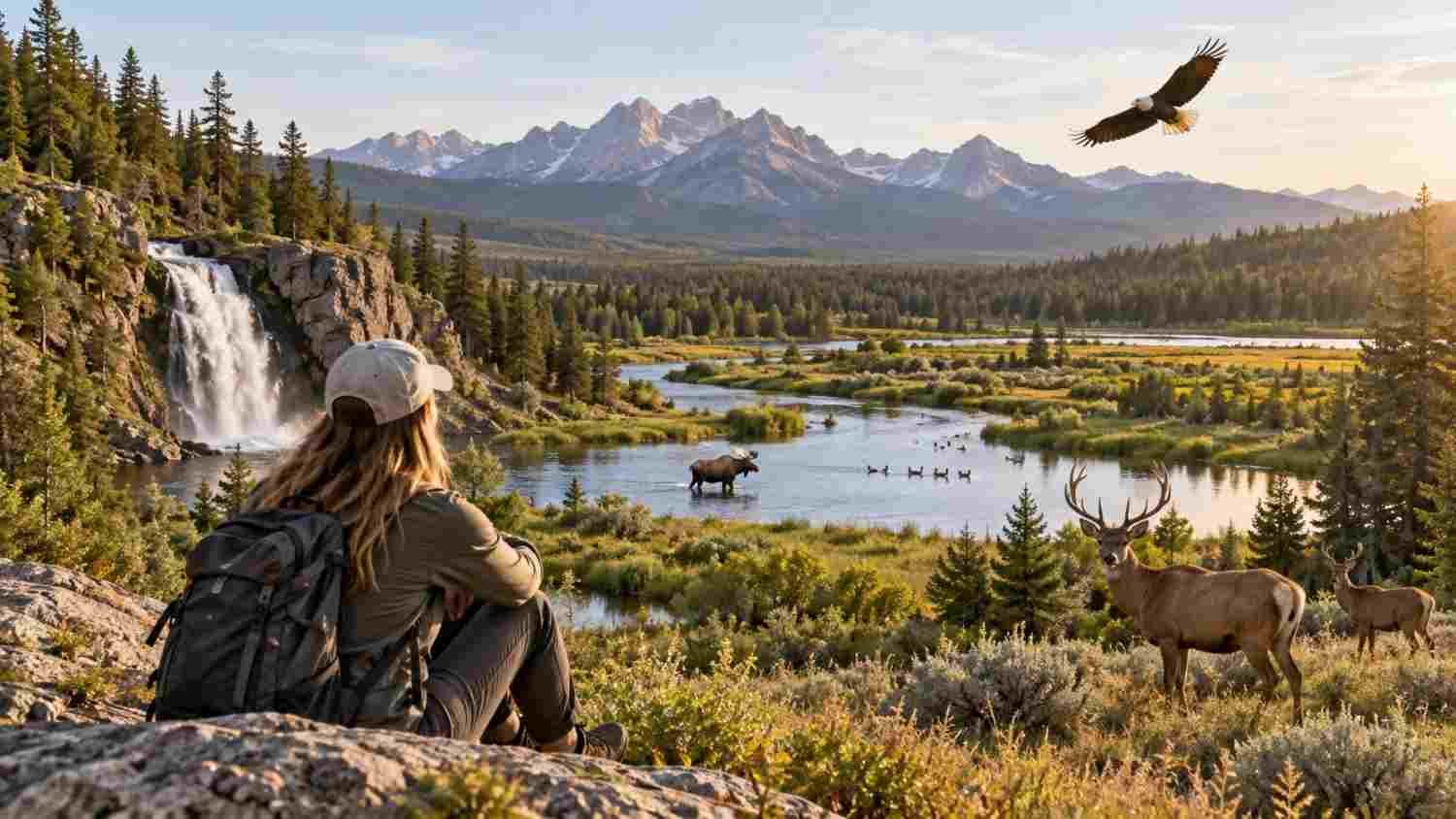
A resilient ecosystem offers animals choices. Shade, wetlands, native vegetation, diverse food sources, nesting sites, and connected habitat can create small areas where wildlife can avoid heat or find resources during difficult periods.
That is where how healthy ecosystems support wildlife becomes especially relevant. Biodiversity creates relationships and resources that help species respond when conditions shift. Protecting habitat diversity can therefore support adaptation without assuming that every species will respond in the same way.
Wildlife corridors are useful because they allow movement between suitable areas. Restored rivers, forest connections, coastal habitats, and permeable agricultural landscapes can help populations track changing conditions while maintaining access to food, shelter, and breeding sites. Wildlife management research similarly emphasizes habitat-focused and population-focused adaptation actions that can be applied to changing conditions.
Adaptation Has Real Limits
Adaptation should not be confused with guaranteed survival. Some populations may adjust successfully, while others decline or disappear from places where they once lived. Even adaptable species can face combinations of heat, drought, habitat loss, disease, and food shortages that exceed their capacity.
Conservation therefore has two jobs: reduce pressures that make adaptation harder and preserve enough connected habitat for wildlife to respond naturally. That approach is more realistic than expecting animals to solve environmental change on their own.
Why Adaptable Nature Still Needs Room
Wildlife has always responded to changing conditions, but ecosystems are being altered across multiple dimensions. Animals are changing behavior, shifting ranges, adjusting timing, and sometimes evolving physical traits. Those responses can influence plants, predators, prey, competitors, and food webs.
The lesson is not that nature will simply adapt and carry on. It is that wildlife needs space, diversity, connectivity, and time to respond. Giving ecosystems those advantages can make the difference between a population finding a new way forward and losing its place entirely. That room often becomes the foundation of long-term resilience.
FAQs: How Wildlife Adapting to Changing Ecosystems Is Reshaping Nature
1. How do animals adapt to changing ecosystems?
Animals may change behavior, movement, feeding patterns, seasonal timing, physiology, or physical traits. The response depends on the species, its habitat, available resources, and the speed of environmental change.
2. Do all species adapt to climate change?
No. Adaptive capacity varies. Species with flexible behavior, broad diets, larger populations, or greater mobility may have more options, while highly specialized species can face greater constraints. Some populations may decline even when individuals show flexibility.
3. Why do wildlife range shifts matter?
Range shifts can change food webs and species interactions. When animals arrive in new areas or disappear from former habitats, predators, prey, competitors, and plants can experience new pressures. These changes can also affect conservation priorities and land management.
4. How can conservation help wildlife adapt?
Protecting connected habitats, restoring degraded ecosystems, preserving refugia, and reducing other pressures can give wildlife more opportunities to move, find resources, and adjust as conditions change. Conservation works best when habitat protection also considers ecological processes and community needs.