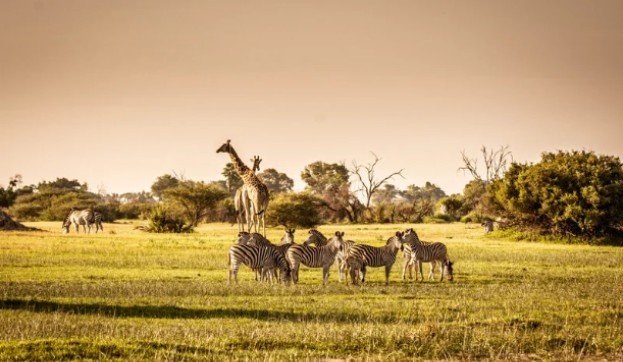
I used to think that visiting a protected landscape automatically supported the animals living there. After looking more closely at how tourism affects endangered wildlife, I realized the outcome depends on how destinations, operators and travelers behave.
Tourism can finance conservation and support communities, but unmanaged crowds, construction, noise and close encounters can place already vulnerable species under additional pressure.
Why Are Endangered Animals Especially Vulnerable?
Endangered species usually have small populations, restricted habitats or slow reproductive rates. Some survive only in isolated forests, nesting beaches, wetlands or marine feeding areas. When tourism disrupts one of these critical places, the animals may have nowhere else to go.
A common species can sometimes recover from a temporary disturbance. A population containing only a few hundred animals may not recover as easily. Losing even a small number of breeding adults, nesting sites or feeding opportunities can affect the survival of the entire population.
Understanding how climate change is affecting popular destinations also requires recognizing how tourism combines with existing threats such as habitat destruction, pollution, invasive species, and animal poaching. A visitor who approaches an animal may create only a brief disturbance, but thousands of similar encounters can produce a serious cumulative effect.
How Does Tourism Put Endangered Wildlife at Risk?
Habitat Loss and Fragmentation
Tourism requires accommodation, roads, airports, restaurants, trails and other infrastructure. Building these facilities near protected areas can remove vegetation and divide continuous habitats into isolated sections.
Fragmentation may prevent animals from reaching food, water, mates or seasonal migration routes. Roads also increase the likelihood of vehicle collisions and give people easier access to previously remote habitats.
Coastal development presents an additional problem. Resorts, parking areas and recreational facilities can replace dunes, mangroves and nesting beaches used by turtles, birds and other threatened wildlife.
Stress and Changes in Natural Behavior
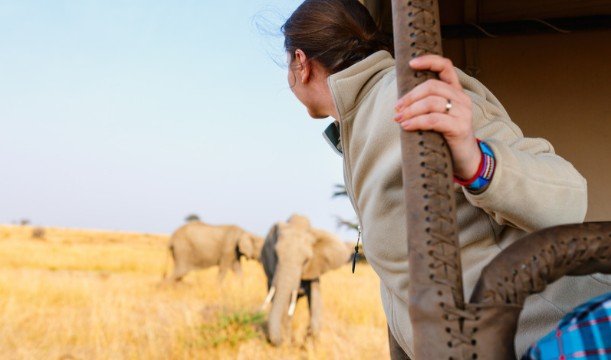
Animals do not need to be touched to be disturbed. Human voices, camera flashes, engines, boats and sudden movements may cause them to hide, flee or remain constantly alert.
When animals spend more time watching visitors, they may spend less time feeding, resting or caring for young. Repeated disruption can create an energy deficit, particularly during migration, pregnancy, winter or food shortages.
Some animals begin avoiding their preferred habitat because visitors are regularly present. Others shift their activity into nighttime hours, potentially changing their ability to find food or avoid predators.
Disrupted Breeding and Parental Care
Nesting and breeding periods are especially sensitive. Tourists who approach nests, dens or nursery areas may cause adults to retreat. Eggs and young animals can consequently be left exposed to predators, heat or cold.
Crowds may also interrupt courtship, mating and communication. For an endangered population that produces few offspring, repeated breeding failures can accelerate decline even when no animals are directly killed.
Seasonal closures and buffer zones are therefore important. They give wildlife uninterrupted access to critical habitat during the most vulnerable stages of its life cycle.
Feeding and Habituation
Feeding a wild animal may appear harmless, but it can change the animal’s diet and behavior. Wildlife that associates people with food may approach roads, boats, campsites or settlements more frequently.
This increases the risk of collisions at sea, disease and conflict. Animals may also become aggressive when food is unavailable. In many destinations, habituated animals are relocated or killed after being classified as dangerous.
Artificial feeding can affect the wider ecosystem as well. It may allow one species to multiply beyond the habitat’s natural capacity, attract predators or spread illness among animals gathered in one location.
Noise, Artificial Light and Drones
Boat engines, safari vehicles, aircraft and crowded trails can interfere with animal communication and movement. Underwater noise can disturb marine mammals that depend on sound for navigation, feeding and social contact.
Artificial lighting around beaches and resorts can disrupt nocturnal animals. Sea turtle hatchlings, for example, may move toward buildings instead of the ocean when artificial lights overpower natural horizon cues.
Drones introduce another source of disturbance. Their noise and movement may resemble a predator, causing birds to leave nests or mammals to flee. A dramatic photograph is never worth forcing an animal to waste energy or abandon its young.
Pollution and Physical Damage
Tourism creates sewage, plastic waste, food scraps and chemical pollution. Wildlife may swallow plastic, become trapped in discarded materials or consume contaminated food and water.
Boats can strike whales, turtles and other marine animals. Anchors and careless diving can damage coral habitats, while hikers leaving designated trails may crush delicate vegetation or nests. These impacts can continue long after visitors leave.
Disease Transmission
Close encounters can transmit disease between humans and wildlife. Primates are particularly vulnerable because they can contract several human respiratory illnesses.
Handling frogs, reptiles or other small animals can also spread pathogens between habitats. Responsible operators maintain viewing distances, limit group sizes and apply hygiene rules when disease transmission is possible.
Captive Attractions and Illegal Trade
Wildlife rides, performances, petting sessions and staged photographs often hide serious welfare problems. Animals may be captured from the wild, separated from their mothers or trained through punishment.
Demand for close-contact entertainment can also encourage illegal wildlife trafficking. An attraction calling itself a rescue center or sanctuary is not necessarily ethical. Genuine sanctuaries prioritize animal welfare and do not breed, sell, force performances or guarantee physical contact.
Can Tourism Help Protect Threatened Species?
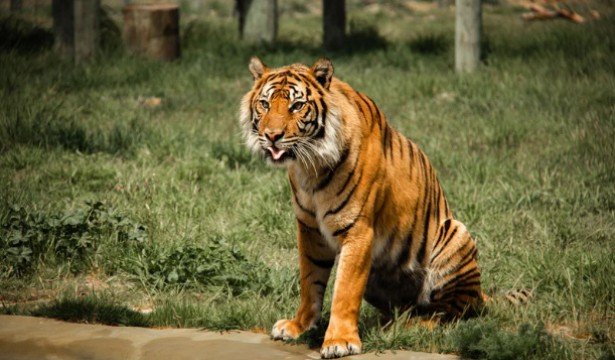
Tourism can become a conservation tool when carefully managed. Park fees, permits and tour income can finance rangers, habitat restoration, wildlife monitoring and anti-poaching programs.
Community-owned tourism can provide income that does not depend on logging, hunting or wildlife trading. Local guides, accommodation owners, drivers and conservation workers then gain a direct economic reason to protect natural habitats.
However, revenue alone does not prove that an activity is sustainable. Destinations need visitor limits, scientifically determined viewing distances, seasonal restrictions, trained guides and transparent systems showing where conservation fees go.
How Can Travelers Reduce Their Impact?
Travelers should choose operators that observe animals in natural surroundings without promising touching, feeding or guaranteed close encounters. Smaller groups generally create less noise and are easier to control.
Visitors should remain on marked trails, follow local regulations and keep the distance recommended by guides. Flash photography, drones and loud behavior should be avoided around sensitive species.
It is also important to reduce waste, avoid buying wildlife products and report attractions that appear to mistreat animals. Supporting locally owned businesses can help ensure tourism revenue stays within communities responsible for protecting the habitat.
Frequently Asked Questions
1. How does tourism affect endangered wildlife?
How tourism affects endangered wildlife depends on visitor numbers, infrastructure and management. Uncontrolled tourism can cause habitat loss, stress, disrupted breeding, pollution and disease, while responsible tourism can fund conservation and sustainable community livelihoods.
2. Is ecotourism always beneficial?
No. An activity may be marketed as ecotourism while still disturbing animals or damaging habitat. Its actual effect depends on evidence-based rules, visitor limits, animal welfare standards and community participation.
3. Why should travelers avoid feeding wild animals?
Feeding changes natural behavior, encourages animals to approach people and increases disease and conflict risks. It can also disrupt diets and wider ecological relationships.
4. What makes a wildlife tour ethical?
An ethical tour maintains safe distances, uses trained guides, avoids physical contact, limits group sizes and contributes transparently to conservation or local communities.
A More Thoughtful Way Forward
I believe wildlife travel can inspire people to care deeply about animals they might otherwise never encounter. Yet that experience must take place on the animal’s terms. The goal should be to observe natural behavior, not force a closer photograph or dramatic interaction.
When destinations establish ecological limits and travelers respect them, tourism can support habitat protection and community livelihoods. Our choices determine whether a visit becomes another threat or a genuine contribution to the survival of vulnerable wildlife.