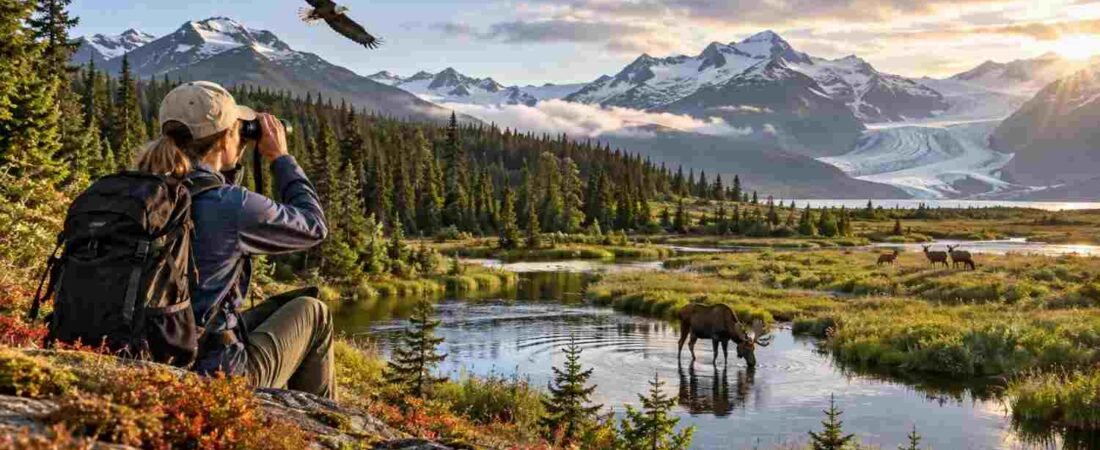
I used to think wildlife conservation was mostly about protecting animals from direct threats. The more I learned about habitats, the more I noticed how deeply animals depend on functioning forests, wetlands, grasslands, rivers, and coastal systems. Healthy systems provide food, water, shelter, breeding areas, and ecological relationships that make survival possible.
I also started noticing why climate change makes ecosystem health even more important. A hotter summer, a longer drought, a stronger storm, or a shift in seasonal rainfall can change conditions quickly. Wildlife cannot always move, adapt, or find new resources overnight. Healthy ecosystems can give species some room to respond, while degraded habitats can leave them exposed when familiar conditions disappear.
What Makes an Ecosystem Healthy?
A healthy ecosystem is not simply a landscape that looks green or untouched. It is a functioning network in which plants, animals, fungi, microorganisms, soil, water, and climate interact in ways that keep essential ecological processes moving.
That includes nutrient cycling, pollination, decomposition, water regulation, seed dispersal, predation, and natural regeneration. When these relationships work together, wildlife benefits from a more dependable supply of resources. Native plants can provide food and cover, insects can support birds and other animals, and predators can help keep prey populations within ecological limits.
Health also depends on resilience. An ecosystem that can recover without losing basic functions gives wildlife a stronger foundation when conditions become unpredictable.
How Healthy Ecosystems Support Wildlife
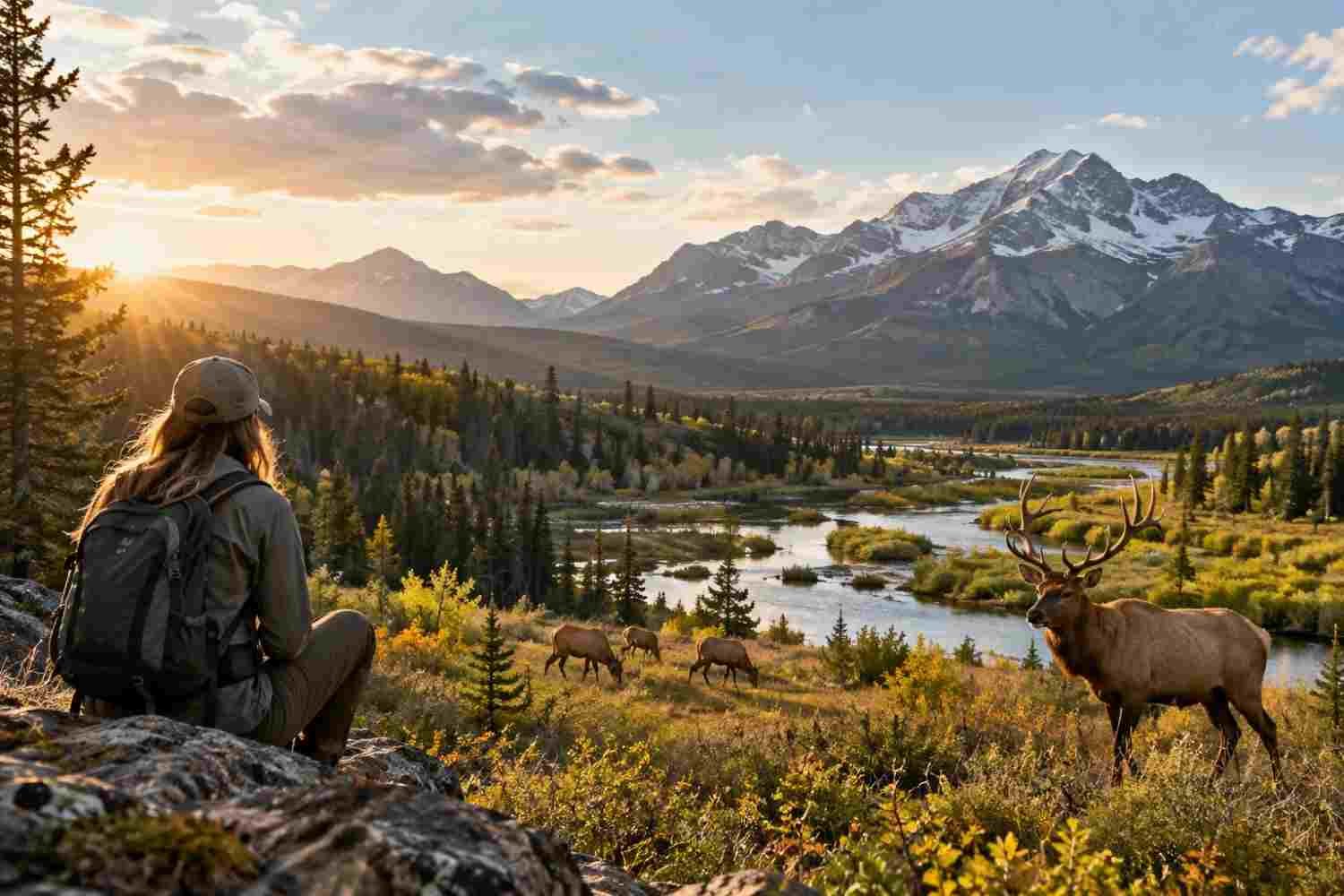
Wildlife needs the basics to survive, but those basics are closely connected. Food is less useful if animals cannot reach it. Water matters less if nearby shelter has disappeared. A breeding site cannot support a population if young animals cannot safely move through the surrounding landscape.
Healthy habitats create this combination of resources across seasons and increasingly unpredictable environmental conditions. Forest canopies can moderate local temperatures, wetlands can hold and filter water, grasslands can provide seeds and insects, and coastal habitats can offer nursery areas for marine species.
Diverse food webs add another layer of protection. Pollinators, decomposers, herbivores, predators, and scavengers all contribute to the movement of energy and nutrients. If one species declines, a diverse ecosystem may have other organisms capable of maintaining some of the same ecological functions.
Habitat Connectivity Gives Wildlife Options
Climate change can shift where suitable habitat exists. A species may need to move toward cooler elevations, wetter areas, different seasonal ranges, or remaining patches of suitable vegetation.
Connected landscapes make those movements more realistic. Wildlife corridors, river systems, forest connections, and other continuous habitat can link feeding, nesting, breeding, and shelter areas. Fragmentation creates a different problem: roads, development, fences, and isolated habitat patches can make movement harder or increase exposure to people and vehicles.
Connectivity does not guarantee that every species will adapt successfully. It preserves options that isolated habitats can take away.
Wildlife Helps Keep Ecosystems Working
The relationship runs in both directions. Wildlife does not simply receive benefits from healthy ecosystems; many animals actively maintain them.
Seed-dispersing animals can help forests regenerate by carrying seeds into new areas. Predators can influence prey behavior and abundance, sometimes preventing excessive pressure on vegetation. Sea otters, for example, can help maintain kelp forests by controlling sea urchins. Large herbivores can alter vegetation and soil conditions, while whales contribute nutrients that support marine food webs.
Protecting wildlife populations can therefore support ecological processes that help ecosystems capture and retain carbon. This creates a useful feedback loop: functioning ecosystems support wildlife, and wildlife can help sustain functioning ecosystems.
Restoration Can Build Climate Resilience
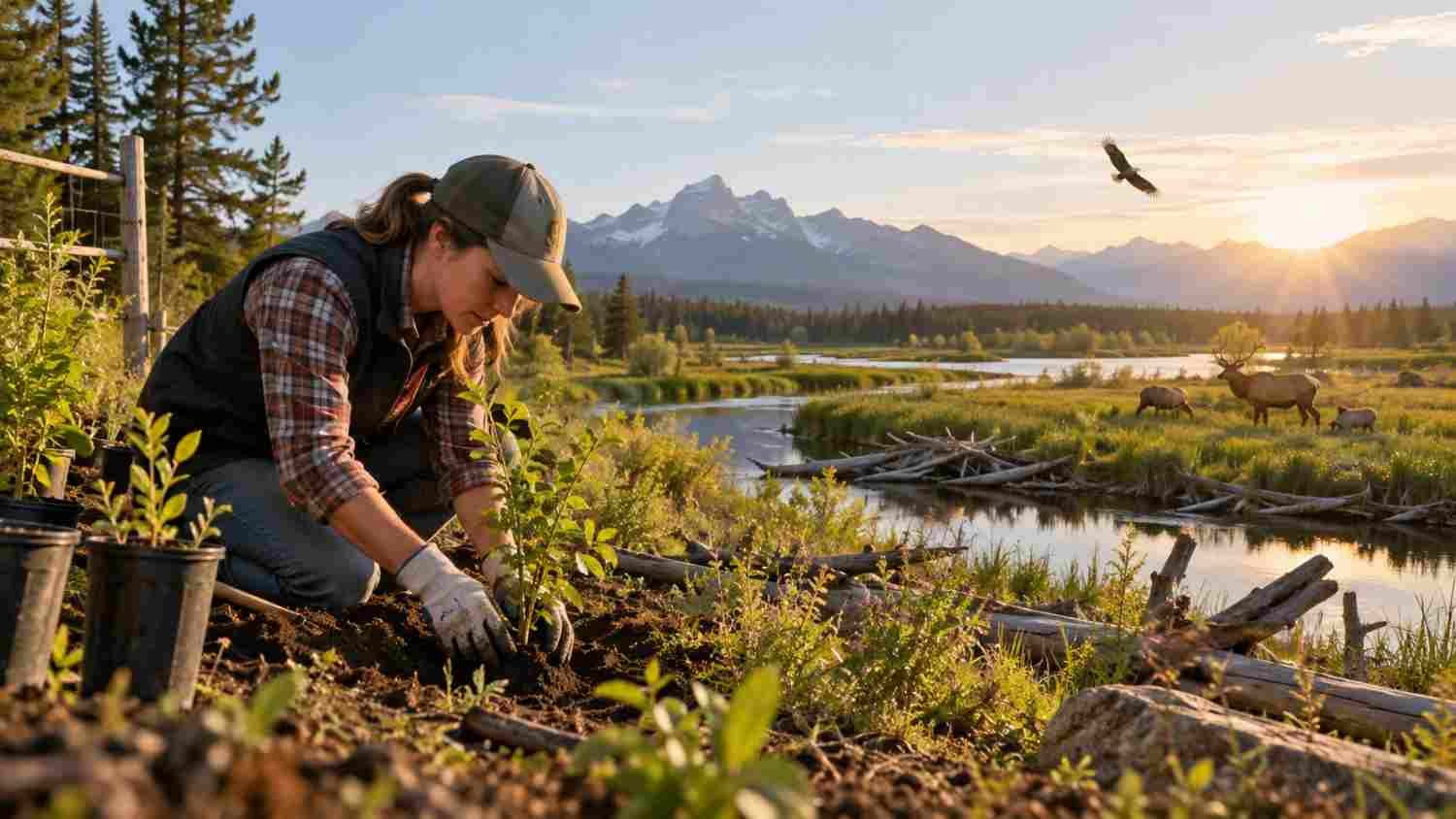
Protecting existing habitat is essential, but damaged ecosystems can sometimes recover through thoughtful restoration. Replanting native vegetation, restoring wetlands, reconnecting waterways, removing invasive species, and improving habitat structure can rebuild resources that wildlife depends on.
Restoration works best when it reflects local ecological conditions. A project designed around native species, natural water patterns, and existing wildlife needs is more likely to support lasting ecological functions than a cosmetic landscape makeover.
Conservation also works better when human needs are considered. Strategies for protecting wildlife without displacing communities can include supporting local land stewardship, maintaining working landscapes, improving habitat around developed areas, and creating conservation incentives that benefit people as well as wildlife.
Healthy Habitats Can Reduce Conflict
When natural resources become scarce, wildlife may move closer to farms, homes, roads, or other developed areas. Climate stress can intensify that pressure by changing where animals find food and water.
Maintaining healthy habitat can help keep essential resources available in appropriate places. Wildlife crossings, secure food storage, livestock protection, water management, and habitat restoration can also make shared landscapes safer.
These measures are part of reducing human-wildlife conflict because they address conditions that bring people and animals into repeated contact. They create landscapes where both can function with fewer dangerous encounters.
Why Ecosystem Health Matters More as Climate Changes
Climate change adds pressure to ecosystems already dealing with habitat loss, pollution, invasive species, disease, and fragmentation. A resilient habitat cannot eliminate those pressures, but it can give wildlife more flexibility.
That is why conservation increasingly depends on maintaining ecological processes rather than protecting isolated species alone. Healthy soil, connected habitat, native vegetation, clean water, functioning food webs, and diverse wildlife populations reinforce one another.
FAQs: How Healthy Ecosystems Support Wildlife in a Changing Climate
1. How do healthy ecosystems help wildlife survive climate change?
They provide food, water, shelter, breeding areas, and connected habitat that can help species cope with changing temperatures and weather patterns.
2. Why is biodiversity important for wildlife?
Biodiversity supports complex food webs and ecological functions, making ecosystems more capable of maintaining resources when conditions change.
3. Why do wildlife corridors matter?
Corridors connect habitat patches and allow animals to move between feeding, breeding, and shelter areas as suitable conditions shift.
4. Can restoring ecosystems help wildlife adapt?
Yes. Restoring native vegetation, wetlands, waterways, and other habitat features can rebuild resources and improve ecological resilience.
The Living Systems Wildlife Depends On
Healthy ecosystems are not background scenery for wildlife. They are active support systems, constantly moving water, nutrients, energy, seeds, and shelter through the landscape. Keeping those systems functional gives animals better opportunities to respond when climate conditions change.
The strongest protection often begins with the habitat itself. When ecosystems can keep working, wildlife has more room to survive, move, reproduce, and adapt.