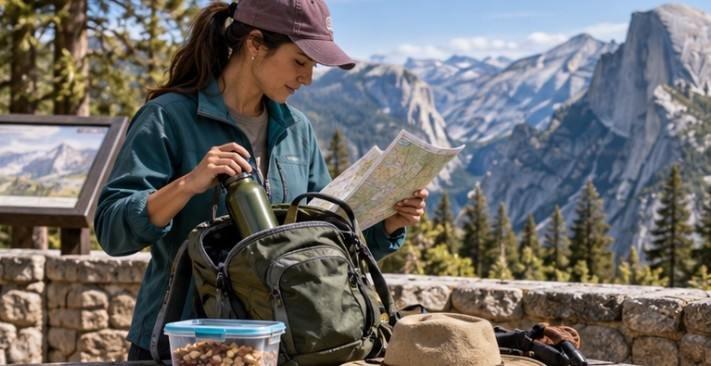
America’s national parks are not short on visitors. The National Park Service recorded 323,014,305 recreation visits in 2025 across 406 reporting park units. At that scale, a “small” choice—one shortcut across a meadow, one apple core beside a trail, or one close wildlife selfie—can be repeated thousands of times.
Learning how to travel responsibly in national parks is less about being a perfect eco-traveler and more about reducing the pressure your visit adds. Prepare before arrival, stay within established spaces, keep wildlife wild, remove what you bring in, and change plans when a park is crowded or stressed.
Responsible Travel Starts Before the Entrance Station
Check the individual park’s alerts for road closures, weather hazards, fire restrictions, trail conditions, permits, and food-storage requirements. The National Park Service’s Recreate Responsibly guidance recommends knowing conditions in advance and carrying a backup plan because access can change quickly.
Reservations are not identical across the park system. Some parks use timed entry, trail permits, shuttle reservations, or seasonal controls. Rocky Mountain National Park, for example, uses timed-entry reservations during specified periods in 2026. That is a reminder to check current official information through Recreation.gov rather than relying on last year’s itinerary or an old social post.
Preparation also means matching the outing to your group. Young children, visitors unaccustomed to altitude, and hikers facing desert heat may need a shorter route than the one that looked easy online. Rangers and visitor-center staff can help you reassess conditions on arrival.
Use the “Least Extra Impact” Test
When two options offer a similar experience, choose the one that adds less pressure. Take the shuttle instead of adding another car to a congested corridor. Use an established viewpoint instead of creating a photo spot. Eat at a durable picnic area rather than leaving crumbs along a trail.
| Situation | Lower-impact choice | Why it helps |
| Trail is muddy | Walk through the center | Going around widens the trail |
| Overlook is packed | Wait or use another signed viewpoint | Reduces off-trail spillover |
| Wildlife is near | Stop and give it space | Prevents stress and risky encounters |
| Trash bin is full | Pack waste out | Keeps litter away from wildlife |
| Parking is congested | Use a shuttle where available | Reduces traffic and roadside parking |
Responsible travel is usually not one dramatic sacrifice. It is a series of ordinary decisions.
Stay Where the Park Is Built to Take Your Footsteps
Trails, boardwalks, paved pullouts, and designated campsites concentrate impact on durable surfaces. Cutting a switchback or stepping around a muddy patch can crush vegetation, expose soil, and create unofficial “social trails.”
The Leave No Trace Seven Principles also call for packing out waste and leaving natural and cultural objects where they are. Rocks, flowers, antlers, pottery fragments, and historic objects should stay put.
Food scraps count as trash too. Orange peels, apple cores, sunflower shells, and sandwich crusts can attract animals and alter their feeding behavior. “Natural” does not mean harmless in an ecosystem where that food would not otherwise be present.
Give Wildlife More Space Than Your Camera Wants
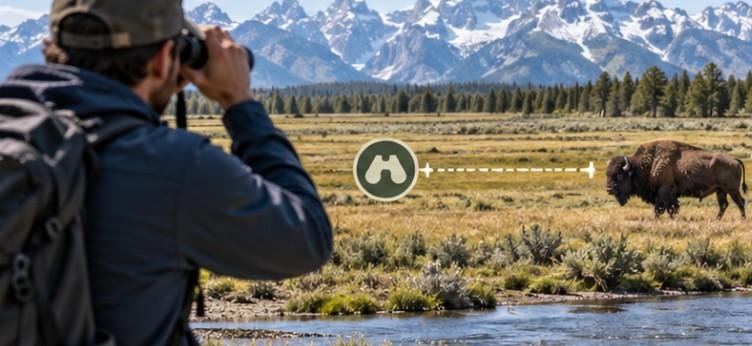
Wildlife encounters are one of the easiest moments to make a poor decision. The National Park Service says many parks use minimum distances such as 25 yards from most wildlife and 100 yards from predators such as bears and wolves, although exact requirements vary by park.
A useful visual check is the “rule of thumb.” Hold your arm straight out and raise your thumb. If your thumb cannot fully cover the animal from view, you are too close. Treat that as a quick warning rather than a replacement for a park’s posted minimum distance.
Never feed wildlife. Human food can change natural behavior and condition animals to approach people, roads, and campsites. Store food, scented items, pet food, and trash as the park directs. If an animal changes its behavior because of your presence, move farther away.
Reduce Waste Before You Reach the Trail
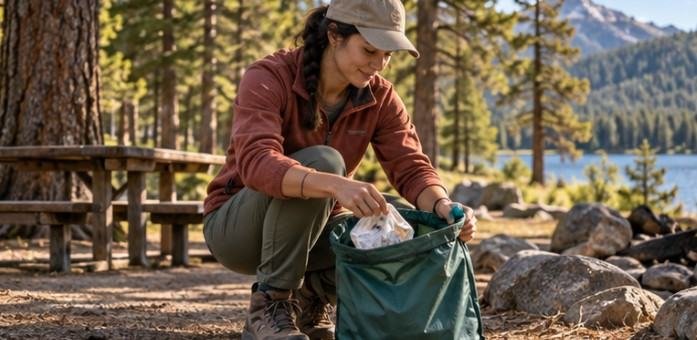
Reduce waste while hiking by carrying reusable bottles, mugs, and food containers reduce what you must throw away. The National Parks Conservation Association’s responsible travel advice recommends reusable items and removing unnecessary packaging before entering a park.
Carry a small trash bag even on short hikes. Pack out tissues, wipes, pet waste, food scraps, and other garbage unless the park provides an approved disposal option.
Human-waste rules vary by environment, especially in backcountry desert, alpine, and river settings. Never assume the method permitted at one park will be appropriate at another.
Clean Your Gear Between Parks
Responsible travel also means preventing the spread of invasive species. Seeds, soil, insects, and plant material can hitchhike on boots, tent stakes, backpacks, bike tires, and vehicles.
The U.S. Department of the Interior’s biosecurity guidance recommends inspecting and cleaning footwear, clothing, packs, tools, and other gear for soil, seeds, insects, and plant debris before entering sensitive sites.
A stiff cleaning brush kept in the car makes this easy. It is especially useful during multi-park road trips where travelers may move from grassland to desert, forest, wetland, or alpine ecosystems within days.
Share the Park, Not Just the View
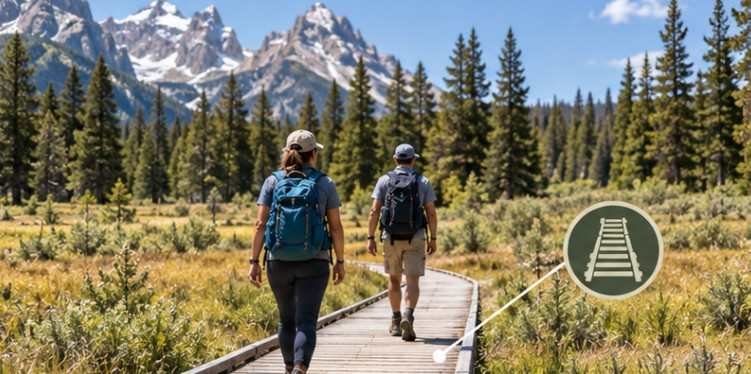
Keep speakers quiet or use headphones, yield according to local trail etiquette, follow sustainable hiking trip rules, keep dogs leashed where required, and avoid blocking narrow trails or overlooks for long photo sessions.
At cultural and historic sites, do not climb ruins, touch fragile surfaces, move artifacts, or enter closed areas. Parks protect human history as well as scenery.
Crowding matters too. Reservation systems, shuttles, and visitor-management tools can spread visitation and reduce pressure on sensitive areas. If a famous location is overwhelmed, visiting at another time or choosing a less-used official trail can improve both the park and your experience.
A Five-Minute Responsible Park Checklist
Before leaving the trailhead, ask five questions: Do I know today’s closures and fire rules? Do I have enough water and the right gear? Do I know the wildlife-distance and food-storage rules? Can I carry out every piece of waste I create? Do I have a backup plan if the destination is crowded? Five yeses prevent many of the most common visitor impacts.
Frequently Asked Questions
1. What is the most important rule for responsible national park travel?
Plan ahead and follow the specific rules of the park you are visiting. Conditions, wildlife distances, permits, pet policies, fire restrictions, and waste requirements can differ significantly.
2. Can I take rocks, flowers, or small natural objects?
Generally, no. Leave natural, cultural, and historic objects where you find them unless the park explicitly says otherwise. Even small removals accumulate when millions of people visit.
3. Is biodegradable food waste okay to leave on a trail?
No. Pack out food scraps. They can attract wildlife, alter natural feeding behavior, and decompose surprisingly slowly in dry, cold, or high-elevation environments.
4. How can I avoid crowds responsibly?
Check reservations, use shuttles, visit at less-busy times, and choose alternative official trails or viewpoints. Never create shortcuts or unofficial parking spots to bypass congestion.
Leave the Park With Less Evidence You Were There
The best answer to how to travel responsibly in national parks is practical, not performative: check current conditions, stay on established routes, control food and trash, clean your gear, and let wildlife keep its distance.
With more than 323 million recreation visits in a year, individual actions can look insignificant. They are not. Parks absorb the cumulative behavior of everyone who arrives. Travel carefully enough that the next visitor can experience the same trail, animal, quiet viewpoint, or historic place without seeing what you changed.