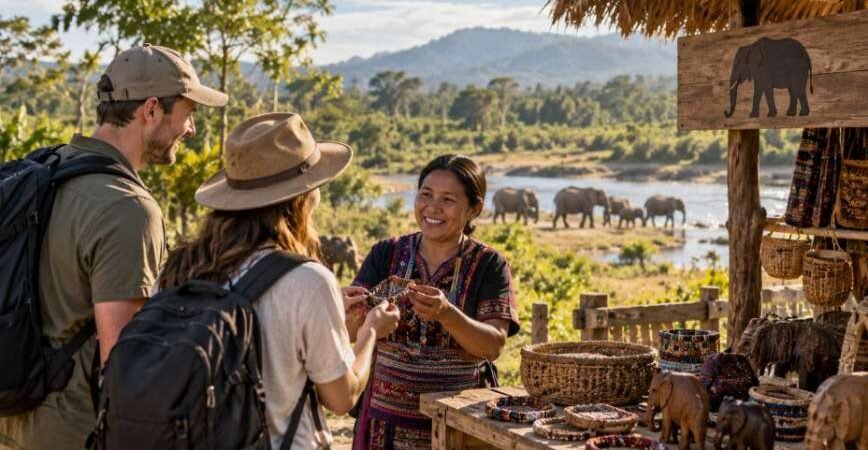
I started looking at wildlife trips differently after noticing how much of the experience depends on people who live near protected areas. The money behind the trip can influence whether a community sees living wildlife as an opportunity worth protecting.
I also noticed that the phrase “responsible tourism” can sound broader than it really is. A lodge can sit beside a beautiful reserve while much of its revenue leaves the area. A tour can advertise conservation while local residents have little say in decisions affecting their land. Does tourism create meaningful benefits for nearby people while helping keep wildlife and habitats healthy?
How Wildlife Tourism Can Support Local Communities
Wildlife tourism can bring money into rural areas where employment options may be limited. Visitors need guides, transportation, accommodation, food, maintenance, interpretation, and other services.
The strongest local impact happens when more of that spending stays within the community. A locally owned guesthouse, for example, can circulate visitor money through household income, nearby farms, food producers, drivers, and craftspeople. These connections create a broader tourism value chain rather than concentrating the benefits in one company.
Jobs That Connect People With Conservation
Employment is especially valuable when it gives residents a practical reason to maintain healthy wildlife populations. Guides and trackers develop specialized knowledge about animal behavior, habitats, and seasonal conditions. Hospitality workers gain transferable skills, while drivers, cooks, mechanics, and suppliers can build livelihoods around visitor demand.
That does not mean tourism automatically replaces every harmful livelihood. Seasonal work may provide less security than year-round employment, and communities can be left behind when higher-paying positions go to people from outside the area.
How Tourism Revenue Can Strengthen Conservation
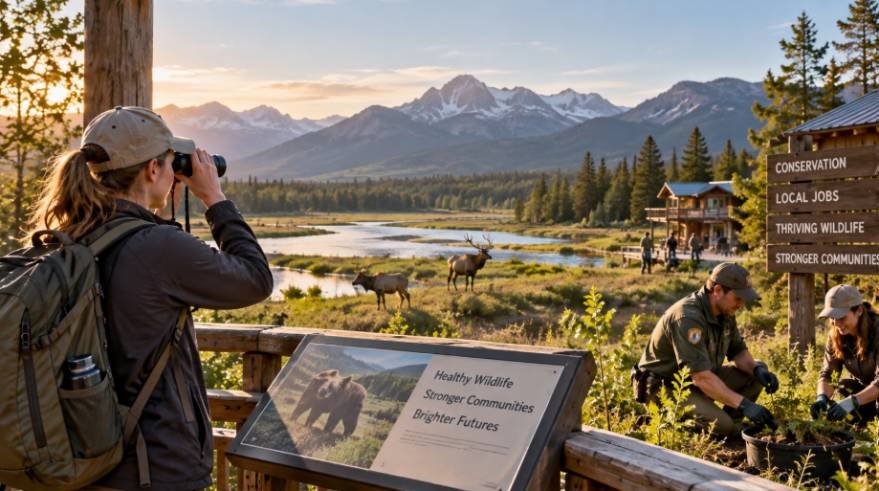
Visitors can contribute directly to conservation through park fees, permits, lodge concessions, and other tourism-related payments. When those funds are managed effectively, they can help pay for habitat management, wildlife monitoring, ranger operations, research, and community programs.
This is where wildlife tourism that supports conservation becomes more meaningful than simply putting wildlife on a travel itinerary. The connection needs to be visible in how money is collected and used. A healthy protected area requires people, equipment, planning, and long-term funding.
Tourism can also create value for land that might otherwise face pressure from agriculture, extraction, or development. If wildlife generates sustained income, protecting habitat can become an economically practical choice for governments, landowners, and communities.
Small Businesses Can Multiply the Impact
Tourism spending rarely stops at the entrance gate. Visitors buy meals, transportation, handmade products, local services, and sometimes overnight stays outside protected areas. When operators intentionally purchase from nearby suppliers, that spending can reach people who never work directly with tourists.
This local circulation can matter particularly in destinations where a visitor may support livelihoods. A meal purchased from a neighborhood restaurant, a locally made craft, or a community-run excursion can turn one tourism transaction into multiple sources of income. Those links strengthen resilience.
Community-owned tourism can deepen that effect. Cooperatives, locally managed camps, homestays, and small guiding companies can give residents greater control over pricing, employment, and business decisions. The difference is worth paying attention to. A destination can attract thousands of visitors and still produce limited local prosperity if most services, supplies, and profits come from elsewhere.
People Also Need a Voice
Economic benefits are only part of the relationship. Communities living beside wildlife areas often deal with restrictions, crop damage, livestock losses, changing land access, or other costs associated with conservation. If tourism income arrives without addressing those realities, resentment can grow.
Meaningful participation gives residents a role in decisions about tourism development, visitor numbers, land use, and how revenue is distributed. The goal is not simply to make communities recipients of tourism money. It is to give them a genuine place in shaping how tourism operates.
What Travelers Can Do Differently
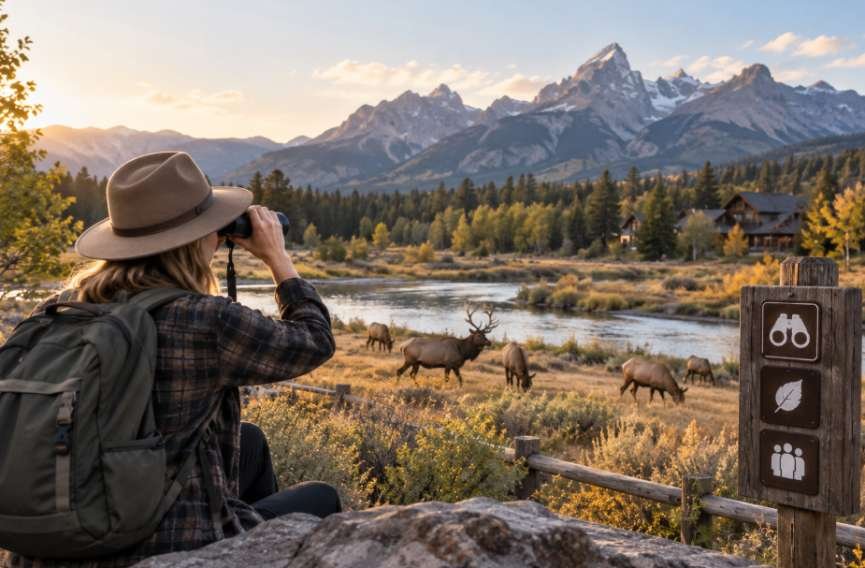
Travelers have some influence over where their spending goes. Before booking, look for businesses that clearly describe local hiring, community partnerships, conservation contributions, or local sourcing. Hiring local guides and choosing locally owned accommodations can keep more money circulating near the destination.
Travel behavior matters, too. Staying on designated routes, maintaining distance from animals, following photography rules, avoiding wildlife attractions that involve harmful handling, and respecting local customs reduce pressure on both people and ecosystems.
These choices support responsible wildlife tourism experiences because responsibility is not limited to what happens during an animal encounter. It includes the economic relationships surrounding that encounter.
When Wildlife Tourism Does Not Work
Wildlife tourism has limits. Crowded sites can disturb animals and damage habitats. Poorly planned development can increase waste, water use, traffic, and land pressure. Tourism revenue can also be unevenly distributed, leaving communities with costs while outside businesses collect most of the income.
That is why success should not be measured only by visitor numbers. A healthier measure considers whether wildlife populations and habitats remain protected, whether local people receive meaningful benefits, and whether communities have a voice in decisions.
Frequently Asked Questions
1. How does wildlife tourism create local jobs?
It creates work in guiding, transportation, lodging, food service, maintenance, conservation, and related businesses. Local suppliers can also benefit from visitor demand.
2. Does tourism revenue always reach communities?
No. Revenue can leave the area through outside ownership or imported services. Local hiring, sourcing, ownership, and transparent benefit-sharing can increase the local share.
3. Can wildlife tourism help prevent poaching?
It can provide legitimate income and strengthen conservation funding, but tourism alone cannot eliminate wildlife crime. Enforcement, governance, and broader economic conditions remain important.
4. How can travelers support local communities?
Choose locally owned businesses when possible, hire local guides, buy locally made products, respect wildlife rules, and ask how tourism contributes to conservation and nearby communities.
Why Local Benefits Matter for Wildlife
Wildlife tourism works best when the people living closest to nature have a meaningful reason to see its survival as valuable. When visitor spending supports jobs, businesses, conservation work, and community priorities, tourism can connect human prosperity with healthier landscapes instead of treating them as competing goals.
That connection is never automatic. The most lasting wildlife experiences are built on fair participation, careful management, and money that reaches the people and places helping keep wild spaces alive.