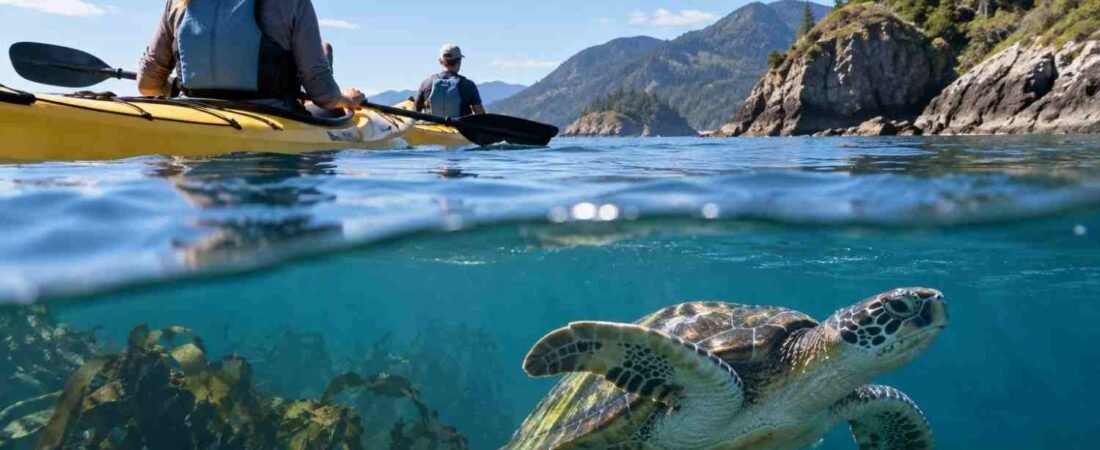
I used to think a good marine wildlife trip was mostly about what I could see: a turtle surfacing, dolphins cutting through the wake, or a reef packed with color. The more I learned about wildlife encounters, though, the more I noticed a different question underneath the excitement: what does my presence change? A memorable encounter means less when an animal has been chased, crowded, fed, or pushed away from its normal routine.
I also realized that responsible travel rarely comes down to one dramatic decision. It shows up in choices before and during a trip, from the operator I book to the sunscreen I pack and the way I handle a camera in the water. Protecting marine wildlife through tourism works best when travelers treat the ocean as a living place first and an attraction second.
Why Tourism Can Help Marine Wildlife
Tourism has a complicated relationship with conservation. A well-managed wildlife trip can give people a reason to care about habitats they might otherwise never experience. A responsible experience can also connect tourism with local businesses, conservation programs, research, and community livelihoods.
That benefit is not automatic. High visitor numbers, careless boating, wildlife feeding, and poorly controlled encounters can put pressure on animals and habitats. A particular experience needs to give wildlife enough space while ensuring the attention and spending generated by visitors can support protection.
Responsible tourism can also make conservation visible. A guide who explains why a pod of dolphins is left alone, or why a boat uses a mooring rather than an anchor, turns a simple excursion into a lesson in stewardship.
Choose the Operator Before You Choose the Animal
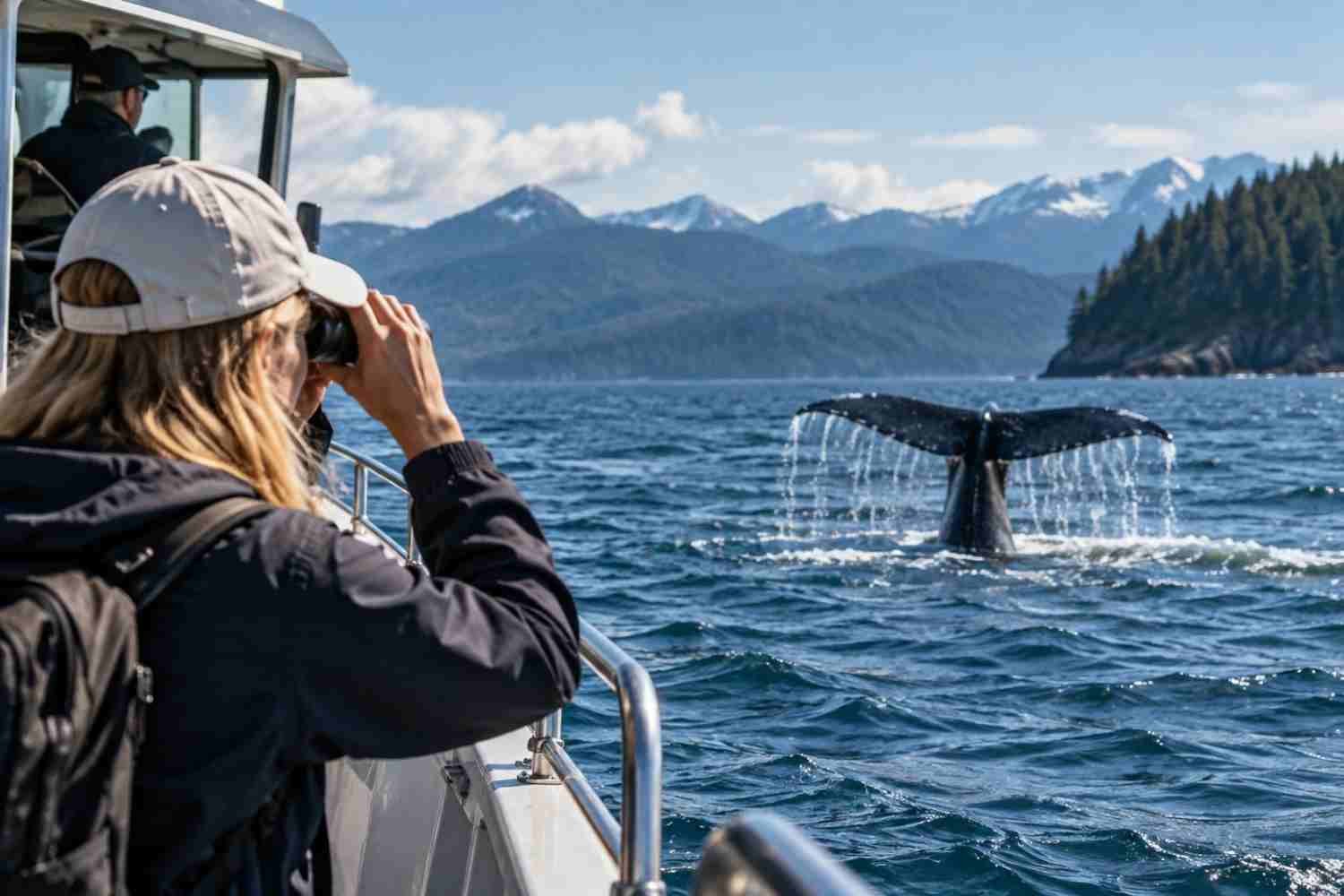
Before paying for a ticket, ask how an operator actually manages wildlife encounters.
Good questions include whether guides follow local viewing regulations, how boats maintain distance from animals, whether feeding is prohibited, how groups are managed, and what happens when wildlife approaches the vessel. A responsible operator should prioritize animal behavior over a customer’s desire for a close encounter.
Smaller groups can make supervision easier, but size alone does not prove that a company operates responsibly. Look for clear policies, trained guides, sensible boat handling, and a willingness to prioritize animal behavior over a customer’s desire for a close encounter. For travelers comparing ethical whale watching experiences, those details matter more than whether a tour promises the closest possible view.
Keep Wildlife Wild
Once you are on the water, restraint becomes the most useful skill. Never chase, touch, feed, corner, or deliberately separate marine animals from their group. If a turtle changes direction because swimmers approach, a dolphin repeatedly dives as a boat follows it, or a seal keeps trying to create distance, give the animal more room.
Wildlife-viewing guidance commonly emphasizes maintaining appropriate distances and limiting the time spent observing marine mammals. Those rules help keep an encounter from becoming an interruption.
The same principle applies underwater. Divers and snorkelers should control buoyancy, keep fins away from coral, and avoid resting hands or equipment on living reef. Boats should use designated moorings where available rather than dropping anchors onto sensitive habitat.
Let the Camera Stay in the Background
A camera can make people forget how close they are getting. The promise of a dramatic frame can quietly turn patience into pursuit, especially when wildlife is moving.
The better approach is to make distance part of the composition. Use a longer lens when appropriate, wait for an animal to come into view naturally, and accept that some encounters will produce imperfect photographs. Never bait an animal, block its route, or ask a guide to move closer simply for a shot. Learning how photographers avoid disturbing wildlife can make the difference between documenting behavior and influencing it.
Reduce Your Impact Beyond the Boat
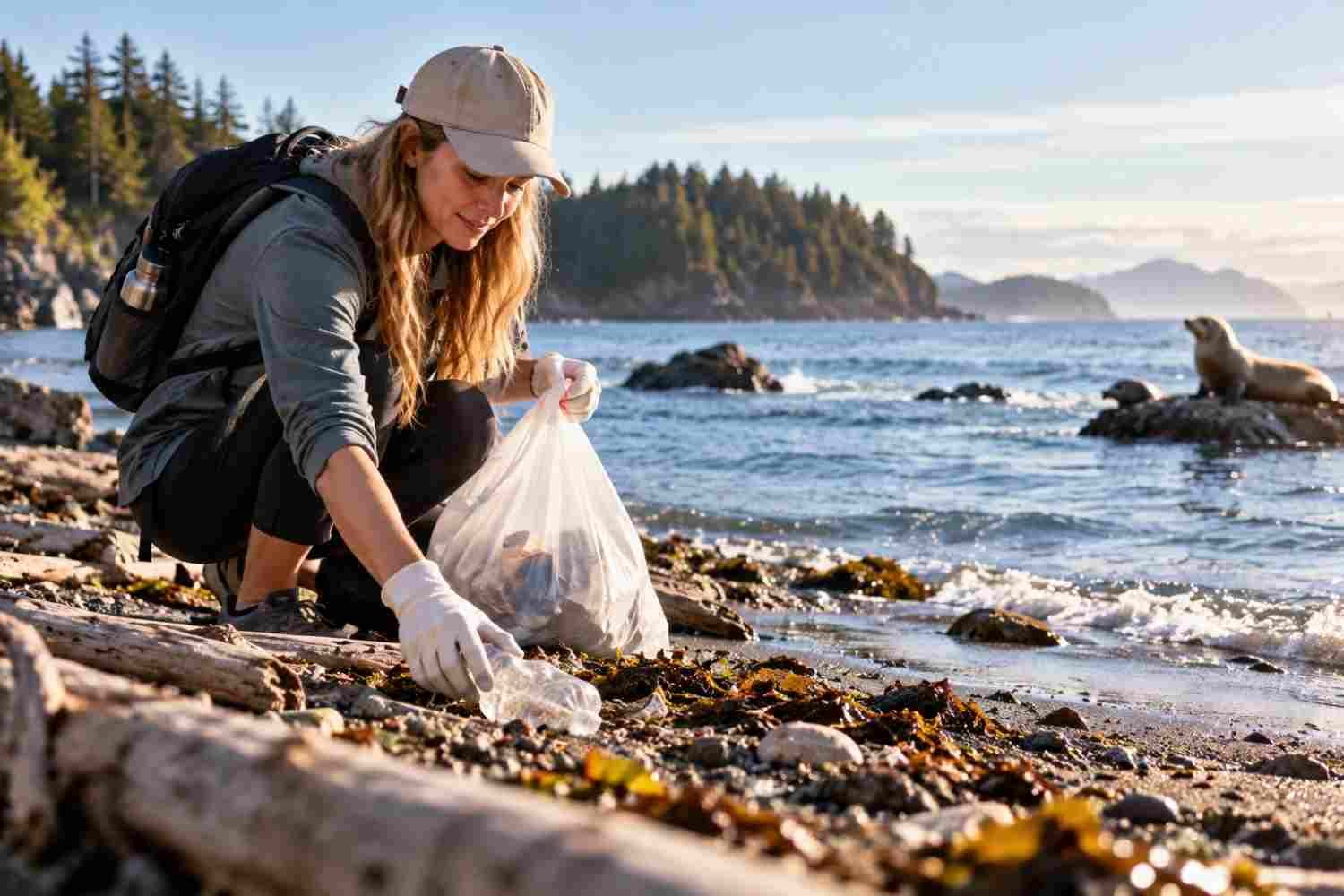
Marine conservation does not end when a tour pulls back into the harbor. Everyday travel choices affect the same ecosystems that visitors come to enjoy.
Pack a reusable bottle, skip unnecessary single-use plastics, and dispose of waste properly. Plastic that escapes into waterways can become marine debris, while careless littering adds pressure to coastal habitats.
Personal-care products deserve some thought, too. Travelers should follow local guidance on sunscreen and choose products designed with aquatic environments in mind. The simplest protection is often physical: shade, protective clothing, and limiting unnecessary exposure.
Leave natural materials where they are. Shells, coral fragments, sand, and living animals are not souvenirs. They are parts of an ecosystem, and removing them can have consequences that are easy to overlook.
Spend Money Where Conservation Matters
Tourism can influence what destinations value. When travelers choose locally owned businesses, conservation-minded operators, and community-led experiences, more spending can stay connected to people who live alongside marine ecosystems.
Some destinations also offer opportunities to support conservation groups, participate in carefully managed citizen-science programs, or report wildlife sightings. Choose credible programs with clear purposes rather than treating every volunteer activity as automatically beneficial.
Travelers can also ask where their money goes. A company that contributes to habitat restoration, supports research, trains local guides, or participates in conservation partnerships has a more tangible connection to stewardship than one that simply uses marine animals as scenery.
FAQs: Protecting Marine Wildlife Through Tourism: Practical Choices for Travelers
1. How can tourists avoid disturbing marine wildlife?
Keep a respectful distance, never chase or feed animals, avoid touching them, and follow local viewing rules. If an animal changes its behavior to move away, increase your distance.
2. Is small-group marine tourism always more sustainable?
Not necessarily. Smaller groups can make supervision easier, but responsible policies, trained guides, boat practices, and wildlife protections matter more than group size alone.
3. Can tourists photograph marine animals ethically?
Yes. Stay back, use appropriate camera equipment, avoid baiting or chasing animals, and let wildlife determine the direction and duration of the encounter.
4. What can travelers do after a wildlife tour?
Reduce plastic waste, avoid removing natural materials, support credible local conservation programs, and choose businesses that contribute to healthy marine ecosystems.
Leave the Ocean Better Than You Found It
Protecting marine wildlife through tourism is less about finding a perfect vacation and more about changing the way an encounter is approached. The strongest choices often look ordinary: booking carefully, keeping distance, staying off coral, carrying reusable essentials, respecting local rules, and accepting that wildlife does not owe anyone a close-up view. Those habits allow tourism to create curiosity without turning animals into performers.
The best marine memories are the ones that leave the wildlife exactly where it belongs: wild, unbothered, and free to carry on without us.