Latest posts
-
Wildlife Tourism That Supports Conservation and the Future of Wild Places
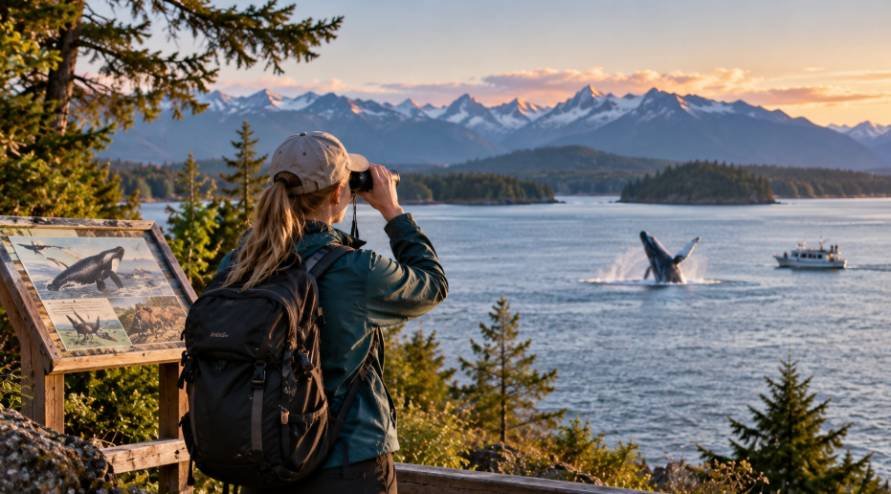
I used to think a wildlife trip was mainly about the sighting itself: a leopard crossing a road, elephants moving through grass, or a whale surfacing beside a boat. Over time, I started paying more attention to what happens around that moment. Who benefits from the visit? Where does the money go? Does the experience…
-
Ethical Whale Watching Experiences Worth Seeking Out
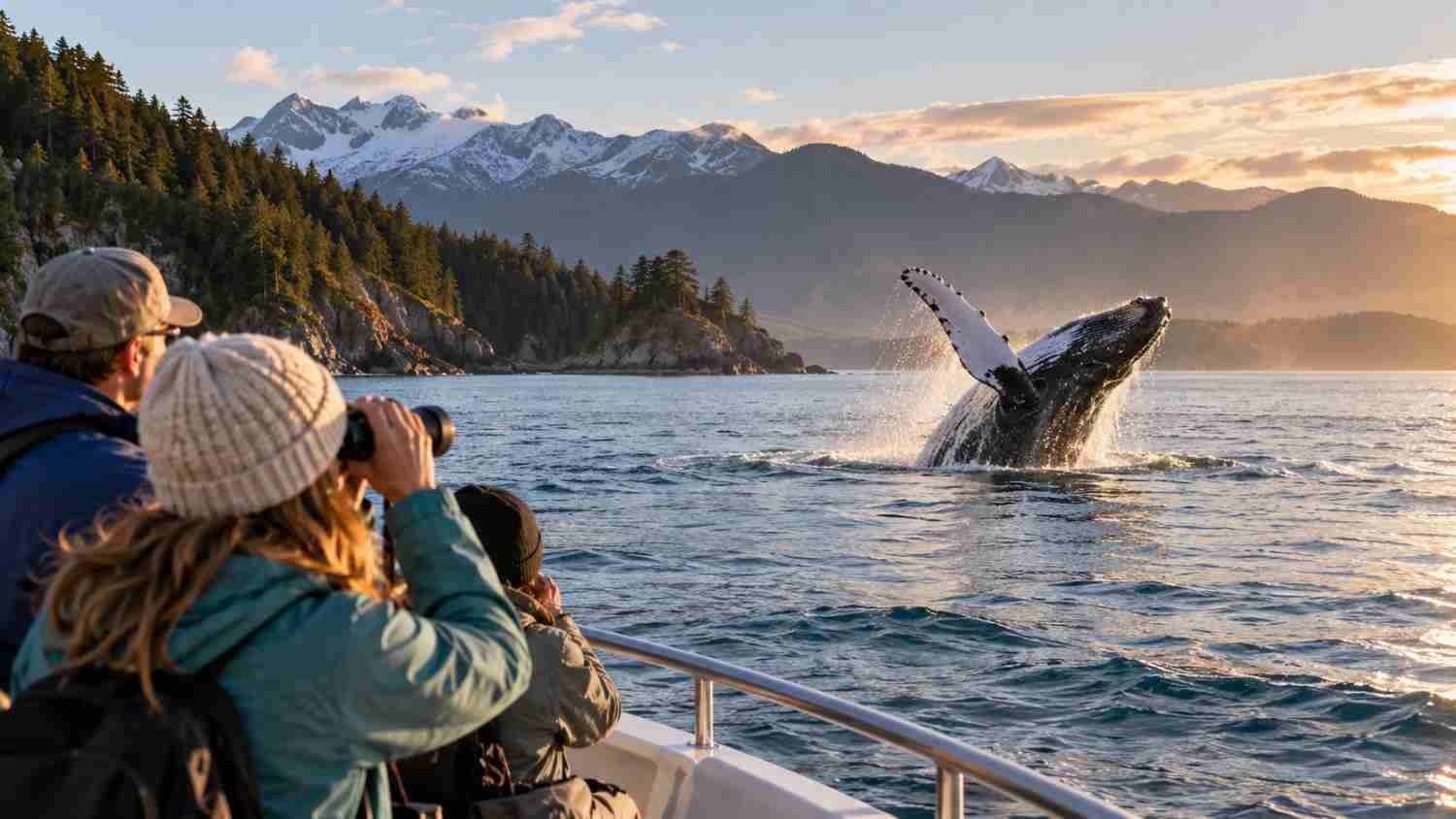
I’ve noticed that the most memorable whale encounters are not always the closest ones. On a good trip, the boat can sit quietly while a whale surfaces, disappears, and returns on its own terms. That distance can feel rewarding because the experience stays focused on watching wild behavior rather than manufacturing a perfect tourist moment.…
-
Responsible Ways to Photograph Wildlife While Traveling Without Disturbing Animals
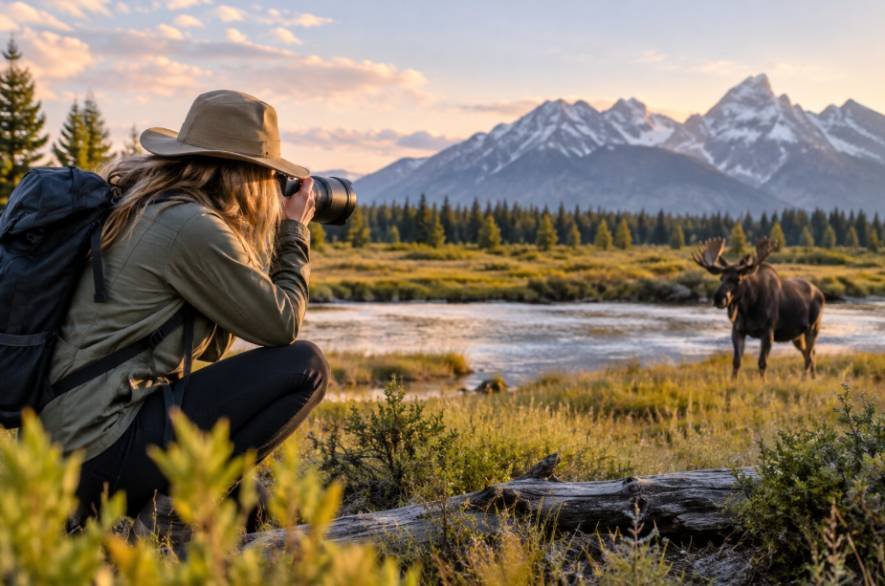
I used to think the best wildlife photographs came from getting as close as possible. A closer subject can reveal incredible detail, but I realized that memorable encounters often happen when I stop trying to control the scene. An animal that stops feeding, changes direction, watches you closely, or leaves a resting spot is already…
-
Wildlife Tracking Holidays Around the World for Unforgettable Encounters
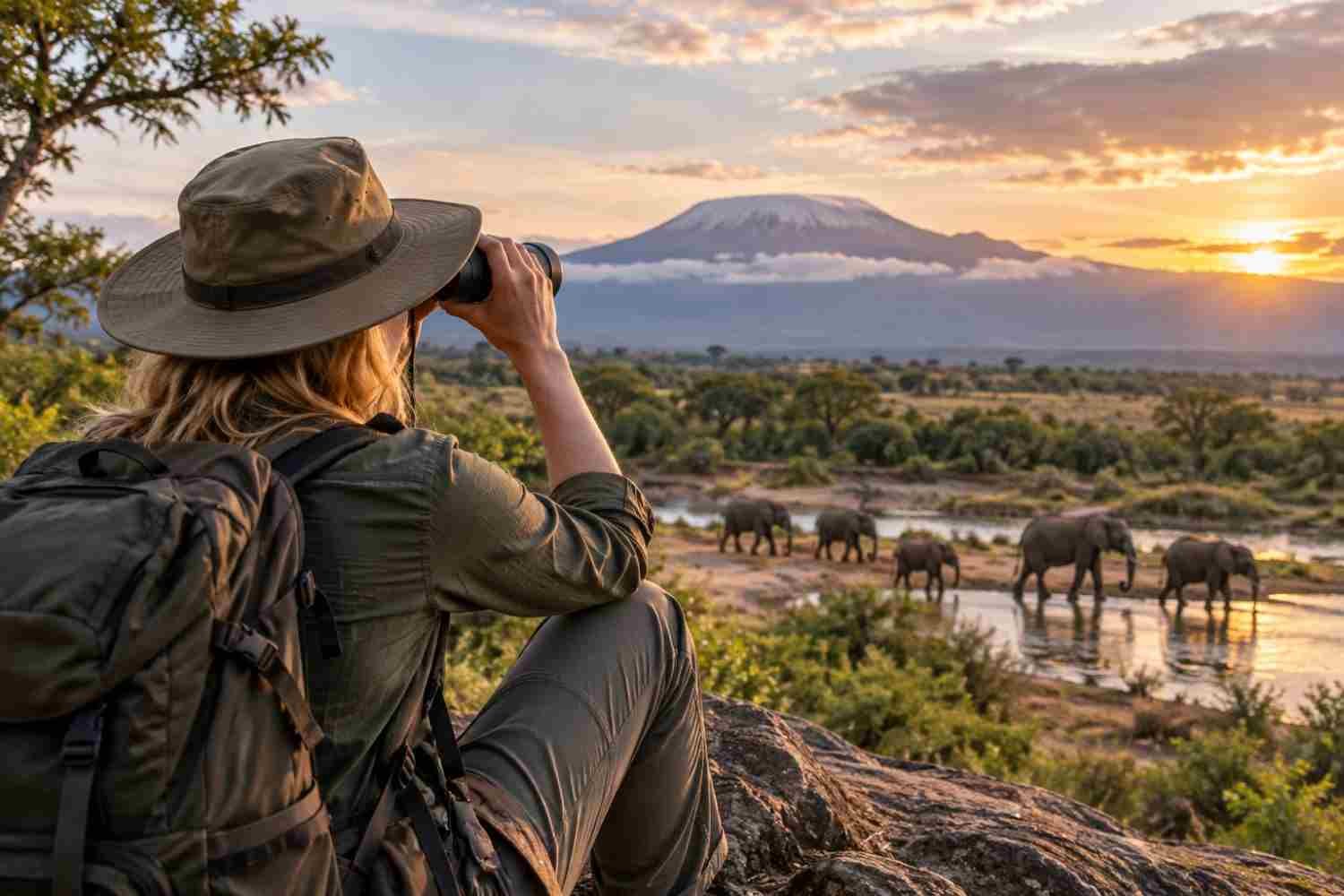
Wildlife tracking holidays bring a different kind of excitement to nature travel. I have always found that watching for an animal can be more memorable than seeing one appear. Following footprints or studying a hillside for movement makes the landscape feel alive. The search becomes part of the experience. I also noticed that the best…
-
How Photographers Avoid Disturbing Wildlife While Getting Great Shots
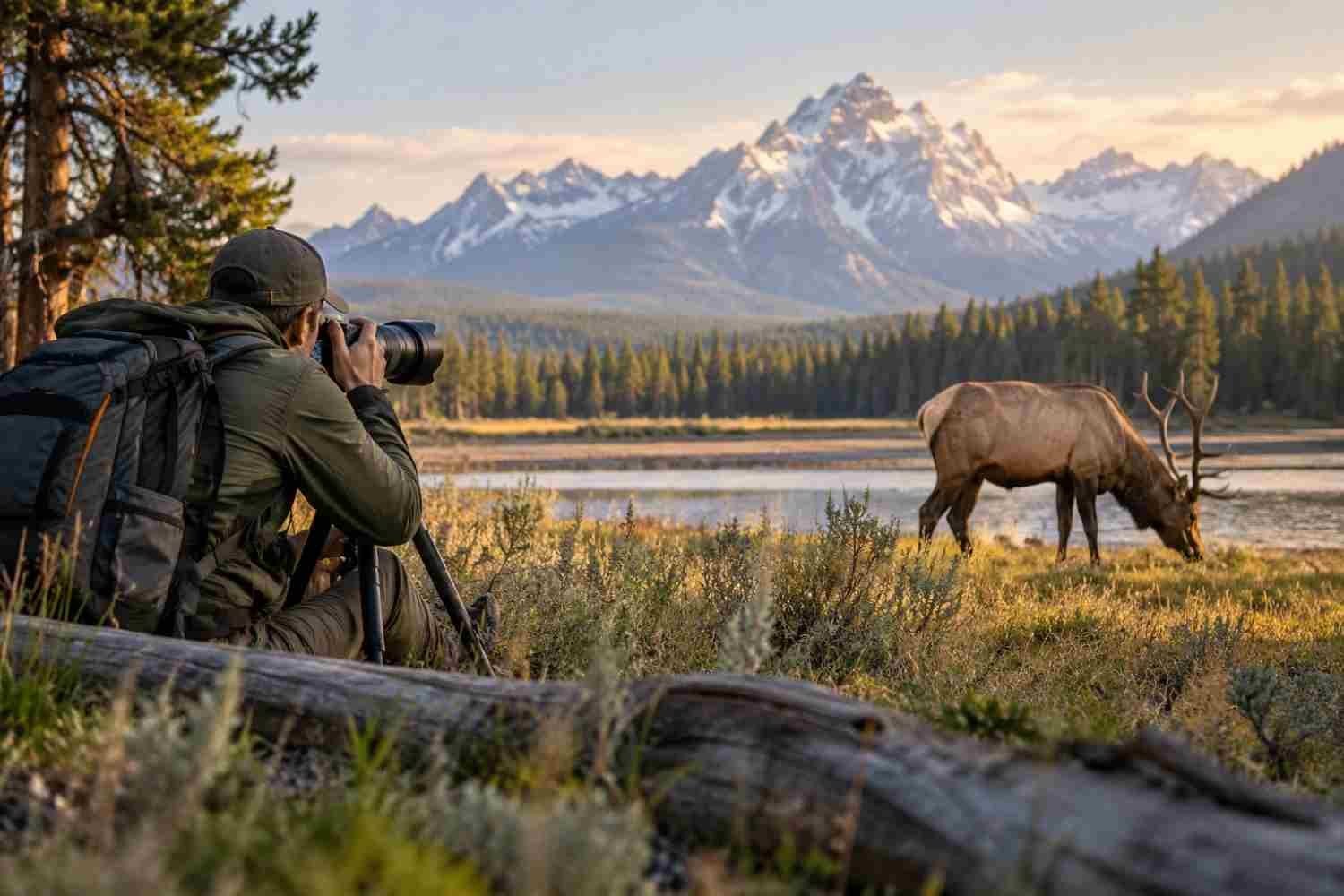
I’ve noticed that the wildlife photographs that stay with me are rarely the ones where an animal looks cornered by a camera. The strongest images feel quiet. A fox keeps walking, a heron keeps hunting, or a deer keeps grazing. That kind of photograph takes patience, but it starts with accepting that the animal’s comfort…
-
Why Wildlife Tourism Is Shifting From Observation to Conservation Today
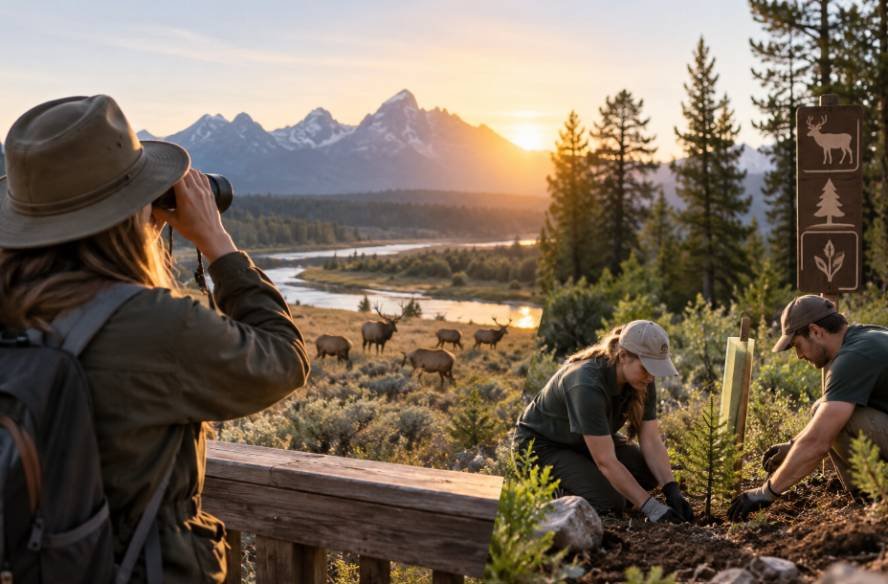
I have noticed that wildlife trips feel different from the experiences I remember seeing advertised years ago. The promise used to center on getting close enough for a photograph or checking a famous animal off a list. Increasingly, the conversation is about what visitors can contribute, how operators protect habitats, and whether an encounter leaves…
-
Reducing Human-Wildlife Conflict Without Losing Wildlife Habitat
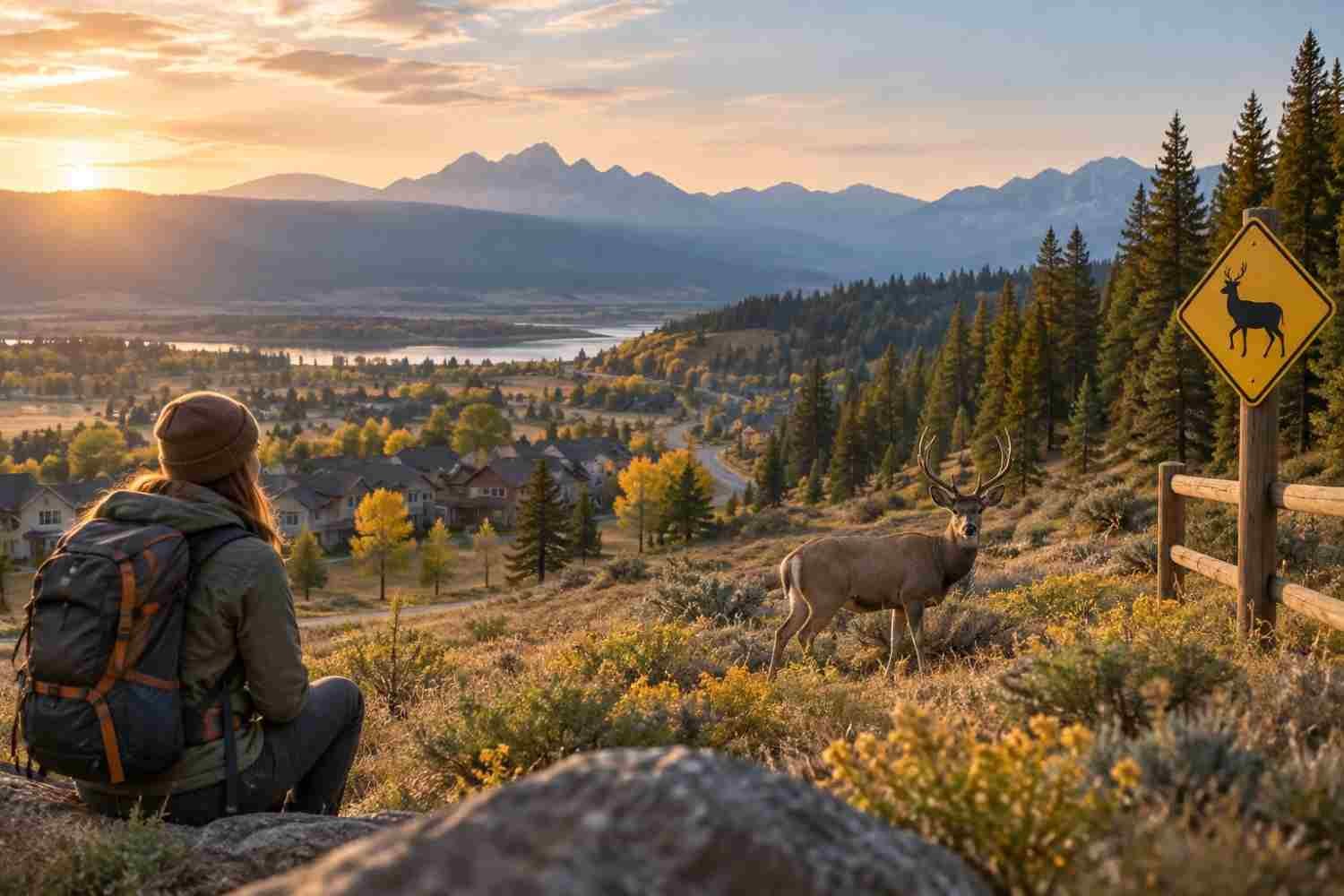
I used to think human-wildlife conflict was mostly about dramatic encounters: a bear near a campground, a coyote crossing a neighborhood, or a crop-raiding animal caught on camera. The more I learned about conservation, the more I noticed how often these moments begin much earlier, with roads, development, food waste, fences, and shrinking connections between…
-
Immersive Wildlife Experiences Beyond Safaris Worth Planning For
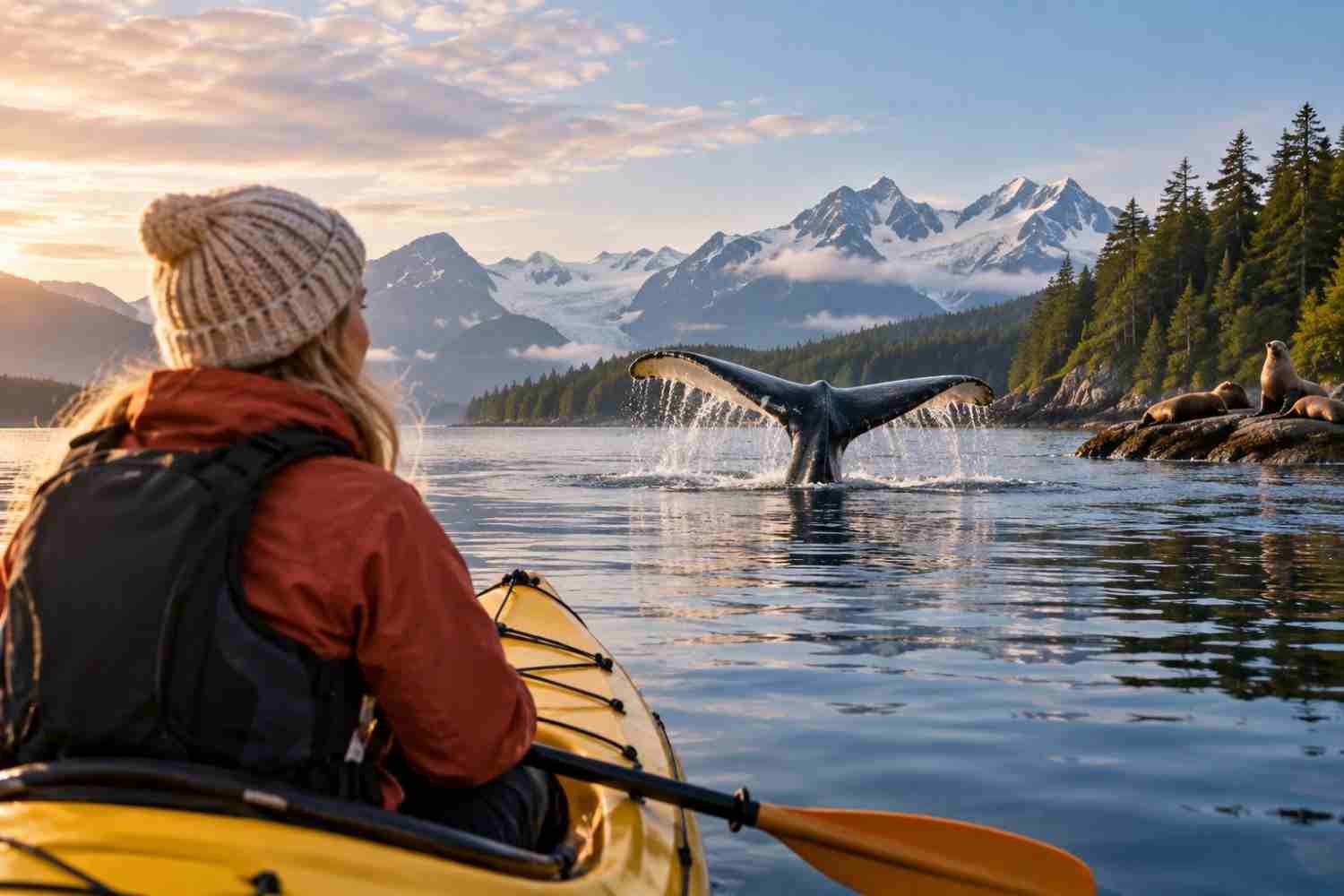
I used to think a great wildlife trip was mostly about getting into the right vehicle, reaching promising habitat, and hoping an animal appeared. After a few trips, I started paying more attention to everything between headline sightings: bird calls, tracks, changing light, plants, and small movements that reveal an ecosystem. I realized that memorable…
-
How Rewilding Landscapes for Endangered Species Restores Nature
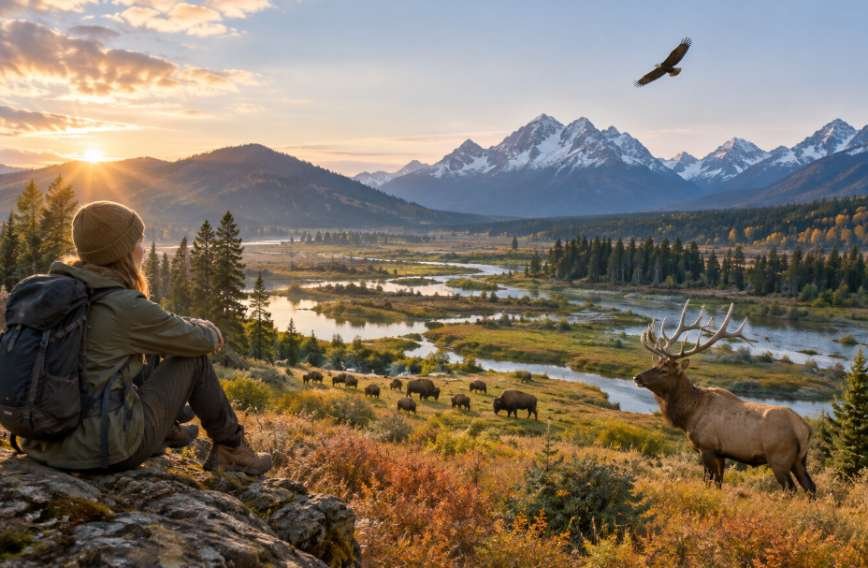
I used to think restoring wildlife meant protecting a patch of land, planting native trees, and keeping people away. Endangered species often need room to move, find food, breed, and respond to seasonal changes. A protected island of habitat can help, but it may not be enough if the surrounding landscape is broken into disconnected…
-
Responsible Wildlife Tourism Experiences for Ethical Animal Encounters
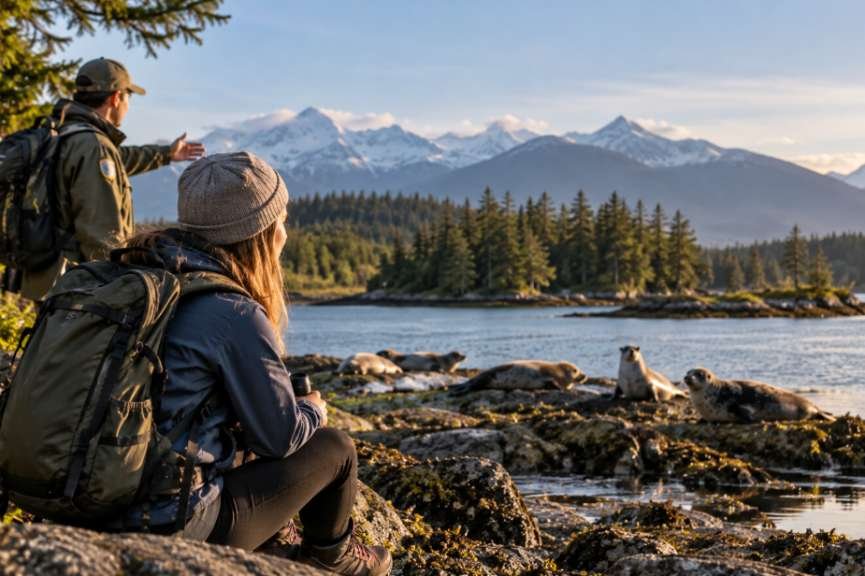
I used to think a wildlife encounter was successful if I came home with a clear photograph. Over time, I started noticing that the best experiences felt different. The animals were not performing, the guides were not pushing them closer, and nobody seemed disappointed when a sighting took patience. I also realized that responsible wildlife…