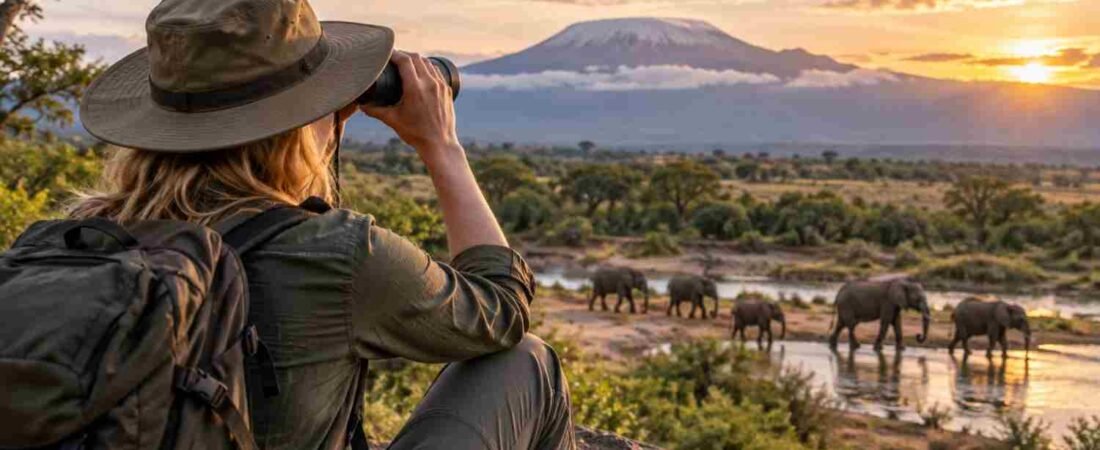
Wildlife tracking holidays bring a different kind of excitement to nature travel. I have always found that watching for an animal can be more memorable than seeing one appear. Following footprints or studying a hillside for movement makes the landscape feel alive. The search becomes part of the experience.
I also noticed that the best tracking experiences are rarely about guaranteeing a sighting. They are about entering a habitat with people who understand it and accepting that wildlife sets the schedule. That mindset can turn a trip into a deeper encounter with nature.
What Makes a Wildlife Tracking Holiday Different?
A tracking holiday puts the process of finding animals at the center. Instead of simply hoping to spot a species, travelers learn to read footprints, broken vegetation, scat, feathers, and calls.
Wildlife Tracking Holidays Around the World
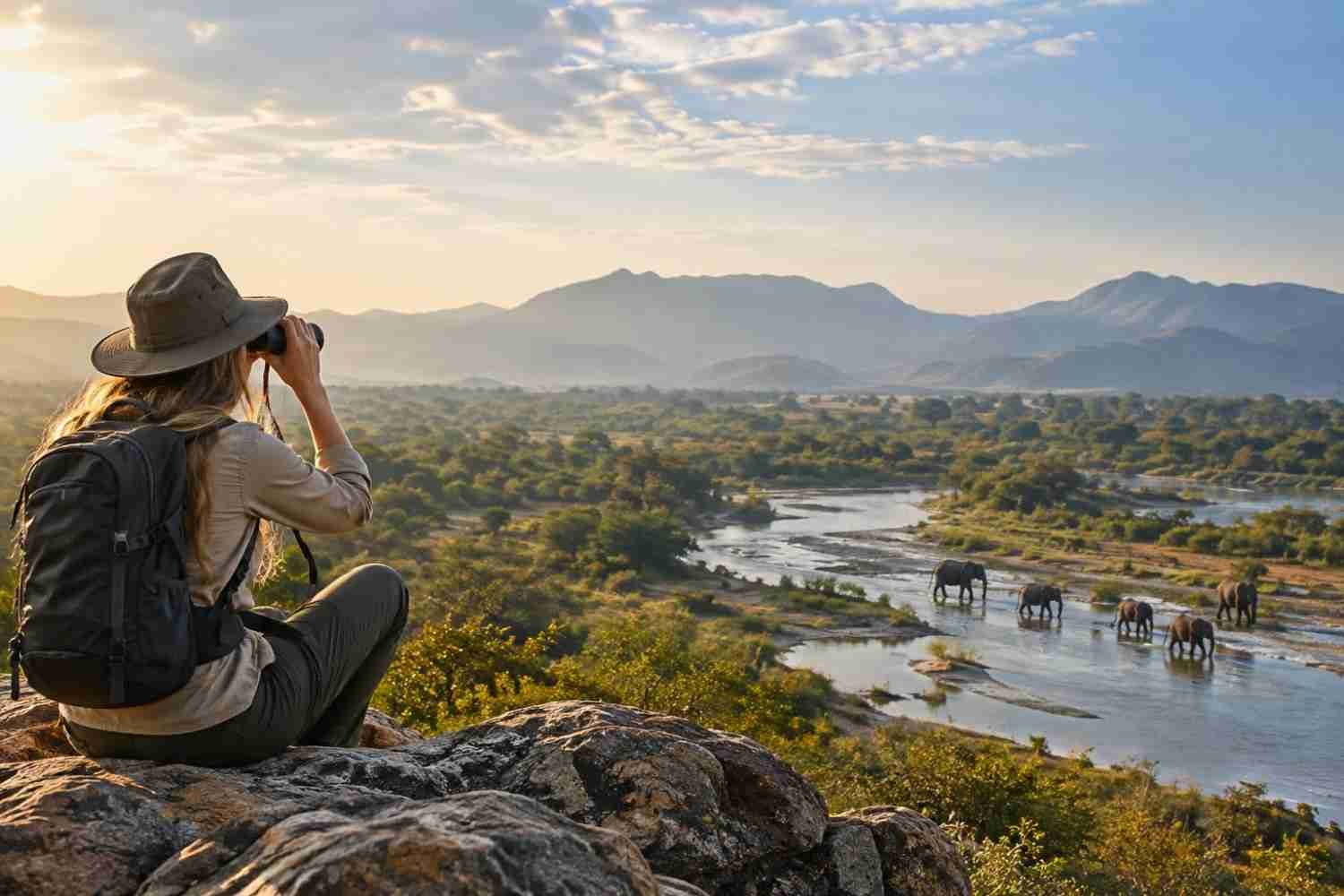
Mountain Gorilla Trekking in Uganda and Rwanda
Mountain gorilla trekking is one of the most immersive forest wildlife experiences available. In Uganda’s Bwindi Impenetrable National Park and Rwanda’s Volcanoes National Park, travelers walk through mountain habitat with trackers and guides to locate habituated gorilla groups. Uganda’s current tracking guidelines emphasize organized visitor management and permits as part of the experience.
The experience can be demanding, with steep terrain and unpredictable weather. The reward is observing social behavior while following rules that reduce disturbance.
Snow Leopard Tracking in Ladakh
Ladakh offers a different tracking challenge. Snow leopards live across rugged, high-altitude terrain where visibility can stretch for miles, yet the cats remain difficult to find. Winter trips rely on experienced local spotters who understand likely resting areas.
Travelers may spend long periods scanning rocky slopes before a subtle movement reveals a cat. The landscape becomes part of understanding the Himalayas. In 2026, Ladakh also approved a high-altitude wildlife safari model involving guided snow leopard and bird-watching trails, trained local guides, and measures intended to reduce wildlife disturbance.
Brown Bear Watching in Alaska
Alaska brings tracking into a landscape shaped by rivers, forests, tides, and salmon runs. Coastal brown bears gather around waterways during salmon season, creating opportunities for guided observation.
Rather than chasing bears, responsible experiences position visitors where behavior can unfold without interference. Watching a bear fish or feed along a riverbank shows why distance and experienced guides matter.
Orangutan Tracking in Borneo
Borneo offers a rainforest version of wildlife tracking. Orangutans spend much of their lives above the forest floor, so guides may look for feeding remains, nests, calls, and movement through the canopy. The search can involve humid trails, muddy ground, dense vegetation, and long periods of looking upward.
The experience rewards observation and highlights how orangutans depend on healthy rainforest.
What You Learn While Following Wildlife
Tracking teaches travelers to notice details that are easy to miss during conventional sightseeing. A footprint can indicate species, direction, freshness, and sometimes an animal’s pace. Calls can reveal alarm, territorial behavior, or another species nearby. Feeding signs can show where an animal recently spent time.
Good guides connect clues to terrain, prey, water, and seasonal behavior, helping visitors understand an ecosystem.
Photography requires similar awareness. Staying patient and giving animals room produces better observations than moving closer. Travelers can also learn responsible ways to photograph wildlife while traveling, around sensitive species or crowded viewing areas.
How to Choose a Responsible Tracking Experience
Before booking, look at how an operator handles animal distance, group size, guide training, permits, and visitor behavior. A strong experience should never depend on feeding wildlife, blocking an animal’s path, making noises to attract it, or pressuring guides to create a sighting.
Conservation and community involvement matter too. Local trackers often possess years of knowledge about the same landscapes. Tourism can create incentives to protect habitat when revenue supports guides and communities.
Responsible operators also accept that wildlife sightings are uncertain. A trip should not promise an animal on demand. Natural behavior is more valuable than a staged encounter. Current wildlife tourism guidance similarly emphasizes observing animals in natural settings without forcing interactions.
What to Expect on a Tracking Holiday
Tracking trips can require more patience and physical effort than conventional sightseeing. Depending on the destination, you may face early starts, long walks, steep trails, cold temperatures, rain, or high altitude.
Pack for the habitat rather than the photograph. Comfortable footwear, layers, water, sun protection, binoculars, and weather protection are useful. Follow local guidance about food, waste, clothing, and movement.
Leave room for uncertainty. A day without a major sighting can still produce valuable observations.
Why Tracking Can Support Conservation
Well-managed wildlife tourism can connect a memorable travel experience with protection of the habitat that makes it possible. Visitor fees, permits, guiding jobs, accommodation, transportation, and local services can create economic reasons to maintain protected landscapes.
Tracking and observation can also support monitoring. Field observations and camera traps can help conservation teams understand animal movements and population pressures. In the Pantanal, long-term jaguar monitoring has used radio collars and remote cameras to inform conservation decisions.
That is why sustainable wildlife travel experiences for 2026 should be judged by more than the species listed. Quality depends on wildlife treatment, local benefits, and habitat protection.
Why the Search Becomes Part of the Memory
Strong wildlife tracking holidays do not reduce nature to a checklist. They slow travelers down and teach attention. A faint track, alarm call, or movement high in a tree becomes meaningful when you understand what you are seeing.
That sense of discovery stays with you. The most memorable encounter may not be the closest one, but the one that made you see a landscape differently.
FAQs: Wildlife Tracking Holidays Around the World for Unforgettable Encounters
1. What is a wildlife tracking holiday?
It is a nature-focused trip where guides help travelers locate and observe wild animals by interpreting tracks, calls, feeding signs, habitat, and movement patterns.
2. Are wildlife tracking holidays physically demanding?
Some are. Gorilla trekking, snow leopard expeditions, and rainforest hikes can involve steep terrain, altitude, cold, heat, mud, or long walking days.
3. What should I bring on a tracking trip?
Comfortable footwear, layers, water, sun protection, binoculars, and weather protection are useful. Destinations may require additional equipment.
4. Can I photograph animals during tracking trips?
Yes, but photography should never interfere with animal behavior. Follow guide instructions, maintain appropriate distances, and avoid actions intended to force a closer encounter.
The Experience Worth Carrying Home
A great tracking holiday leaves travelers with more than photographs. It creates a better understanding of how animals use space, respond to seasons, and depend on healthy habitats. It also encourages quieter travel based on observation rather than control. When guides, communities, conservation teams, and visitors share responsibility, the experience can benefit people while keeping wildlife at the center.
The reward is learning to look closely. Once you notice the clues, the wilderness rarely feels empty again.