
I used to think human-wildlife conflict was mostly about dramatic encounters: a bear near a campground, a coyote crossing a neighborhood, or a crop-raiding animal caught on camera. The more I learned about conservation, the more I noticed how often these moments begin much earlier, with roads, development, food waste, fences, and shrinking connections between habitats.
I also realized that protecting wildlife does not always mean keeping people away from nature. In many places, people and animals already share the same landscape. The practical challenge is making that overlap safer. That means protecting habitat while changing the conditions that turn normal wildlife movement into a costly or dangerous encounter.
Why Human-Wildlife Conflict Happens
Conflict usually develops when human needs and wildlife needs overlap too closely. New roads can cut through movement routes. Housing can replace natural cover. Farms may sit beside forests where animals naturally search for food. A dry season can push wildlife toward dependable water sources, while unsecured garbage can create an easy meal near homes.
That makes habitat protection part of conflict prevention, not a separate conservation goal. When animals can move through connected, productive habitat, they have fewer reasons to enter fields, yards, roads, and buildings. Good planning starts by asking where wildlife already moves and what resources keep those movements predictable.
Protect Habitat Before Conflict Starts
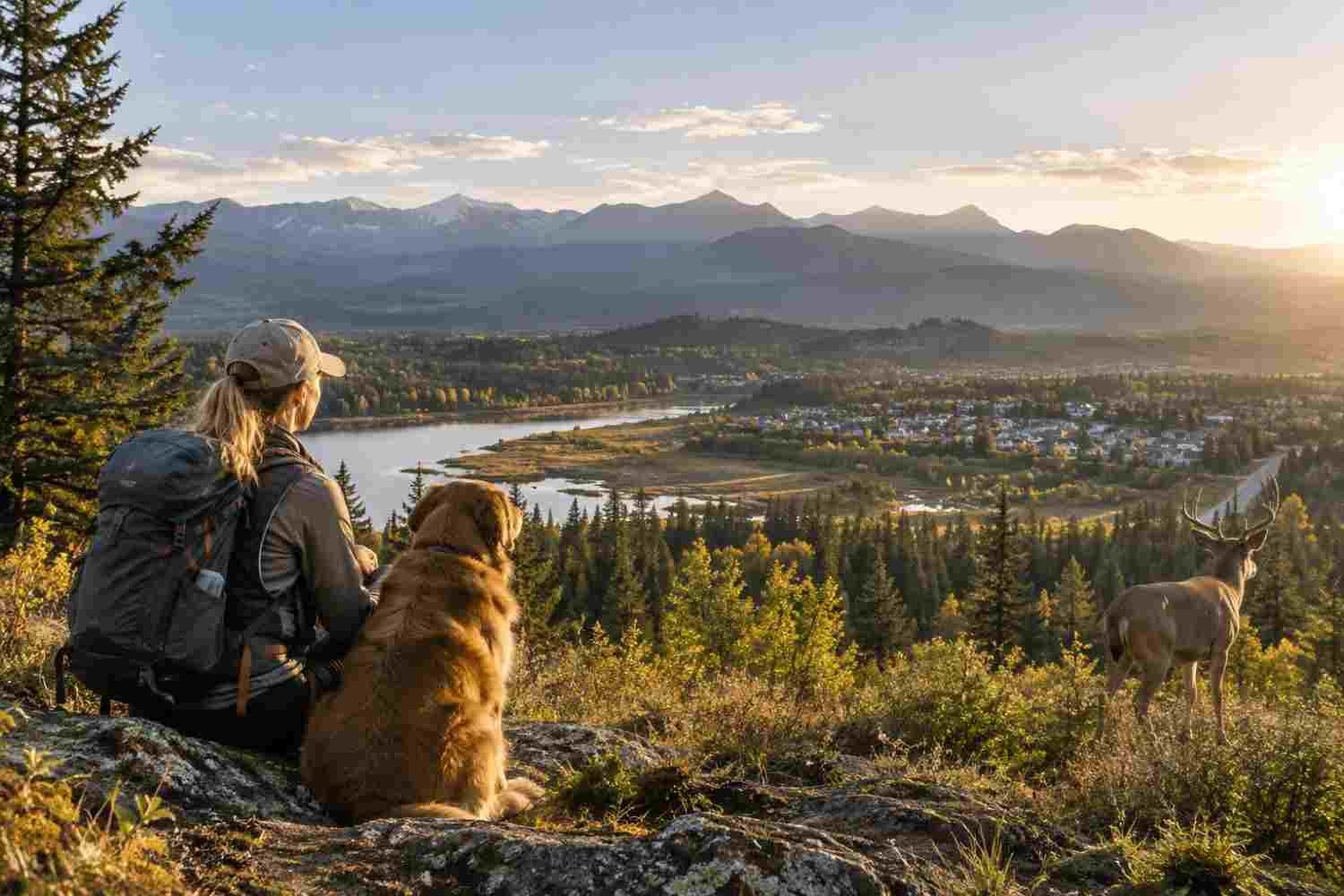
Wildlife corridors can maintain connections between larger habitat areas separated by roads, farms, or development. Corridors do not have to look identical everywhere. A protected strip of vegetation, a restored wetland, or a connected forest can provide cover and food while keeping movement away from heavily used human spaces.
Highway crossings can extend that idea. Wildlife underpasses and overpasses, combined with appropriately designed fencing, can guide animals toward safer crossing points. The goal is not simply to build a structure. Effective projects consider species behavior, seasonal movement, surrounding habitat, and whether animals actually use the route.
Habitat restoration also matters. Restoring native vegetation, wetlands, or other degraded areas can improve the availability of natural food, shelter, and water. That does not guarantee animals will stay away from people, but it can reduce pressure that makes human spaces unusually attractive.
Reduce Attractants Around Human Spaces
People can sometimes prevent conflict without changing the surrounding habitat at all. Securing trash, pet food, livestock feed, and other attractants can make homes and campsites less rewarding for opportunistic wildlife. Feeding wild animals, even with good intentions, can also teach them to associate people with food.
Farms may need more specialized protection. Reinforced livestock enclosures, secure grain storage, electric fencing, and carefully managed guardian animals can reduce opportunities for predators or other wildlife to reach vulnerable resources. Deterrents such as lights or sound devices can help in some situations, although animals may become accustomed to repeated signals.
The important point is matching the tool to the species and situation. A measure that works for one animal may have little effect on another. Poorly designed barriers can also create new problems by blocking normal wildlife movement.
For travelers, the same principle applies. Immersive wildlife experiences beyond safaris can be valuable when they encourage observation without feeding, chasing, crowding, or otherwise changing animal behavior. Responsible viewing should leave wildlife with the freedom to move normally.
Put Communities at the Center
Conservation plans work differently when the people living beside wildlife have a meaningful role in designing them. Residents often know where animals travel, when conflicts peak, which crops attract wildlife, and which previous measures failed. That local knowledge can make technical conservation plans more practical.
Economic support can matter just as much. Farmers facing repeated crop or livestock losses may reasonably view wildlife protection differently from visitors who encounter animals only during recreation. Programs that support stronger corrals, storage facilities, fencing, early-warning systems, or compensation can reduce pressure for harmful responses.
Education helps too, but it works best when it answers practical questions. Residents need to know what an animal is likely to do, what signs suggest an encounter is developing, what behavior should be avoided, and whom to contact when wildlife becomes a genuine safety concern.
Use Better Information to Prevent Encounters

Wildlife management becomes more precise when decisions are based on actual movement and behavior. Tracking can reveal where animals travel, which habitats they prefer, and where roads or settlements repeatedly create risky interactions. Camera traps, GPS collars, field observations, and incident records can all contribute useful information.
For visitors, learning how naturalists track wild animals can also change the way wildlife encounters are understood. Tracking is not simply about finding animals. It can reveal patterns that help managers protect important movement routes and reduce unnecessary disturbance.
Monitoring should continue after an intervention begins. If a fence reduces livestock losses but blocks other species, the design may need adjustment. If a crossing is built but animals rarely use it, managers need to investigate why. Conservation becomes stronger when projects are treated as systems that can be tested, measured, and improved.
FAQs: Reducing Human-Wildlife Conflict Without Losing Wildlife Habitat
1. Can habitat protection really reduce wildlife conflict?
Yes. Connected, healthy habitat can provide food, shelter, and movement routes, potentially reducing the need for wildlife to seek resources in developed areas.
2. Are electric fences safe for wildlife?
When properly designed and maintained, electric fencing can deter animals without killing them. Placement and voltage should be appropriate for the species and local conditions.
3. Do wildlife corridors prevent all conflicts?
No. Corridors can improve movement and connectivity, but they work best alongside road crossings, fencing, habitat management, and local monitoring.
4. Why does community involvement matter?
Residents experience the costs and risks of conflict directly. Their knowledge and participation can help shape measures that are practical, accepted, and easier to maintain.
Why Coexistence Depends on Better Planning
Reducing human-wildlife conflict is less about creating a perfect boundary between civilization and nature and more about managing the places where those worlds already overlap. The strongest approach combines habitat connectivity, thoughtful infrastructure, secure human spaces, non-lethal deterrents, community support, and continuous monitoring. None of these measures works everywhere in exactly the same way. Their value comes from fitting the solution to the species, landscape, and people involved.
Wildlife does not need an empty world to survive. It needs enough space, safe movement, and people willing to plan around those needs.