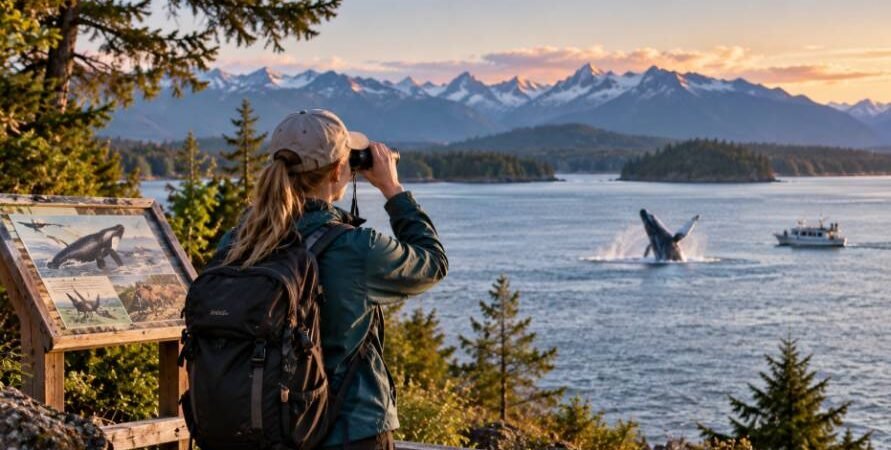
I used to think a wildlife trip was mainly about the sighting itself: a leopard crossing a road, elephants moving through grass, or a whale surfacing beside a boat. Over time, I started paying more attention to what happens around that moment. Who benefits from the visit? Where does the money go? Does the experience give people a reason to protect the habitat after the tourists leave?
I also realized that the best wildlife encounters are not necessarily the closest ones. A quiet sighting, a patient guide, and an animal behaving normally can tell us more than a staged interaction ever could. That changed how I think about wildlife tourism that supports conservation. The value is not simply in seeing an animal. It is in helping keep the animal, its habitat, and the people living nearby connected to a future where all three can endure.
Why Wildlife Tourism Can Support Conservation
Wildlife tourism can create a financial connection between healthy ecosystems and local economies. Visitors pay for park entry, guides, transportation, lodging, food, and other services. Those purchases can generate jobs and income while helping protected areas attract funding for management and conservation.
Wildlife habitat has costs. Rangers need equipment, researchers need resources, and communities living beside protected areas need practical economic opportunities. Tourism cannot solve every challenge, but well-managed visitor spending can support conservation.
Where Visitor Spending Makes a Difference
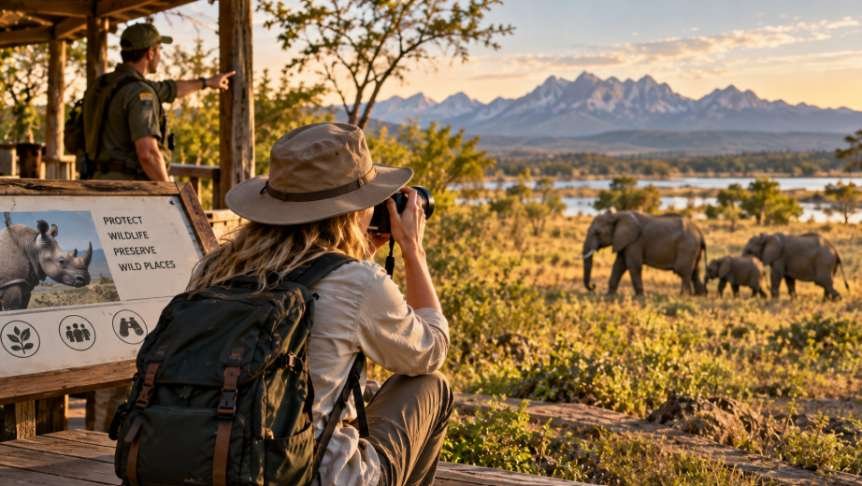
A conservation-focused tourism model can direct money toward park management, habitat protection, species monitoring, ranger programs, restoration, and community businesses. The mechanism varies by destination. Visitors may pay government-managed entrance fees, while private operators contribute through concessions, partnerships, donations, or community payments.
That distinction matters because conservation depends on consistent protection, not occasional donations or impressive wildlife encounters that disappear when visitors leave behind.
The important question is not simply whether an operator uses the word conservation. Travelers should understand what their spending supports. Clear reporting, local partnerships, and specific conservation commitments are more meaningful than vague promises about being green.
Tourism can also have a multiplier effect. A visitor might pay a guide, eat locally, stay at a family-run lodge, and buy supplies nearby. That spending can make intact landscapes economically valuable without requiring wildlife to be captured or consumed.
Local Communities Need a Real Stake
Conservation becomes harder to sustain when nearby residents receive few benefits from protecting wildlife. A tourism economy can help change that equation by creating jobs, supporting local businesses, and giving communities a meaningful role in managing natural resources.
That does not mean every tourism project helps residents. Benefits can remain concentrated among outside companies if local people have little ownership or decision-making power. Stronger models involve local guides, community enterprises, revenue sharing, and resident participation.
This is also where rewilding landscapes for endangered species connects with tourism. Restoring habitat can create conditions wildlife needs, while carefully managed visitation can help make that restored landscape economically valuable to surrounding communities.
Keeping Wildlife Wild
The most responsible wildlife experiences allow animals to remain animals. Visitors can watch natural behavior rather than expect wildlife to perform or tolerate physical contact.
That principle affects everyday choices. Drivers can maintain appropriate distances. Guides can avoid crowding an animal simply because a rare sighting appears. Visitors can resist touching or feeding wildlife, even when an encounter feels harmless. In marine settings, boats can avoid chasing animals or disrupting their movement.
Repeated across thousands of encounters, these choices shape pressure on wildlife. Good tourism should leave animals able to behave naturally after visitors move on.
When Tourism Becomes Part of the Problem
Tourism has limits. Too many vehicles around a den, heavy foot traffic near nesting sites, poorly planned roads, waste, noise, and rapid construction can damage the ecosystems visitors came to experience.
A destination may market itself as sustainable while local residents receive little revenue or carry most costs. Conservation can suffer when tourism depends on visitor growth instead of habitat quality.
That is why responsible tourism needs limits, monitoring, and management.
How Travelers Can Choose Better Experiences
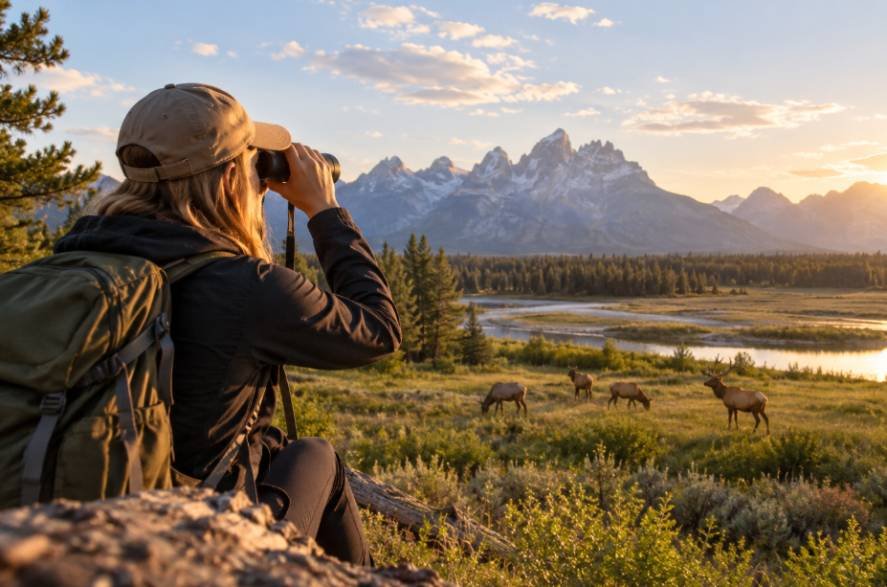
Before booking, look beyond photographs and marketing language. A credible operator should explain how it treats wildlife, works with local communities, and contributes to conservation.
Look for practical evidence:
- Clear wildlife-viewing rules and limits on interaction
- Local guides, businesses, or community partnerships
- Transparent conservation policies and specific projects
- Respect for protected-area regulations and animal welfare
Travelers can also ask direct questions. Does the operator prohibit feeding wildlife? Are guides trained to maintain viewing distances? Does the company publish conservation information? Straightforward answers reveal more than a sustainability badge.
The same approach applies to responsible wildlife tourism experiences. It is about choosing experiences designed to reduce harm while directing meaningful value toward wildlife, habitat, and local people.
Choosing Experiences With a Longer View
A strong wildlife tourism model is about what remains after the visitor goes home. If tourism helps keep a park staffed, supports local livelihoods, funds habitat protection, and gives communities a reason to value living wildlife, its impact can extend far beyond one vacation.
But conservation should never become a marketing accessory. Wildlife needs space, functioning ecosystems, and consistent protection whether tourists are present or not.
Frequently Asked Questions
1. How does wildlife tourism support conservation?
Visitor fees and tourism spending can help fund protected-area management, conservation programs, local employment, and habitat protection when benefits are properly directed.
2. Is all wildlife tourism sustainable?
No. Poorly managed tourism can disturb animals, damage habitats, increase waste, and concentrate economic benefits away from local communities.
3. How can travelers identify responsible wildlife tours?
Look for clear animal-welfare rules, local partnerships, controlled groups, transparent conservation commitments, and policies that discourage feeding or touching wildlife.
4. Does wildlife tourism help local communities?
It can. Guides, lodging providers, restaurants, transport companies, and community enterprises can benefit when tourism revenue remains within the local economy.
What Wild Places Need After the Visitors Leave
The most meaningful wildlife trips do not end when the camera is packed away. Their value can continue through jobs, protected habitat, better conservation management, and communities that see living wildlife as something worth safeguarding. That is the difference between tourism that merely uses a beautiful place and tourism that helps maintain it.
A memorable encounter should leave more than a photograph behind. Ideally, it leaves stronger reasons to keep the wild place wild.