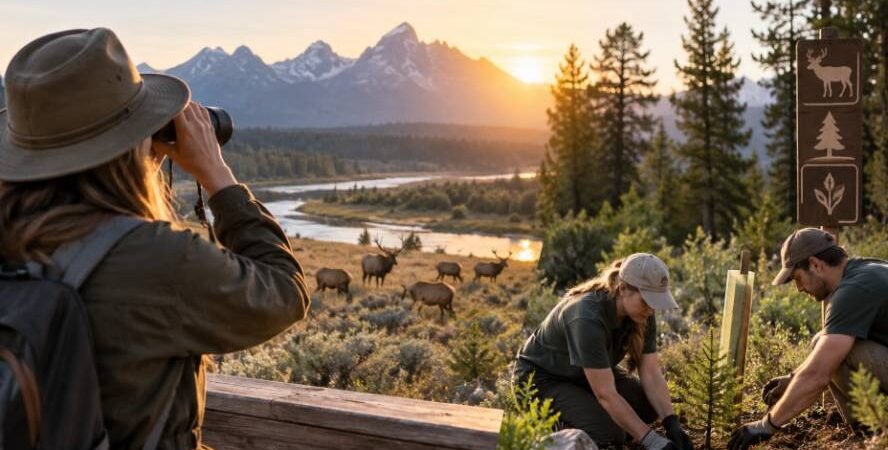
I have noticed that wildlife trips feel different from the experiences I remember seeing advertised years ago. The promise used to center on getting close enough for a photograph or checking a famous animal off a list. Increasingly, the conversation is about what visitors can contribute, how operators protect habitats, and whether an encounter leaves the place better supported than before.
I started paying more attention to what happens behind the experience. A quiet wildlife tour can fund monitoring, habitat work, jobs, or research, while a poorly managed encounter can disturb animals. That contrast explains why wildlife tourism is becoming less about guaranteed sightings and more about responsible participation.
Wildlife Tourism Is Becoming More Purposeful
People still want to see wild animals. Observation remains central to safaris, whale-watching trips, and nature tours. What is changing is its purpose.
A conservation-focused experience connects tourism with outcomes. Revenue may support protected areas, habitat restoration, research, ranger programs, or local projects. Operators can also contribute through monitoring and citizen science. Current wildlife tourism guidance includes restoration, research, education, donations, and direct visitor participation as conservation activities.
The animal is no longer the attraction. Habitat, local communities, and long-term survival become part of the experience.
Conservation Gives Wildlife Tourism a Stronger Economic Role
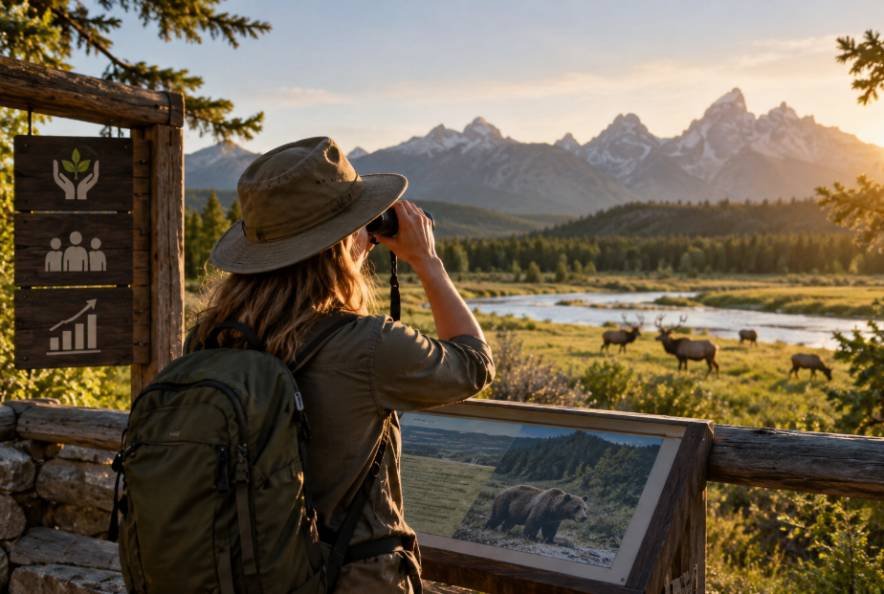
Tourism can create financial reasons to keep wildlife and natural areas protected. When guides, accommodations, transport providers, and community businesses benefit from visitors, a living ecosystem can have economic value beyond short-term extraction.
WWF’s conservation tourism program connects travel with biodiversity protection and community well-being. Tourism can channel money, jobs, and partnerships toward places needing long-term conservation support.
Community involvement matters because conservation cannot operate separately from livelihoods. Local residents may provide guiding, accommodation, transportation, crafts, food, or conservation services. When communities have meaningful participation and fair benefits, tourism can create incentives for coexistence rather than treating wildlife protection as an outside priority.
The model is not automatic. Money alone does not make tourism sustainable. Benefits need to reach communities and projects, while visitor numbers remain within ecological limits.
The Wildlife Encounter Is Changing
Responsible wildlife tourism puts more emphasis on natural behavior. The same principle applies to wildlife photography, where photographers avoid disturbing wildlife by maintaining distance, avoiding pursuit, and allowing animals to behave naturally.
That can mean waiting rather than chasing, keeping an appropriate distance, avoiding feeding, and accepting that an animal may not appear at all.
Those details matter because tourism can alter wildlife behavior. Research has identified concerns involving movement, foraging, stress, habituation, activity patterns, and reproduction. Another conservation framework emphasizes trade-offs among conservation, animal welfare, ecosystem effects, visitor satisfaction, and economic value.
A better encounter may be less predictable. Instead of promising a perfect photograph, an operator can explain why an animal is keeping its distance, why a group must wait, or why a sighting should not be pursued. Interpretation becomes part of conservation rather than background commentary.
Technology Is Bringing Visitors Closer to Conservation Work
Technology is also changing participation. Camera traps, acoustic monitoring, GPS tracking, remote imagery, and digital databases allow researchers to study animals without constant physical contact.
Visitors may encounter these tools through interpretation, conservation programs, or citizen science. They might learn how researchers identify species from images, record observations, or understand movement patterns. Guests see that wildlife protection depends on evidence, patience, and repeated monitoring, not one memorable sighting.
A traveler who understands how data helps track a population may see a landscape differently after returning home.
Communities and Climate Are Part of the Picture
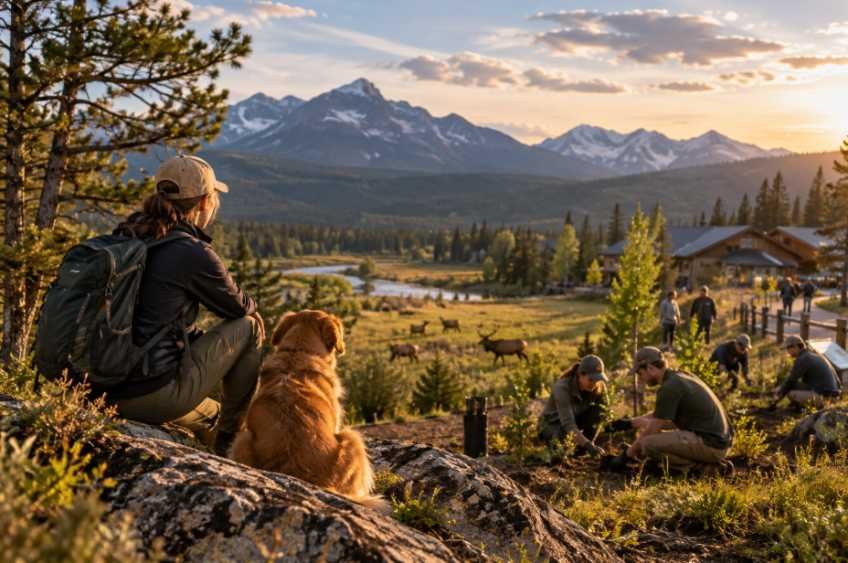
The conservation conversation is widening beyond individual animals. Wildlife depends on functioning habitats facing development, pollution, invasive species, and changing weather patterns.
For marine destinations, tourism can support habitat awareness, responsible boating, research, and visitor education. Programs focused on protecting marine wildlife through tourism connect encounters with broader ecosystem protection rather than treating a whale, turtle, or reef as an isolated attraction.
Climate pressures make this view relevant. Heat, storms, drought, flooding, and changing habitat conditions can affect food, breeding areas, migration, and shelter. Tourism cannot solve these pressures alone, but operators can support habitat resilience, share conservation information, and avoid stress. Efforts become more meaningful when tourism contributes to restoration, monitoring, and preparedness.
The Shift Still Needs Careful Management
Not every experience marketed as conservation tourism creates conservation benefits. An attraction can use environmental language while continuing practices that disturb animals or pressure sensitive habitats.
That is why outcomes matter. Operators should explain where conservation money goes, how interactions are managed, what local partners are involved, and how impacts are reduced. Current guidance also warns against greenwashing and stresses that nature-positive tourism must account for biodiversity beyond popular species.
Visitors have a role too. Choosing smaller groups, protecting wildlife from extreme weather, following distance rules, refusing inappropriate interactions, and supporting transparent operators can shift demand toward better practices.
Frequently Asked Questions
1. Why is wildlife tourism becoming more conservation-focused?
Growing ecological pressures and greater awareness of animal welfare have encouraged tourism businesses to connect visitor spending and experiences with conservation outcomes.
2. Can wildlife tourism actually help endangered species?
Yes, when it is properly managed. Tourism can generate funding, employment, research support, habitat protection, and education, although benefits depend on how programs are designed.
3. Does responsible wildlife tourism mean avoiding animals?
No. Responsible tourism can still involve observation. The difference is that encounters should minimize disturbance and respect natural behavior and habitat conditions.
4. How can travelers support conservation?
Travelers can choose transparent operators, follow wildlife-viewing rules, avoid feeding or touching wild animals, support local businesses, and participate in legitimate conservation programs.
Why the Experience Matters Beyond the Photograph
The biggest change in wildlife tourism is not that observation is disappearing. It is that observation is being asked to do more. A good encounter can create appreciation, but a stronger one connects that appreciation to habitat protection, community livelihoods, research, and responsible behavior. Seeing wildlife becomes part of a larger relationship with the place, rather than the entire purpose of the trip.
That shift makes the experience more demanding for operators and more thoughtful for travelers. A sighting may last minutes, but conservation work can continue for years. Wildlife tourism becomes more meaningful when seeing an animal also leaves people with a reason to help keep its world intact.