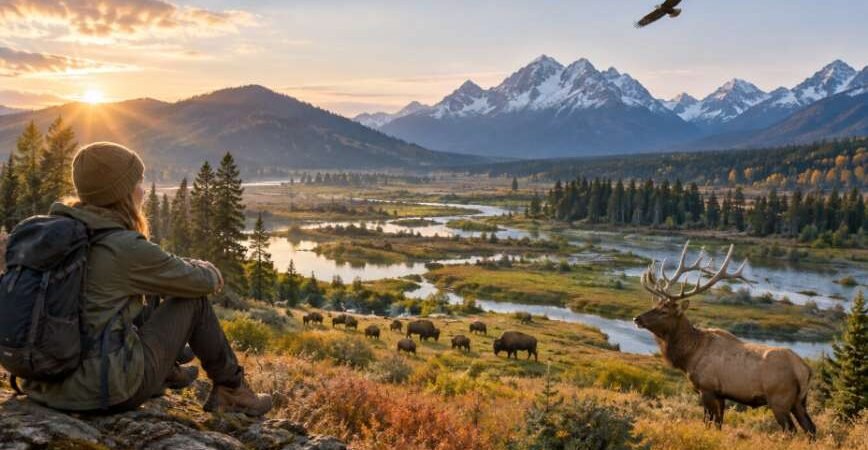
I used to think restoring wildlife meant protecting a patch of land, planting native trees, and keeping people away. Endangered species often need room to move, find food, breed, and respond to seasonal changes. A protected island of habitat can help, but it may not be enough if the surrounding landscape is broken into disconnected pieces.
I also noticed that successful restoration is rarely about making nature look perfect. Healthy ecosystems are messy. Rivers change course, predators influence prey, floods reshape wetlands, and fallen trees become habitat. Rewilding landscapes for endangered species takes that reality seriously. The goal is to rebuild the relationships and natural processes that allow an ecosystem to keep functioning.
What Rewilding Means for Endangered Species
Rewilding is broader than returning an animal to a place where it once lived. The International Union for Conservation of Nature describes rewilding as ecological recovery at scale, emphasizing natural communities, ecological processes, and resilient ecosystems. The approach can include restoring habitat, reconnecting fragmented areas, reducing invasive species, and, where appropriate, reintroducing native species.
That distinction matters for endangered wildlife. A released animal still needs suitable habitat, food, shelter, breeding opportunities, and space to move. Rewilding therefore asks what conditions a species needs to survive without constant intensive intervention.
The work may begin with restoring native vegetation or improving water quality. In other situations, conservationists may remove a barrier, restore a wetland, change grazing patterns, or bring back an important species. The action depends on what disrupted the ecosystem.
Why Connected Landscapes Matter
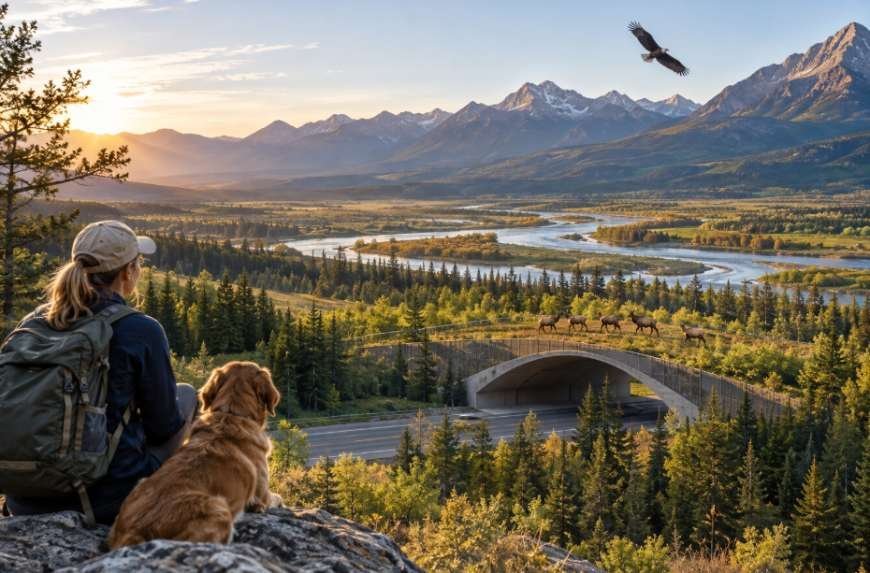
Habitat fragmentation can turn one functioning ecosystem into isolated patches. Roads, development, fences, intensive agriculture, and other land uses can make movement difficult. For endangered populations, isolation can limit access to food and breeding partners while reducing gene flow.
Wildlife corridors help by connecting core habitats. Connectivity can support migration, dispersal, seasonal movement, and genetic exchange. Corridors may follow rivers, restored forests, grasslands, or other landscape features that give animals safer routes between suitable areas.
A population that can move between suitable areas has more options when drought, wildfire, disease, extreme temperatures, or changing food supplies alter local conditions.
What Rewilding a Landscape Can Involve
There is no single rewilding formula. Projects are shaped by climate, geography, species, land ownership, and disturbance history. Common actions include:
- Restoring native forests, grasslands, wetlands, rivers, and other habitats.
- Removing invasive species or barriers that disrupt movement and ecological processes.
- Creating or protecting wildlife corridors between important habitat areas.
- Restoring natural water flow where dams or infrastructure have altered rivers.
- Reintroducing native or keystone species when evidence and local conditions support it.
The last step often gets the most attention, but it is only one part of the picture. Reintroducing a predator without adequate prey or suitable habitat will not recreate a functioning ecosystem.
Yellowstone offers a useful example. Gray wolves were reintroduced in 1995 and 1996 to restore a native predator and its ecological role. National Park Service research continues to examine how wolves influence elk behavior, predation, scavenging, vegetation, and food-web relationships. The evidence also shows why simple cause-and-effect stories can mislead: trophic cascades involve many interacting factors, and researchers continue studying their extent.
How Rewilding Supports Long-Term Recovery
Predators can influence herbivore behavior. Herbivores shape vegetation. Pollinators move between flowering plants. Birds and mammals disperse seeds. Decomposition returns nutrients to soil. Water moves through wetlands, floodplains, and streams.
These interactions create a more resilient system. Connected habitat gives animals opportunities to shift their ranges as conditions change.
Climate change makes this flexibility increasingly relevant. A species may not be able to remain in exactly the same location as temperatures, rainfall, fire regimes, or vegetation communities change. Connected landscapes can provide routes toward more suitable conditions.
Rewilding Has to Work Alongside People
Rewilding does not automatically mean removing every human activity from a landscape, particularly in national parks and other protected areas where visitors are part of the conservation landscape.
People can still visit and experience natural areas through responsible outdoor travel, with factors such as the cost of adventure travel influencing how they plan these experiences.
In the United States, much wildlife habitat exists on privately owned farms, ranches, and forests. Conservation can therefore depend on voluntary practices that make working lands more wildlife-friendly while maintaining productive uses.
That can mean restoring stream buffers, maintaining native vegetation, improving pasture management, protecting migration routes, or using conservation agreements to connect habitat.
Measuring Whether a Rewilded Landscape Is Working
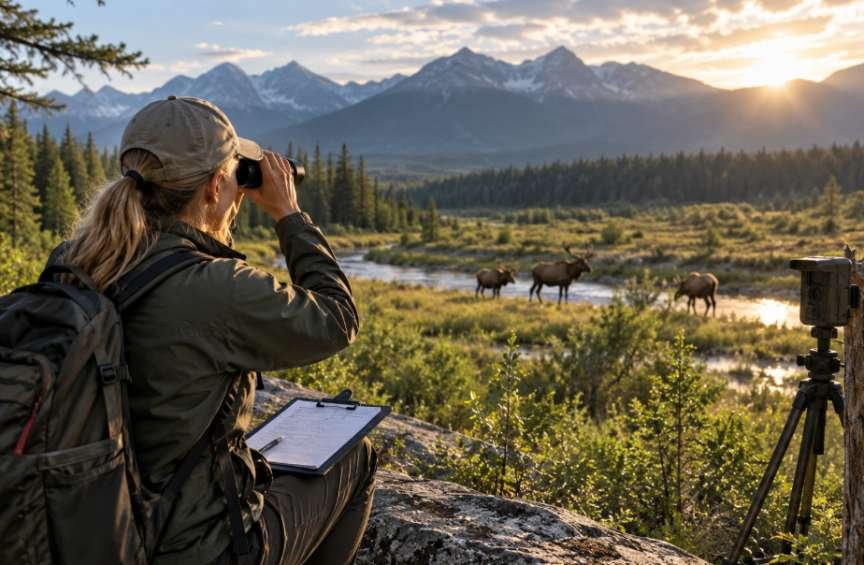
Managers need to watch what happens after restoration begins. Monitoring might track population size, breeding success, habitat condition, animal movement, vegetation changes, water quality, or interactions among species.
That information allows conservationists to adjust their approach. If a corridor is not being used, its design may need to change. If an invasive plant returns, control efforts may need to continue. If a reintroduced species struggles, managers may need to examine food availability, disease, habitat quality, or other limiting factors.
Why Rewilding Can Give Endangered Species More Than a Refuge
Rewilding can reconnect isolated populations, restore ecological relationships, and give wildlife room to respond to environmental change.
The most meaningful result may not be a dramatic reintroduction. It may be a landscape where rivers flow, native plants regenerate, animals move between habitats, and food webs become more complete. Those changes create conditions in which endangered species have a better chance to become part of a functioning ecosystem rather than remain dependent on constant rescue.
Frequently Asked Questions
1. Does rewilding only involve reintroducing animals?
No. Rewilding can include habitat restoration, connectivity, invasive-species management, and restoration of ecological processes. Species reintroduction is only one possible tool.
2. How do wildlife corridors help endangered species?
Corridors connect separated habitats, allowing animals to move, find resources, disperse, migrate, and potentially exchange genes between populations.
3. Can rewilding happen on private land?
Yes. Farms, ranches, forests, and other private lands can support habitat and connectivity through voluntary conservation practices and compatible land management.
4. How long does rewilding take?
There is no universal timeline. Some ecological responses can happen quickly, while population recovery, habitat maturation, and restored food-web relationships may take years.
Why Connected Nature Has Staying Power
Rewilding works toward something deeper than restoring a view of nature. It aims to give ecosystems enough space, connection, diversity, and functioning relationships to keep changing and recovering over time. For endangered species, that can mean moving from survival in isolated refuges toward participation in a living landscape.
Nature does not need to be perfectly controlled to be healthy. Sometimes the most valuable conservation work is creating the right conditions, then allowing ecological relationships to do more of the work.