Standing in a shoulder-to-shoulder throng in Oia, waiting forty minutes just to snap a photo of a blue-domed church, broke my romantic illusion of European travel. When the bill arrived for an unremarkable €18 espresso and a croissant, I realized the bucket-list dream had become an overpriced theme park.
Searching for budget friendly alternative destinations to popular tourist spots is no longer just about penny-pinching; it is the only way to rescue authentic travel.
Finding these swaps isn’t about compromising your experience. It is about locating geographical twins that deliver identical architecture, dramatic vistas, and stellar cuisine without the crushing tourist markups.
The Overcrowded Truth Behind Bucket-List Price Tags
Overtourism distorts local economies. According to visitor density metrics compiled by the Statista Global Tourism Data team, top-tier legacy destinations have seen accommodation rates jump over 35% in three years, while local hospitality quality often plummets due to exhaustion.
I call this phenomenon the Dupe Decay Ratio: the moment an Instagram reel goes viral, a secondary spot has roughly an eighteen-month window before hotel prices spike and cruise ships dock. Getting in ahead of that curve lets you preserve both your sanity and your savings. If your travel style leans toward solitude, identifying remote travel destinations without crowds lets you sidestep tourist infrastructure entirely.
THE DUPE CYCLE
[Undiscovered Gem]
↓ (Early Backpacker Discovery)
[Sweet Spot: 40-60% Savings / Zero Queues] ← (Target Window)
↓ (Viral Social Media Surge)
[Price Surge & Overcrowding]
European Coastline Dupes That Spare Your Wallet
European summers do not require a second mortgage. You can skip the cruise ship ports and still spend your days swimming in turquoise seas.
Skip the Amalfi Coast for Montenegro’s Bay of Kotor
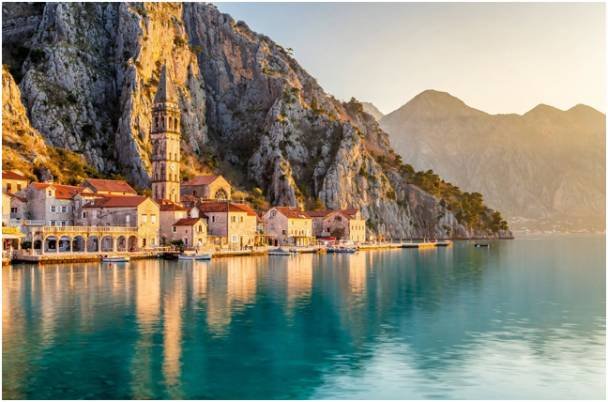
Positano offers pastel houses, sheer cliffs, and bumper-to-bumper bumper cars disguised as taxis. Drive two hours south of Dubrovnik instead, and you hit Montenegro’s Bay of Kotor.
The bay is a submerged river canyon where limestone cliffs plummet straight into the glassy Adriatic Sea. Medieval stone towns like Perast line the shore with authentic Venetian architecture, recognized formally by the UNESCO World Heritage Centre.
During my stay in Kotor, a waterfront stone apartment cost me $68 a night. A dinner of grilled sea bass, local olive oil, and regional Vranac wine came to $22. The exact same meal on an Amalfi terrace easily tops $90, often served with a timed table limit.
Trade Santorini for Paros and Naxos
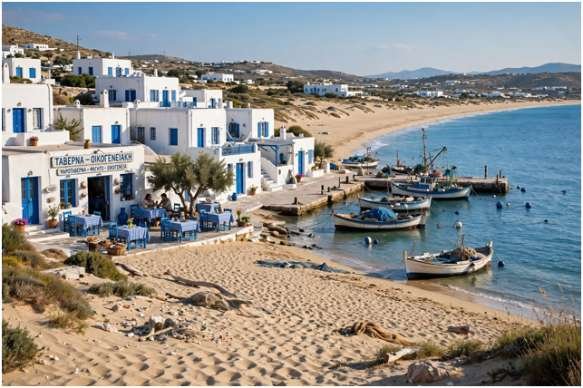
Santorini’s caldera views are famous, but its beaches are mediocre volcanic gravel, and the pedestrian walkways resemble commuter rail platforms at rush hour.
Instead, hop a local ferry to Paros or Naxos. Naxos gives you endless blonde-sand coastlines, working mountain villages where locals actually live, and family-run tavernas serving slow-roasted lamb and local potatoes.
Paros brings the chic, whitewashed Cycladic alleys and vibrant harbors of Mykonos at a fraction of the nightly room rate. You get the quintessential Aegean blue-and-white palette while keeping your daily hotel spend under $95.
Alpine and Highland Escapes Without Swiss Prices
Switzerland’s Jungfrau region is undeniably gorgeous, but spending $42 for a standard bowl of fondue and $180 for a single mountain cogwheel train pass burns through a vacation budget in days.
Why Slovenia Beats the Bernese Oberland
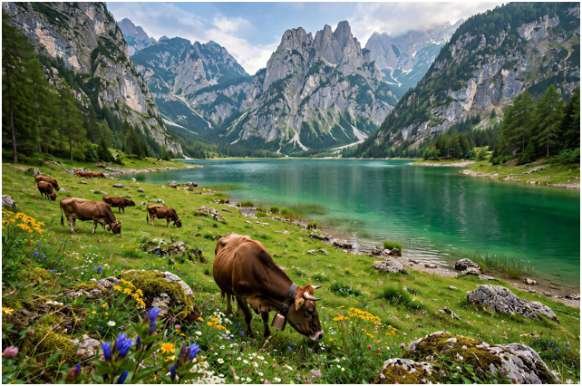
Tucked directly below Austria, Slovenia holds the Julian Alps, centering on Triglav National Park.
Lake Bohinj delivers a deeper, wilder alpine experience than crowded Lake Bled, complete with emerald-green glacial waters framed by sheer limestone peaks. You can hike the Soča River Valley, raft through azure gorges, and sleep in high-elevation mountain huts for around $40 per night including a hearty mountain stew.
Slovenia delivers the crisp air, ringing cowbells, and jagged peaks of the Swiss Alps, but your daily grocery and transport bills remain aligned with Central European averages.
Cultural Capitals and Island Swaps
High flight prices mean your on-the-ground spending needs to work harder once you cross an ocean.
Trade Kyoto for Kanazawa and Tainan
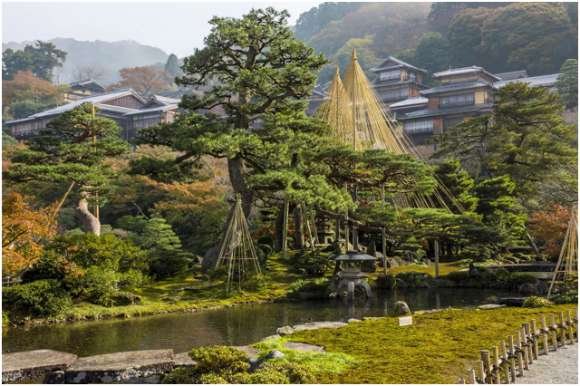
Kyoto’s bamboo groves and historic shrines now face severe crowd control measures and photography bans in residential geisha alleys.
I turned my compass northwest toward Kanazawa. Nicknamed “Little Kyoto,” Kanazawa escaped World War II bomb damage, leaving its historic Higashi Chaya geisha district and Nagamachi samurai quarters beautifully intact.
It also houses Kenroku-en, widely recognized as one of Japan’s three most exquisite landscape gardens. You get bullet-train convenience from Tokyo, pristine traditional culture, and fresh Sea of Japan sushi at everyday market rates.
If you want historic temple culture paired with legendary night-market street food, Tainan in southern Taiwan delivers another brilliant alternative. An entire feast of savory braised pork rice and shrimp rolls rarely exceeds $8.
Swap Bora Bora for Palawan’s Limestone Lagoons
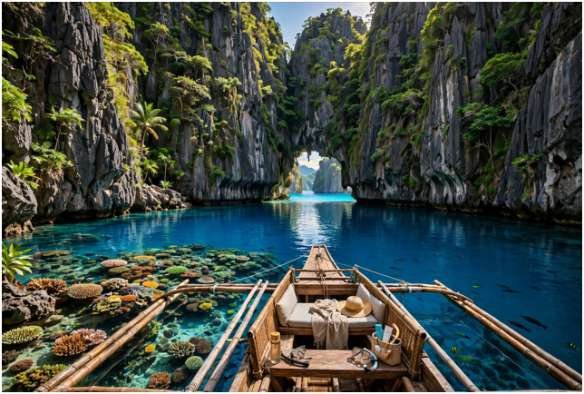
French Polynesia’s overwater bungalows are legendary, but a week-long stay easily crests $10,000.
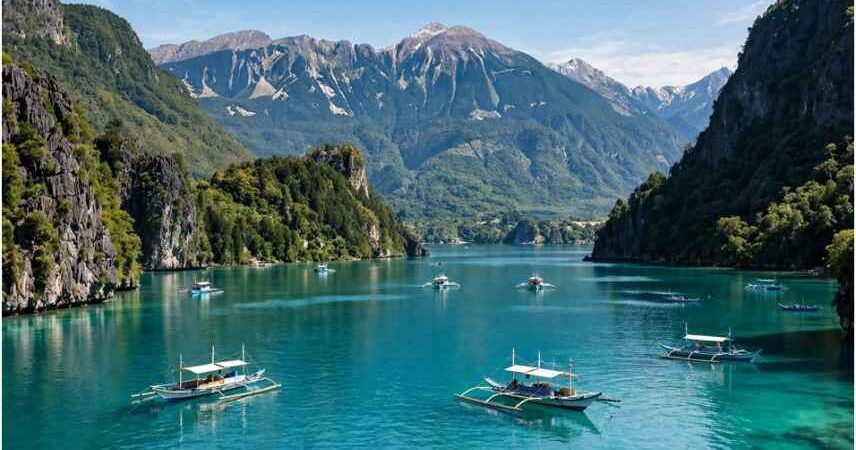
For the same sheer limestone karsts rising out of electric-blue water, head to El Nido and Coron in Palawan, Philippines. Private outrigger boat charters through hidden lagoons and pristine coral reefs cost around $70 per day, rather than the hundreds charged for shared catamaran sails in the South Pacific.
If long-distance transit logistics feel daunting, remember that you do not always need an overseas flight; you can easily plan a 3 week cross country train trip using resources like the Amtrak Vacation Planner to find untamed public lands right across North America.
Daily Cost Showdown: Iconic Hotspots vs. Direct Dupes
Here is an itemized breakdown of typical daily expenses across high-profile icons versus their regional alternatives:
| Destination Style | Iconic Hotspot (Average Daily Cost) | Budget Alternative (Average Daily Cost) | Real Savings |
| Mediterranean Coast | Amalfi Coast, Italy: $380/day (Hotel: $260, Food: $90, Transit: $30) | Kotor, Montenegro: $115/day (Hotel: $70, Food: $35, Transit: $10) | ~70% |
| Cycladic Island | Santorini, Greece: $340/day (Hotel: $230, Food: $85, Transit: $25) | Naxos, Greece: $130/day (Hotel: $80, Food: $40, Transit: $10) | ~62% |
| Alpine Wilderness | Interlaken, Switzerland: $320/day (Hotel: $190, Food: $80, Transit: $50) | Bohinj, Slovenia: $120/day (Hotel: $75, Food: $35, Transit: $10) | ~63% |
| Historic Asia | Kyoto, Japan: $210/day (Hotel: $140, Food: $50, Transit: $20) | Kanazawa, Japan: $110/day (Hotel: $70, Food: $30, Transit: $10) | ~48% |
Ditching Tourist Traps for Real Adventure
The trick to smart travel is realizing that geography does not care about national borders or luxury marketing campaigns. Mountain ranges continue past the lines drawn on tourist brochures, and the Mediterranean Sea laps against affordable fishing ports just as warmly as it does against five-star private resorts.
Skip the staged photo lines, pack your bags for the secondary cities, and put your hard-earned travel cash back into your savings account.
Frequently Asked Questions
1. What is the single cheapest destination dupe in Europe right now?
Albania’s southern coast offers stunning Mediterranean waters and historic ruins at roughly one-third the cost of neighboring Greece or Italy.
2. Do destination dupes lack basic tourism infrastructure?
Most dupes have reliable public transit, modern accommodations, and excellent dining, though English proficiency may be slightly lower outside central transit hubs.
3. How far in advance should I book alternative travel destinations?
Book three to five months out to secure the best boutique stays before peak seasonal rate increases kick in.
4. Are regional alternative spots safe for solo travelers?
Countries like Slovenia, Japan, Montenegro, and Taiwan consistently post low violent crime rates, making their secondary cities exceptionally safe for independent travelers.