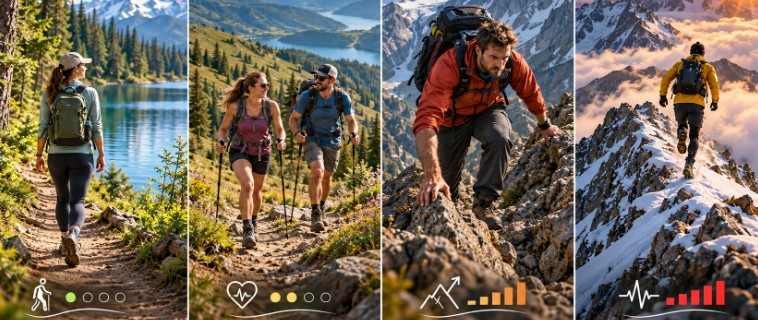
The hardest adventure trip is not necessarily the one with the longest mileage. A six-mile hike at 9,000 feet, under desert heat, carrying a loaded pack can demand far more from your body than a 12-mile walk near sea level.
That is why learning how to choose an adventure trip for your fitness level starts with comparing the trip’s actual physical demands with what your body already does comfortably. Daily distance matters, but so do elevation gain, altitude, terrain, pack weight, consecutive active days, weather, and recovery time.
The National Park Service makes essentially the same point in its hiking guidance: travelers should consider their experience, fitness, ability to carry equipment, terrain familiarity, environmental conditions, and elevation before choosing a route.
Stop Asking “Am I Fit?” and Ask What You Are Fit For
Fitness is activity-specific.mSomeone who cycles 100 miles a week may have excellent cardiovascular endurance but little experience descending steep, rocky trails. A regular weightlifter may be strong enough to carry a backpack yet struggle with six hours of continuous movement.
Adventure travel combines several demands at once. Including finding budget friendly alternatives to famous tourist spots.
A rafting trip may require relatively little sustained walking but enough mobility and core strength to enter a raft, paddle repeatedly, and move over uneven riverbanks. A backpacking trip adds load carrying. A cycling vacation adds repeated hours in the saddle. A high-altitude trek introduces an environmental challenge that ordinary gym fitness cannot eliminate.
The American Hiking Society advises hikers to plan around their current fitness ability, rather than the fitness level they hope to have by departure. Starting with smaller outings and gradually increasing difficulty provides a much more realistic benchmark.
Build a Personal Fitness Baseline First
Before looking at destinations, examine a normal week. The CDC recommends that adults generally accumulate at least 150 minutes of moderate-intensity aerobic activity each week, plus muscle-strengthening work on two days. That is a useful health benchmark, but meeting it does not automatically prepare someone for a demanding backcountry trip.
Record what you can comfortably do now.
Consider how long you can walk continuously, how often you exercise each week, whether you routinely climb hills or stairs, how you feel the following morning, and whether you have recently carried a backpack.
Then compare yourself with a practical trip spectrum:
| Current activity pattern | Adventure trips worth considering |
| Mostly sedentary or occasional walking | Short nature walks, wildlife trips, supported sightseeing adventures, gentle paddling |
| Light exercise several days weekly | Easy hiking, recreational cycling, beginner rafting, short active itineraries |
| Regular cardio and strength training | Moderate trekking, multi-day cycling, longer kayaking, hut-to-hut hiking |
| Frequent endurance training | Long trekking days, significant elevation gain, backpacking, demanding multi-sport trips |
| Advanced endurance plus technical experience | High-altitude expeditions, strenuous backcountry routes, technical adventure travel |
These are starting points, not universal ratings. Outfitters use terms such as “easy,” “moderate,” Level 2, or Level 4 differently.
Use the Five-Number Trip Test
The most useful way to evaluate a tour is to ignore the marketing description temporarily and find five numbers.
1. Daily movement time
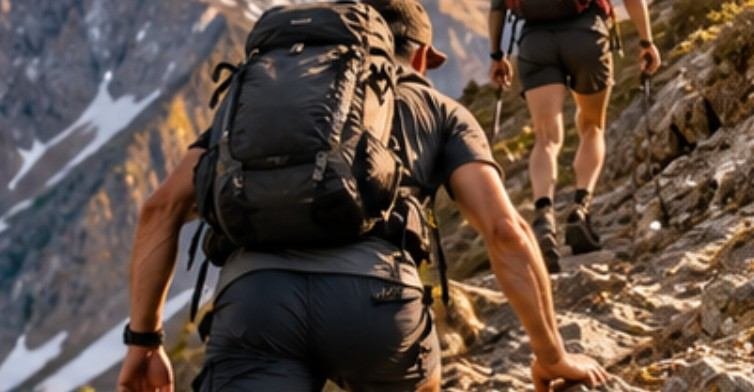
A trip involving three hours of activity is fundamentally different from one requiring seven hours every day. More importantly, ask whether demanding days occur consecutively. Completing one six-hour hike on Saturday does not prove that you will comfortably repeat it Sunday through Thursday.
2. Elevation gain
Miles alone hide difficulty. Five miles with 2,500 feet of climbing can be substantially harder than a longer, flatter route. Look at both total ascent and the steepness of individual sections.
3. Maximum altitude
Elevation deserves its own category because cardiovascular fitness does not make someone immune to altitude illness. The Wilderness Medical Society notes that unacclimatized travelers can develop altitude illness when ascending above roughly 2,500 meters, or about 8,200 feet, although individual responses vary considerably.
The National Park Service similarly warns travelers to allow time for acclimatization when heading significantly higher than elevations they normally experience.
4. Weight carried
A supported inn-to-inn hike where luggage is transferred each morning is different from carrying 25 pounds across the same mountains. Ask exactly what you will carry: water, lunch, camera equipment, rain gear, overnight equipment, or a full backpack.
5. Terrain
Smooth dirt, loose scree, sand, snow, boulder fields, river crossings, mud, and rocky descents place different demands on muscles and balance. Terrain can become the limiting factor even when cardiovascular fitness is adequate.
Try a Real-World Simulation Before Booking
One of the best tests costs almost nothing. Recreate a scaled version of the trip near home.
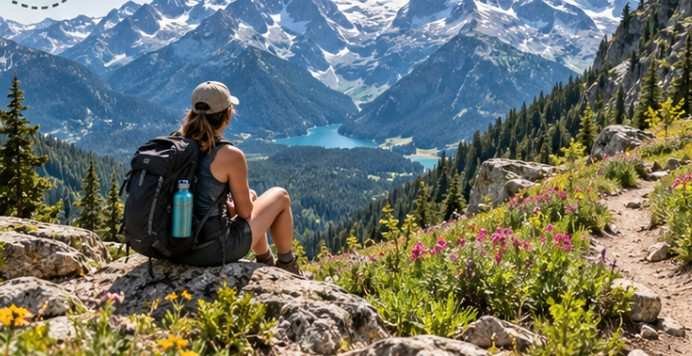
If you are considering a vacation involving small towns for regional exploration involving five-hour hiking days, complete a three- to four-hour hike over comparable terrain while carrying the pack weight you expect to use. Then perform another moderate activity the next day. Pay attention to more than whether you finished.
Could you maintain a comfortable pace? Were your knees painful on descents? Did you develop blisters? Were you exhausted for two days afterward? Could you eat and hydrate normally while moving?
The American Heart Association’s intensity guidance offers another simple check. At moderate intensity, breathing becomes harder but conversation remains possible; vigorous exercise makes sustained conversation much more difficult.
For most recreational adventure vacations, spending every hour gasping at vigorous intensity is a warning that the itinerary may exceed your current conditioning.
Environment Can Change the Difficulty Overnight
A “moderate” itinerary on paper can become strenuous under different conditions.
Heat is a classic example. The National Park Service notes that high humidity, strenuous activity, dehydration, and high elevation can all increase heat-related illness risk. Travelers should consider both the physical activity and the environment where it will occur.
This matters across the United States.
A summer hike in Arizona, humid trail in Florida, high-elevation route in Colorado, and winter trek in the Rockies cannot be compared purely by mileage.
Weather, sun exposure, water availability, altitude, technical surfaces, and emergency access all change the actual workload.
When Choosing One Level Easier Makes Sense
There is no prize for selecting the highest difficulty category you can technically survive.
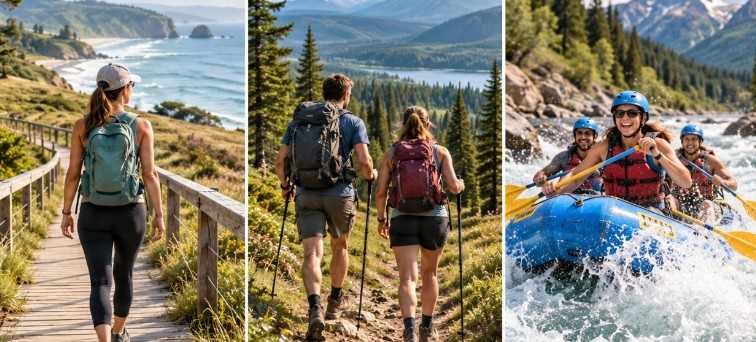
Choose a more conservative itinerary when the trip introduces several unfamiliar stresses simultaneously—for example, your first multi-day trek, first high-altitude vacation, first backpacking experience, or first adventure in extreme heat.
The same applies when recovery matters. Someone may physically complete six hours of hiking but enjoy the vacation far more on a four-hour itinerary that leaves energy for sightseeing, meals, photography, or family time.
That distinction is often overlooked: adventure travel is not an athletic test unless you specifically want it to be.
When Fitness Ratings Are Not Enough
A fitness chart cannot account for every traveler.
People with cardiovascular, respiratory, orthopedic, metabolic, balance, or other medical concerns may need individualized guidance before undertaking strenuous activity, altitude exposure, or remote travel.
Medication can also affect exercise response. Even heart-rate formulas have limitations; the American Heart Association notes that some medications change heart-rate responses during exercise.
Technical competence matters separately. Being exceptionally fit does not replace navigation experience, paddling skills, climbing ability, avalanche knowledge, wilderness judgment, or familiarity with specialized equipment.
Frequently Asked Questions
1. How fit should I be for an adventure vacation?
You should comfortably manage activities resembling the trip’s daily duration, terrain, and intensity. Ideally, test yourself on comparable local outings before departure rather than relying only on gym workouts.
2. Can beginners take adventure trips?
Yes. Supported walking tours, beginner rafting, easy cycling, wildlife adventures, and shorter guided hikes can offer substantial adventure without requiring advanced endurance or technical experience.
3. How much should I train before a hiking trip?
It depends on the itinerary. Gradually build walking duration, hills, strength, and pack carrying until your training begins to resemble the trip’s actual demands.
4. Does being physically fit prevent altitude sickness?
No. Strong cardiovascular fitness does not guarantee protection from altitude illness. Acclimatization, ascent rate, altitude reached, and individual susceptibility remain important factors.
Match the Trip to the Body You Have Now
The best adventure vacation should stretch your abilities without turning every day into damage control.
That is the central lesson behind how to choose an adventure trip for your fitness level: compare measurable demands instead of trusting labels. Check daily activity time, climbing, altitude, terrain, load, weather, and consecutive hard days. Then simulate part of the itinerary before committing.
Fitness can improve before departure, but bookings should not depend on becoming an entirely different athlete. Choose a trip your current body can realistically prepare for, and you are far more likely to remember the landscape instead of simply remembering how tired you were.