I spent my early twenties elbowing through packed viewpoints in Venice and waiting in two-hour shuttle queues at Zion. That superficial sightseeing burned me out. True adventure began only after I sought out isolated landscapes where silence replaces idling tour buses.
Finding the best remote travel destinations without crowds requires swapping resort conveniences for logistics, self-reliance, and careful timing.
From windswept sub-Arctic fjords to strictly managed subtropical coral atolls, these isolated corners deliver complete peace.
Island Sanctuaries with Regulated Seclusion
Natural isolation alone rarely keeps crowds away anymore. The most peaceful islands protect their solitude through deliberate preservation policies or regional geography.
Lord Howe Island, Australia: The 400-Visitor Cap
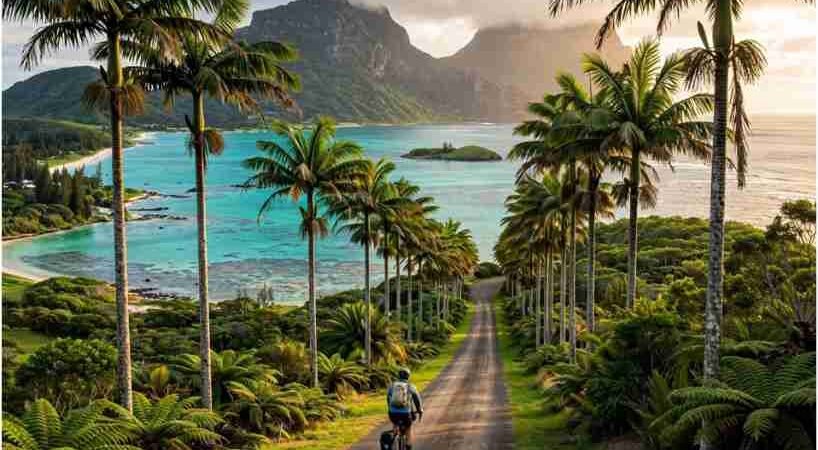
Lying roughly 370 miles off the coast of New South Wales, this volcanic crescent feels preserved in amber. The local board enforces a strict cap of just 400 visitors at any single time. You cannot board a flight without a confirmed accommodation booking, which keeps the island blissfully uncrowded.
Cycling down shaded lanes bordered by Kentia palms, I went entire afternoons seeing only resident birds. The surrounding marine park shelters the southernmost coral reef system in the world, recognized by the UNESCO World Heritage Centre for its untouched biodiversity. Visiting Lord Howe Island demands early booking, but the payoff is world-class diving without another boat in sight.
Côn Sơn Island, Vietnam: Coastal Solitude
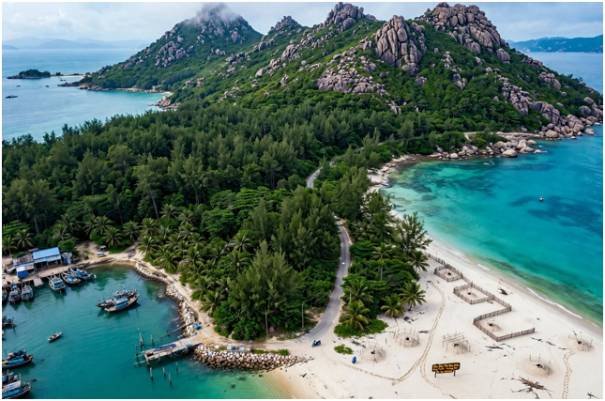
While mainstream crowds flock to Phú Quốc, the Côn Đảo archipelago remains quiet. Côn Sơn, the largest island, combines coastal granite peaks with deserted stretches of sand.
Renting a small scooter allowed me to circle the coastline without hitting traffic. Dense evergreen forests meet turquoise bays where sea turtles still nest undisturbed. The island’s isolated setting keeps large cruise operators away, preserving its quiet fishing harbors and open roads.
Unforgiving Alpine and Arctic Wilderness Trails
True isolation often demands physical effort. Mountain passes and sub-Arctic tundra create natural filters that keep tour groups at bay.
Hornstrandir Nature Reserve, Iceland: Complete Roadless Autonomy
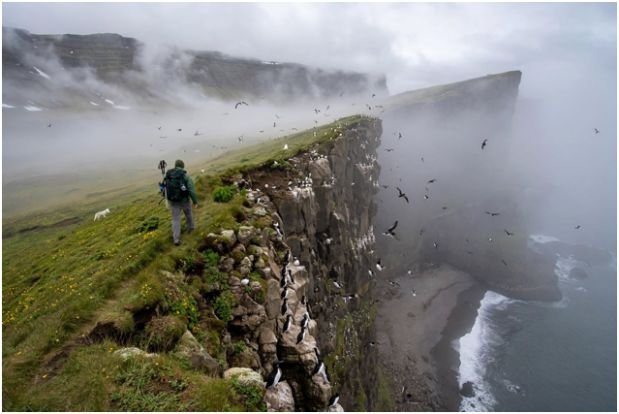
Located in the northernmost tip of Iceland’s Westfjords, Hornstrandir has had no permanent inhabitants since 1952. There are zero roads. You arrive via passenger ferry from Ísafjörður, stepping onto pebble beaches with every scrap of gear on your back.
Hiking along the 1,500-foot sea cliffs of Hornbjarg, I shared the ridgelines exclusively with nesting seabirds and curious Arctic foxes. This landscape offers zero cellular signal and no resupply points. Per guidelines from the Environment Agency of Iceland, all trekkers must practice strict Leave No Trace principles, pack out waste, and camp only in designated clearings.
Zanskar Valley, India: High-Altitude Isolation
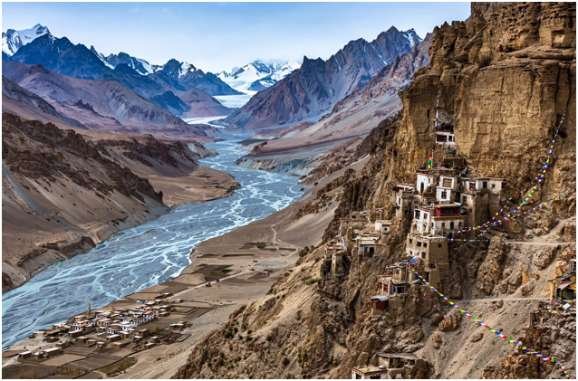
Deep in the Ladakh region, Zanskar sits behind high Himalayan passes that remain snowbound for over seven months each year. The terrain is arid, windswept, and dramatic.
Reaching Zanskar requires rough overland travel in high-clearance 4WD vehicles. In villages like Padum and near cliffside monasteries like Phugtal, life moves at a deliberate, century-old pace. The thin air, prayer flags, and immense glacial valleys reward travelers seeking quiet cultural immersion.
Expansive Deserts and Frontier Vistas
Vast expanses offer silence through sheer geographic scale. In these regions, human settlements sit hours apart across gravel roads and dunes.
The Namib Desert, Namibia: Monolithic Dunes
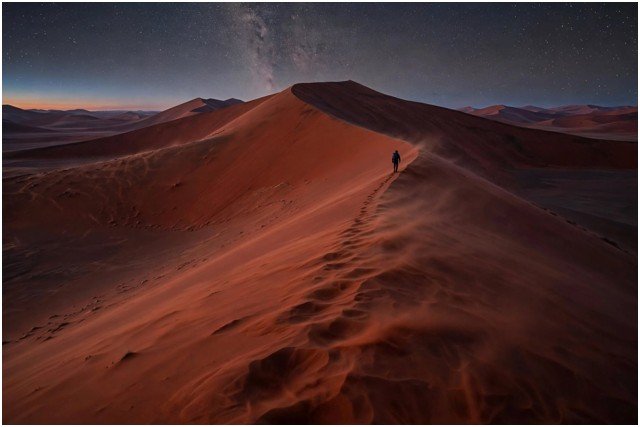
Namibia maintains one of the lowest population densities of any nation on Earth. Driving across the Namib Desert feels like traversing the surface of Mars.
Waking before dawn to climb the rust-red dunes of Sossusvlei, I watched the morning wind erase every previous footprint. At night, the lack of artificial light turns the sky into an unbroken field of stars. You will need a reliable 4WD vehicle, two spare tires, and ample drinking water, but you gain horizons entirely free of crowds.
Karakalpakstan, Uzbekistan: The Vanishing Sea
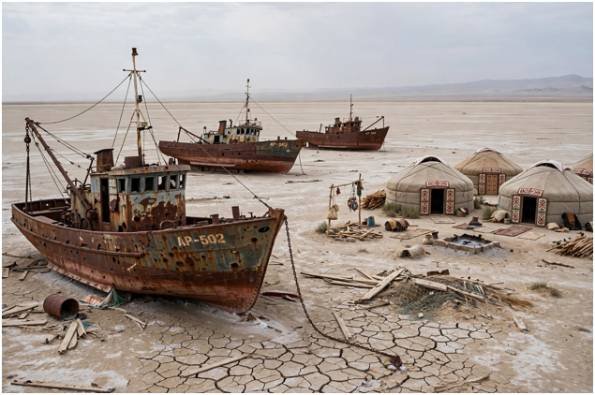
In western Uzbekistan, the autonomous republic of Karakalpakstan draws few conventional vacationers. It offers open plains and an eerie reminder of environmental change.
Traveling across the dry seabed of the former Aral Sea to the port town of Moynaq brings you past rusting fishing trawlers stranded in the desert sand. Staying in traditional felt yurt camps near the remaining water showcases endless flat plains and stark silence.
If you enjoy long, scenic overland transits, consider learning how to plan a 3 week cross country train trip to master slow-paced logistics.
Essential Logistics and Safety Comparison
Planning travel to isolated locations requires matching your personal skill set to environmental demands.
| Destination | Primary Isolation Mechanism | Transport Requirements | Required Survival Logistics | Recommended Season |
| Lord Howe Island | 400-person quota | Scheduled flight (Sydney/Brisbane) | Advance lodging confirmation | Sep – May |
| Côn Sơn Island | Offshore island geography | Domestic flight or coastal ferry | Scooter navigation skills | Nov – Feb |
| Hornstrandir | Roadless sub-Arctic wilderness | Scheduled passenger ferry | Satellite communicator, 4-season tent | Late Jun – Mid Aug |
| Zanskar Valley | High Himalayan passes | High-clearance 4WD | Altitude acclimatization, cash reserves | Jun – Sep |
| Namib Desert | Arid landscape scale | 4WD with dual spare tires | Satellite phone, emergency rations | May – Oct |
| Karakalpakstan | Remote frontier basin | Private 4WD expedition | Local translator, desert water stores | Apr – May, Sep – Oct |
Frequently Asked Questions About Crowd-Free Remote Travel
1. What defines a genuinely remote travel destination?
A destination is truly remote when it lacks conventional road networks, limits daily arrivals, or demands complete logistical self-sufficiency.
2. Are remote destinations safe for solo travelers?
Yes, provided you carry backup navigation tools, satellite communications, and contingency supplies for weather disruptions.
3. How do strict visitor caps benefit remote travel spots?
Visitor limits prevent habitat degradation, protect endangered fauna, and preserve the tranquil atmosphere that travelers seek.
4. Do I need satellite communications for wilderness trips?
Carrying an active two-way satellite messenger is essential in roadless destinations like Hornstrandir where cellular towers do not exist.
Ditch the Crowds, Pack Your Compass
Stepping away from well-trodden tourist hubs requires extra legwork, strict environmental discipline, and tolerance for unpredictable delays.
The trade-off is unmatched: morning cliff walks accompanied only by sea mist, unbroken desert skylines, and genuine solitude.
Pick a destination that challenges your comfort zone, secure your permits early, and leave every trail cleaner than you found it.