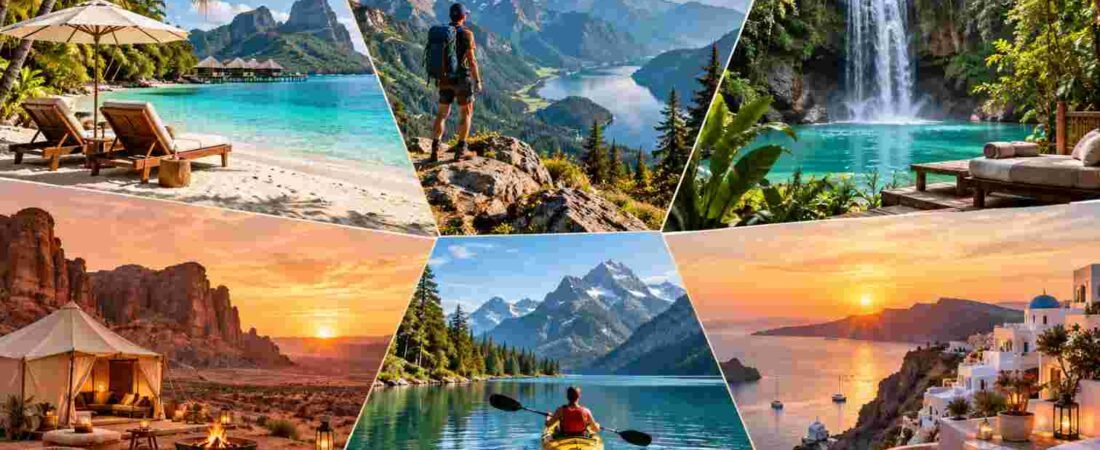
The smartest adventure vacation may be the one with deliberate empty space. A systematic review of 12 studies found that nature exposure was linked with lower physiological stress in all seven studies measuring physical stress markers, while five of six studies measuring perceived stress also found reductions. That helps explain why the best places to travel for adventure and relaxation pair demanding experiences with beaches, hot springs, lakes, spas, or quiet scenery.
For US travelers, the best choices minimize friction: get active one day, recover the next, and avoid constant hotel changes or long transfers.
What Makes a Destination Work for Both?
I look for three things: meaningful adventure, recovery built into the landscape, and simple logistics. A strong mixed trip supports different energy levels without turning the vacation into an endurance event.
The smartest destination is not necessarily the one with the most activities. It is the one where an ambitious morning and a genuinely slow afternoon can happen without reorganizing the entire trip.
For travelers trying to balance memorable experiences with overall trip costs, exploring budget-friendly alternative destinations to popular tourist spots can also help create more room for both adventure and downtime.
1. Maui, Hawaii: Ocean Adventure Meets Beach Recovery
Maui makes it easy to alternate intensity. Snorkeling, surfing, paddling, hiking, and seasonal whale watching can fill the active side of a trip, while beaches, resort pools, and sunset dinners create a natural reset.
NOAA says Hawaiian sanctuary waters support snorkeling, diving, paddling, surfing, boating, and whale watching. More than half of North Pacific humpback whales seasonally use Hawaiian waters as an important winter breeding and calving area.
One major morning activity plus an unstructured afternoon usually works better than stacking several high-energy experiences into one day.
2. Yosemite, California: Serious Hiking Without Constant Effort
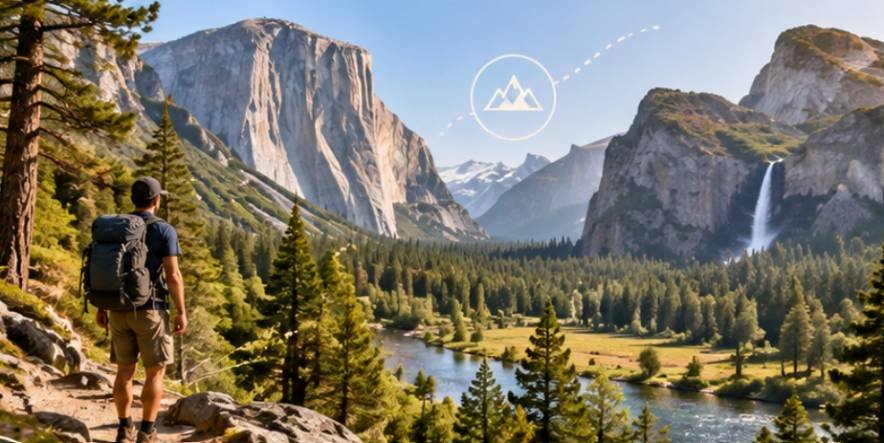
Yosemite is famous for strenuous hikes, yet it also rewards slow days. A challenging climb can be followed by an easy meadow walk, a picnic near the Merced River, a short waterfall trail, or a leisurely day in Yosemite Valley.
The National Park Service reports more than 800 miles of hiking trails, with almost 95% of Yosemite designated Wilderness. That range gives groups with different fitness and energy levels far more flexibility.
Timing matters. Yosemite waterfalls are generally strongest during spring snowmelt, with peak runoff often occurring in May or June. Some waterfalls can become very small by August. Plan around the scenery you most want to experience rather than assuming every season looks the same.
3. Sedona, Arizona: Red-Rock Activity With Built-In Wellness
Sedona combines trail access with a strong wellness culture. Hiking, mountain biking, sunrise viewpoints, and canyon routes provide movement, while spas, yoga, desert-view pools, and scenic drives make recovery easy.
It is especially practical for shorter US trips because active and restful experiences sit close together. Travelers can spend the morning exploring red-rock terrain without sacrificing the entire afternoon to transportation.
Spring and fall are generally more comfortable for extended outdoor activity than peak summer heat. An early hike followed by a pool, spa treatment, or shaded lunch is often a better itinerary than trying to stay active through the hottest hours.
4. Costa Rica: Rainforest Thrills, Hot Springs, and Beaches
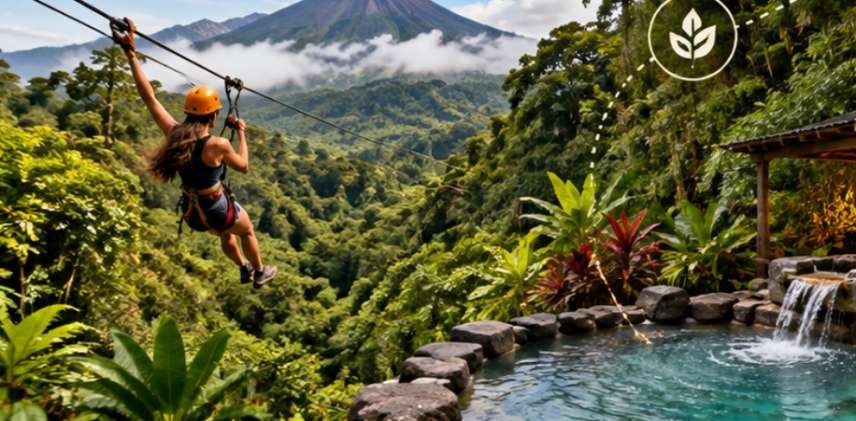
Costa Rica works because its adventure and relaxation experiences naturally complement each other. Around Arenal and Monteverde, travelers can zip-line through forest canopy, hike volcanic terrain, cross suspension bridges, and look for tropical wildlife. Geothermal hot springs create an obvious recovery option afterward.
A Pacific-coast stay changes the pace again. Surfing remains available for travelers who want another physical challenge, while beach afternoons and sunset dinners make slowing down effortless.
There is also a current planning consideration. In September 2026, the CDC’s Costa Rica traveler information lists enhanced precautions related to chikungunya in northwest Costa Rica and advises travelers to protect themselves from mosquito bites. Check current health guidance again immediately before travel because conditions can change.
5. Queenstown and New Zealand’s South Island: Adrenaline With Space to Exhale
Queenstown is built around contrast. Bungee jumping and jet boating provide concentrated adrenaline, while mountain trails offer a slower, endurance-focused challenge.
The same region shifts easily into recovery mode through calm lake cruises, scenic drives, vineyards, and quiet stays around Central Otago. That makes the South Island particularly rewarding when travelers resist turning every day into a road-trip marathon.
For Americans, distance is the biggest drawback. New Zealand makes more sense when the trip is long enough to absorb the flight, jet lag, and several deliberately unscheduled periods instead of squeezing the destination into a rushed itinerary.
6. Switzerland: Alpine Challenge Without Giving Up Comfort
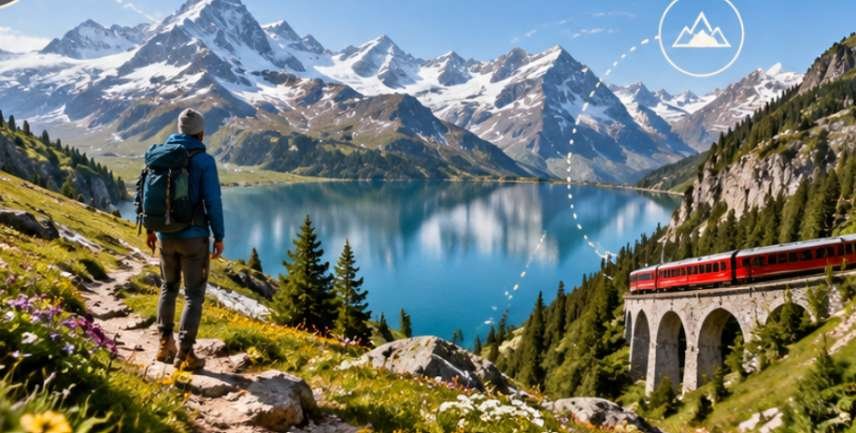
Switzerland suits travelers who want dramatic mountains without needing to hike every day. Alpine trails and mountain biking can provide serious physical challenges, while scenic trains, lakes, cable cars, and mountain spa hotels keep rest days rewarding.
UNESCO says the Swiss Alps Jungfrau-Aletsch World Heritage property covers 82,400 hectares and contains the most glaciated portion of the Alps, including the Aletsch Glacier. That means visitors can experience enormous alpine scenery even on days when strenuous hiking is off the schedule.
The main limitation is cost. Budget for rail travel, mountain lifts, and intentional comfort upgrades instead of assuming every recovery day will be inexpensive.
Quick Comparison of Adventure and Relaxation Destinations
| Destination | Adventure | Relaxation | Best Fit |
| Maui | Surfing, snorkeling, hiking | Beaches, resorts | Couples, ocean lovers |
| Yosemite | Hiking, climbing | Meadows, valley walks | Hikers, road trippers |
| Sedona | Hiking, biking | Spas, desert downtime | Short US escapes |
| Costa Rica | Zip-lines, volcano hikes, surfing | Hot springs, beaches | Nature travelers |
| Queenstown | Bungee, jet boating, trekking | Lakes, wine country | Adrenaline seekers |
| Switzerland | Alpine hiking, biking | Trains, lakes, spas | Scenic comfort travelers |
Use the 3-2-1 Test Before Booking
A practical way to judge the best places to travel for adventure and relaxation is the 3-2-1 test: plan no more than three major adventure experiences, protect two half-days for genuine recovery, and keep one weather-proof backup activity.
When planning those recovery periods, choosing best remote travel destinations without crowds can also make it easier to enjoy quiet scenery and downtime without constantly competing with large tourist groups.
That backup might be a spa visit, museum, scenic train, food experience, winery, or easy town day. It prevents bad weather from turning a carefully planned vacation into a disappointment.
Next, check geography. A bargain hotel that adds two hours of driving every day may save money while making the trip substantially more tiring.
Finally, plan for the least-active traveler in the group. Destinations offering several activity levels usually work better than places where everyone must choose between a difficult excursion and staying behind.
Frequently Asked Questions
1. What are the best places to travel for adventure and relaxation in the US?
Maui, Yosemite, and Sedona stand out because they combine substantial outdoor activities with beaches, scenic walks, spas, pools, or other easy recovery options.
2. Is Costa Rica better for adventure or relaxation?
It supports both. Use rainforest or volcano regions for adventure, then add geothermal hot springs or a Pacific beach stay for slower days.
3. How many major activities should I plan for a one-week trip?
Three major adventure days are enough for many travelers. Alternate them with lighter days so soreness, weather changes, or travel fatigue do not derail your itinerary.
4.Which international destination combines comfort and mountain adventure?
Switzerland is especially convenient because alpine trails, scenic rail, lakeside towns, mountain lifts, and spa hotels can fit into one trip without constant long-distance driving.
The Best Trips Leave Room for Nothing
The most memorable vacation is rarely the one with the longest activity list. I would choose a place where the scenery still feels special on the day I decide not to climb, paddle, or rush anywhere.
Maui, Yosemite, Sedona, Costa Rica, Queenstown, and Switzerland deliver that balance in different ways. Book the adventure first, then protect recovery time with equal seriousness. A vacation should send you home with stories, not the need for another week off. The right destination gives you both the rush and the reset.