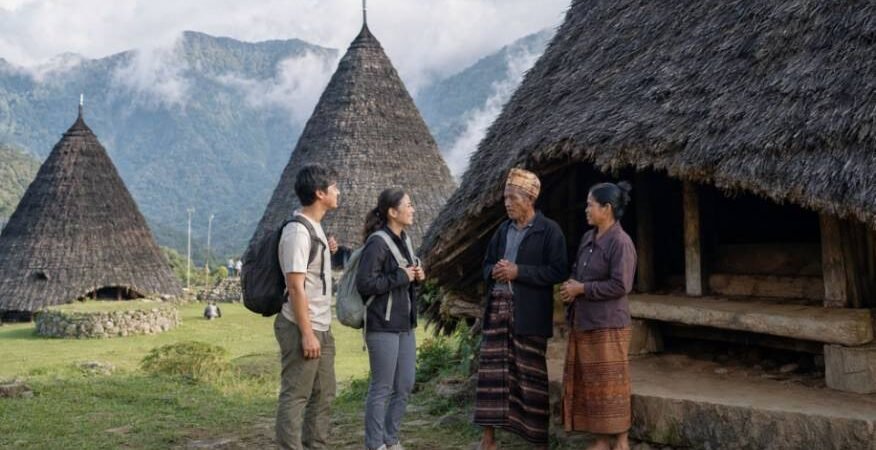
New Mexico is home to 23 federally recognized Tribes, Nations, and Pueblos, including 19 Pueblos, three Apache tribes, and the Navajo Nation. That makes the state one of the most meaningful places in the United States to learn about Indigenous history, artistic traditions, and living cultures.
When I explore native american museums in New Mexico, I look for places that do more than display historic objects. The most memorable institutions connect ancestral knowledge with contemporary Native voices, art, foodways, language, and community life. From Santa Fe’s famous Museum Hill to Pueblo-operated cultural centers farther west, these eight destinations deserve a place on a New Mexico itinerary.
What Are the Best Native American Museums in Santa Fe?
Santa Fe is the state’s strongest hub for Indigenous art museums. Several important institutions sit close together on Museum Hill, while the IAIA Museum of Contemporary Native Arts is located downtown near the historic plaza.
1. Museum of Indian Arts & Culture
At 710 Camino Lejo on Museum Hill, the Museum of Indian Arts & Culture is one of my first recommendations for understanding Indigenous cultures of the Southwest.
Its collections include more than 70,000 objects, while the major Here, Now and Always exhibition uses Indigenous voices and perspectives to interpret Native life, history, resilience, and creativity. The current exhibition features more than 600 objects, including ceramics, jewelry, paintings, and fashion.
Visitors interested in Pueblo pottery should also explore the Buchsbaum Gallery of Southwestern Pottery. Museum Hill adds outdoor sculpture areas, museum shopping, and a café, making it easy to spend several hours in the district.
2. IAIA Museum of Contemporary Native Arts
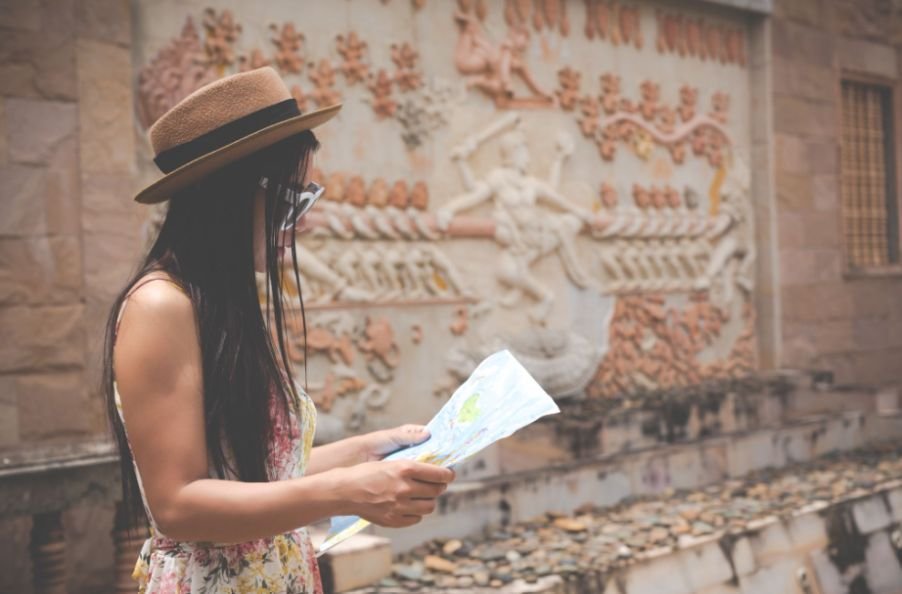
The IAIA Museum of Contemporary Native Arts, or MoCNA, at 108 Cathedral Place offers an entirely different experience.
Rather than concentrating primarily on ancestral artifacts, MoCNA is devoted to contemporary Indigenous art. It stewards more than 9,500 works created from 1962 to the present across painting, sculpture, photography, jewelry, textiles, contemporary apparel, new media, and installations.
I especially recommend MoCNA to anyone who wants to see how Native artists address modern identity, environmental issues, politics, fashion, technology, and cultural continuity.
3. Wheelwright Museum of the American Indian
The Wheelwright Museum at 704 Camino Lejo is another Museum Hill essential.
Founded through a collaboration between Mary Cabot Wheelwright and respected Navajo singer Hastiin Klah, it is New Mexico’s oldest independent nonprofit museum. Its historic modernist building draws inspiration from the form of a Navajo hooghan.
The museum is particularly well known for Southwestern jewelry and for exhibitions combining historic and contemporary Native art. Its permanent jewelry display explores Navajo and Pueblo jewelry traditions, while the Case Trading Post sells work by Native artists. Purchases there directly support artists and their families.
4. Poeh Cultural Center & Museum
About 15 miles north of central Santa Fe, the Poeh Cultural Center at 78 Cities of Gold Road provides a community-centered introduction to Tewa Pueblo culture.
Operated as a center of the Pueblo of Pojoaque, Poeh presents Tewa history, art, pottery, and cultural traditions through exhibitions and educational programs.
One highlight is Di Wae Powa: They Came Back. Through a partnership with the Smithsonian’s National Museum of the American Indian, 100 ancestral Tewa Pueblo pottery vessels returned to the region on a long-term partnership loan.
For me, Poeh is especially valuable because visitors encounter cultural interpretation rooted directly in a Pueblo community.
Where Should I Learn About Pueblo Culture in Albuquerque?
5. Indian Pueblo Cultural Center
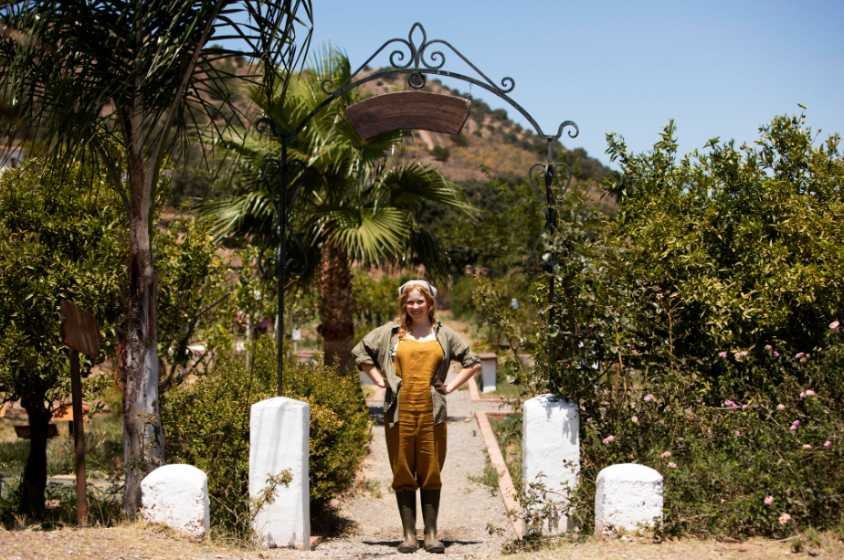
At 2401 12th Street NW in Albuquerque, the Indian Pueblo Cultural Center is one of the best introductions to Pueblo culture for first-time visitors.
The center is entirely owned and operated by New Mexico’s 19 Pueblo tribes, placing Pueblo voices at the center of its storytelling.
Visitors can explore museum galleries, a large collection of murals by Pueblo artists, changing exhibitions, Native art, and We Are of This Place, which examines Pueblo history and identity. The campus also includes the Indian Pueblo Kitchen, where Indigenous foodways become another part of the cultural experience.
The center also presents public cultural dances every weekend throughout the year. These are specifically shared with visitors and should not be confused with Pueblo ceremonial dances, many of which remain private or follow community-specific access rules.
Is Acoma Sky City Worth Visiting for Native History?
6. Sky City Cultural Center & Haak’u Museum
The Sky City Cultural Center and Haak’u Museum at Acoma Pueblo add something that conventional city museums cannot easily provide: a direct connection between museum interpretation and a living Pueblo community.
Haak’u Museum explores Acoma history, art, pottery, textiles, and lifeways. The cultural center describes Acoma as one of North America’s oldest continuously inhabited communities and serves as a gateway to the historic mesa-top settlement known as Sky City.
Guided access to the historic Pueblo has varied in recent years, so I strongly recommend checking the official website before planning the drive. Even when in-person village access is restricted, the cultural center and museum provide important context for Acoma history and contemporary life.
What Native American Art Can I See Near Taos?
7. Millicent Rogers Museum
Near Taos, the Millicent Rogers Museum offers a broad introduction to the arts of the Southwest.
Its collection contains more than 7,000 objects and includes Native American textiles, pottery, baskets, jewelry, and works connected with Navajo, Zuni, Pueblo, Apache, and other Indigenous communities.
A particular strength is Southwestern jewelry, including nearly 1,000 pieces of historic Indigenous jewelry. The museum also holds important pottery associated with Maria Martinez and her family from San Ildefonso Pueblo.
Where Can I Learn About Zuni Culture?
8. A:shiwi A: wan Museum and Heritage Center
Travelers heading toward western New Mexico should consider the A:shiwi A:wan Museum and Heritage Center in Zuni.
Established by Zuni tribal members in 1992, the museum is a Pueblo of Zuni tribal program created for the Zuni people and by the Zuni people. Its exhibitions emphasize A:shiwi ways of knowing while connecting the community’s past with current and future cultural priorities.
That community-led perspective makes it a valuable addition to a statewide cultural road trip.
How Should Visitors Respect Pueblo Museums and Cultural Sites?
Visiting Indigenous museums should come with the same respect I would bring when entering someone’s community or home.
Travelers can also explore Native American cultural sites in New Mexico to learn more about the communities, traditions, and living cultures represented across the state.
Photography rules differ by museum and Pueblo. Homes on Pueblo lands are private, ceremonies may have strict restrictions, and some communities can close to visitors for cultural or religious observances. New Mexico tourism officials and Pueblo organizations both recommend checking conditions before arrival.
Following those rules is not simply good travel etiquette; it helps visitors understand that these are living communities rather than historical attractions.
Travelers can also explore indigenous cultural experiences in Alaska to discover how Native communities share their living cultures through museums, art, traditions, festivals, and community-led experiences.
Frequently Asked Questions
1. Which native american museums in New Mexico are best for first-time visitors?
I would start with the Indian Pueblo Cultural Center in Albuquerque and then visit the Museum of Indian Arts & Culture, Wheelwright Museum, and MoCNA in Santa Fe. Together, they provide a strong introduction to Pueblo history, traditional art, contemporary Indigenous creativity, and living culture.
2. Can I visit several Native American museums in Santa Fe in one day?
Yes. The Museum of Indian Arts & Culture and Wheelwright Museum are both on Museum Hill, making them easy to combine. MoCNA is downtown, so it can be added later in the day if your schedule allows.
3. Where can I see contemporary Indigenous art in New Mexico?
MoCNA in Santa Fe is the strongest dedicated option. Its collection focuses on contemporary Indigenous artists and includes work created from 1962 to the present.
4. How many days should I plan for a New Mexico Native culture trip?
I would allow at least three days for Albuquerque, Santa Fe, and a nearby Pueblo cultural center. Travelers adding Taos, Acoma, or Zuni should plan a longer road trip because distances across New Mexico can be substantial.
A Deeper Way to Experience New Mexico
What makes these museums special to me is the connection between past and present. A centuries-old pot, a contemporary installation, a Pueblo meal, or a public dance can each reveal something different about Indigenous life in the Southwest.
For travelers who want to combine cultural experiences with outdoor activities and downtime, exploring best places to travel for adventure and relaxation can help create a more balanced New Mexico itinerary.
Start with Albuquerque and Santa Fe if you have limited time, but travel farther when your schedule allows. Acoma, Pojoaque, Taos, and Zuni add community perspectives that turn a standard museum trip into a much richer understanding of New Mexico.