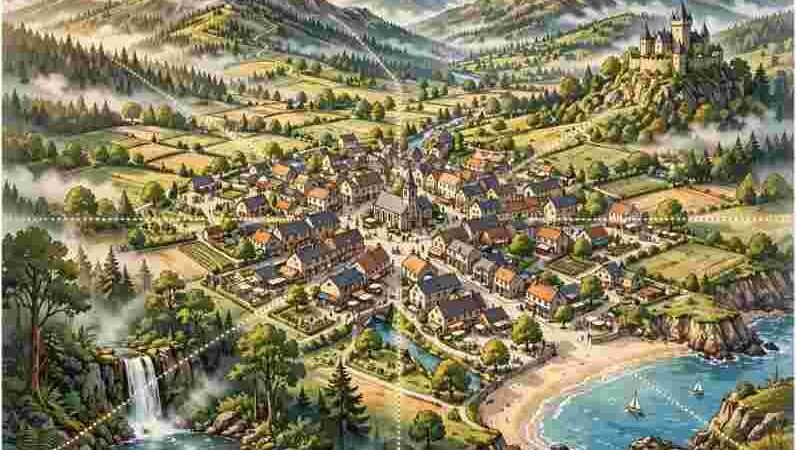
Packing up your suitcase every thirty-six hours ruins the rhythm of travel. I spent years hopping between crowded metropolitan hotels before realizing that the smartest journeys use a central anchor. Finding the best small towns to base yourself for regional exploration gives you affordable lodging, quiet evenings, and direct links to iconic sights. When you anchor in a localized outpost, you sidestep tour buses, support local bakeries, and experience regional life after day-trippers head home.
The Strategic Hub-and-Spoke Travel Method
I organize my travel itineraries around what I call the hub-and-spoke method. Instead of booking five different hotels across one valley, I secure a single base for a week. Every morning, I ride a regional train or drive outward along a single “spoke,” returning each evening to the same familiar room.
Eliminating the Pack-and-Move Tax
Changing accommodations burns half a day between checking out, lugging baggage, and waiting for check-in. Basing yourself in a single village eliminates this hidden cost. You also unlock weekly discounts on self-catering rentals and build rapport with the town butcher, barista, and stationmaster.
If you prefer long rail journeys, you can plan a 3 week cross country train trip using these quiet hubs as natural pause points along major mainlines.
The 75-Minute Transit Rule
My primary rule for selecting a base is strict: your day-trip spokes cannot exceed 75 minutes in one direction. Beyond an hour and fifteen minutes, regional transit shifts from an easy excursion into a draining commute. A top-tier hub must sit at a geographic junction where at least three distinct spokes diverge toward nature, history, or gastronomy.
Top European Hub Towns for Scenic Rail and Road Trips
Europe boasts the densest regional public transit networks on earth. Picking an anchor outside the capital cities keeps your budget intact while unlocking pristine landscapes.
Lauterbrunnen and Wengen: Switzerland’s Alpine Gateways
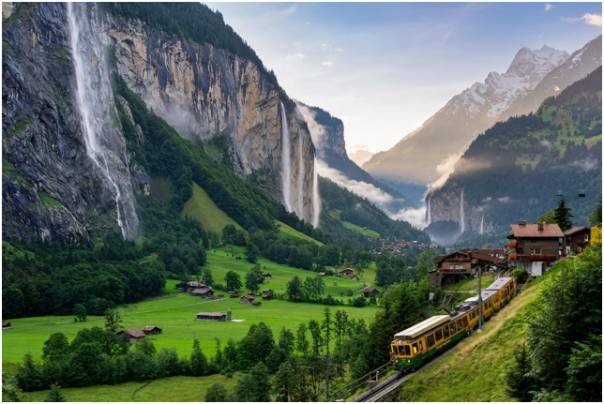
Tucked deep into a glacial canyon framed by 72 waterfalls, Lauterbrunnen serves as the transit nerve center for the Bernese Oberland. From the valley floor, you can board cogwheel trains to car-free Wengen, catch cable cars upward to Mürren, or connect toward Grindelwald.
The Swiss Federal Railways (SBB) synchronizes departures precisely with municipal post buses. I prefer sleeping in Wengen for its serene alpine mornings, dropping down to Lauterbrunnen whenever I need to ride deeper into the Jungfrau peaks.
Rothenburg ob der Tauber: Bavaria’s Medieval Anchor
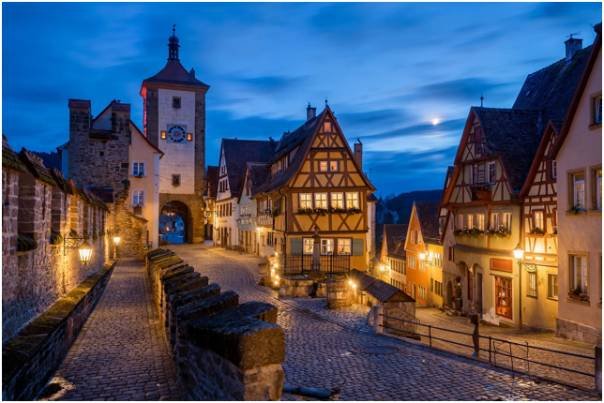
While most visitors visit Rothenburg on a hurried afternoon tour bus, using it as a driving base unlocks northern Bavaria. Its position along the Romantic Road allows you to reach the baroque architecture of Würzburg, the imperial castle of Nuremberg, and the Franconian wine country within an hour. In the evenings, after the tour crowds clear out, you have the cobblestone ramparts entirely to yourself.
Sintra: Portugal’s Atlantic Launchpad

Sintra sits nestled among the forested hills of the Sintra-Cascais Natural Park, just west of Lisbon. While famous for the pastel towers of Pena Palace, it functions as a launchpad for the Estoril coastline. You can take morning drives out to the surfing sanctuaries of Ericeira, explore the windswept cliffs of Cabo da Roca, and return to Sintra’s misty, quiet mountain air by twilight.
Hidden Strategic Bases Across Asia and the Pacific
Venturing outside Europe requires looking for road corridors and trail junctions that preserve local heritage while keeping transit stress-free.
Mandawa and Kasol: India’s Cultural and Mountain Corridors
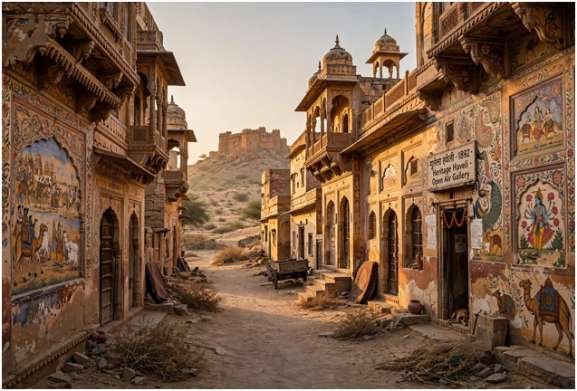
In the arid Shekhawati region of Rajasthan, Mandawa functions as an open-air art gallery. Its dense concentration of frescoed havelis makes it the ideal base for exploring surrounding towns like Nawalgarh and Fatehpur without repacking your bags.
Further north, Kasol sits beside the roaring waters of Himachal Pradesh’s Parvati Valley. It offers trekking trails into untouched hamlets like Chalal and Tosh, making it an essential hub for uncovering remote travel destinations without crowds.
Apollo Bay and Shirakawa-go: Coastal and Alpine Bastions
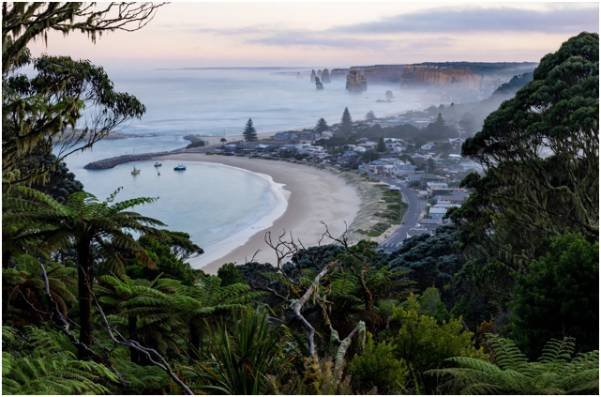
Along Victoria’s southern coast, Apollo Bay delivers a quiet alternative to the bustling tourist towns along the Great Ocean Road. It positions you halfway between the coastal temperate rainforests of the Otways and the limestone sea stacks of Port Campbell, letting you visit the Twelve Apostles at dawn before the Melbourne tour coaches arrive.
In Japan’s Shogawa river valley, the preserved village of Shirakawa-go—recognized by the UNESCO World Heritage Centre—provides access to the feudal carpentry of Takayama and the craft districts of Kanazawa.
Global Base Towns: Transport and Exploration Logistics
Evaluating a base town requires weighing its transit connectivity against its neighborhood amenities. The table below details how these hubs compare for independent regional travel.
| Base Town | Primary Region | Ideal Travel Style | Transit Mode | Target Day-Trip Radius |
| Lauterbrunnen / Wengen | Bernese Oberland, Switzerland | Alpine trekking, mountain photography | Rail, cable cars, cogwheels | Under 45 mins |
| Rothenburg ob der Tauber | Bavaria, Germany | Castle routes, historical architecture | Regional rail, rental car | 45–60 mins |
| Sintra | Estoril Coast, Portugal | Palaces, coastal cliffs, surfing | Commuter rail, coastal roads | 30–50 mins |
| Mandawa | Rajasthan, India | Desert heritage, architecture | Hired taxi, regional bus | 45–70 mins |
| Kasol | Parvati Valley, India | Mountain hikes, river valleys | Walking trails, shared jeeps | 30–60 mins |
| Apollo Bay | Victoria, Australia | Coastal drives, temperate rainforests | Self-drive coastal highway | 40–75 mins |
| Shirakawa-go | Gifu / Toyama, Japan | Alpine villages, mountain folklore | Express highway bus | 50–70 mins |
Frequently Asked Questions About Strategic Base Towns
1. What makes a small town a good base for regional exploration?
A good base town requires a central transit interchange, grocery stores, and diverse attractions within 75 minutes.
2. Is it cheaper to base yourself in a small town than a major city?
Yes, small towns significantly lower accommodation and food expenses while providing lower parking or transit rates.
3. How do I handle luggage when using the hub-and-spoke method?
You leave your main luggage unpacked at your base accommodation and carry only a lightweight daypack on daily outings.
4. Should I rent a car or use public transit from my base town?
Choose trains for dense rail corridors like Switzerland and Germany, but rent a car for coastal routes like Victoria’s Great Ocean Road.
Unpack Once, Explore Everywhere
Constantly changing hotels turns what should be an adventurous journey into an endless exercise in logistics. When you select a strategic base town, you swap hotel checkout deadlines for relaxed morning espressos and spontaneous side trails.
Pinpoint your target region, select a hub that honors the 75-minute transit limit, and settle in. You will discover that staying in one place is the fastest way to truly experience everywhere around it.