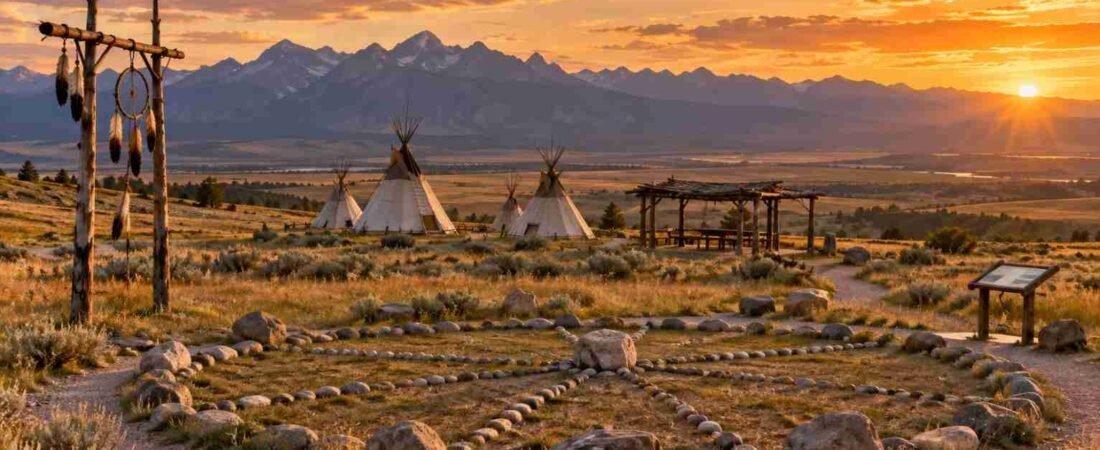
Montana’s mountains, prairies, and river valleys hold stories that long predate statehood. When I travel through the state, I find that some of the most meaningful stops are places where Indigenous history is still connected to living communities and culturally important landscapes.
Visiting native american heritage sites in Montana can help travelers better understand the Apsáalooke (Crow), Blackfeet, Lakota, Northern Cheyenne, Salish, Kootenai, and other Native peoples tied to the Northern Plains.
What Are the Best Native American Cultural Sites to Visit in Montana?
Little Bighorn Battlefield National Monument
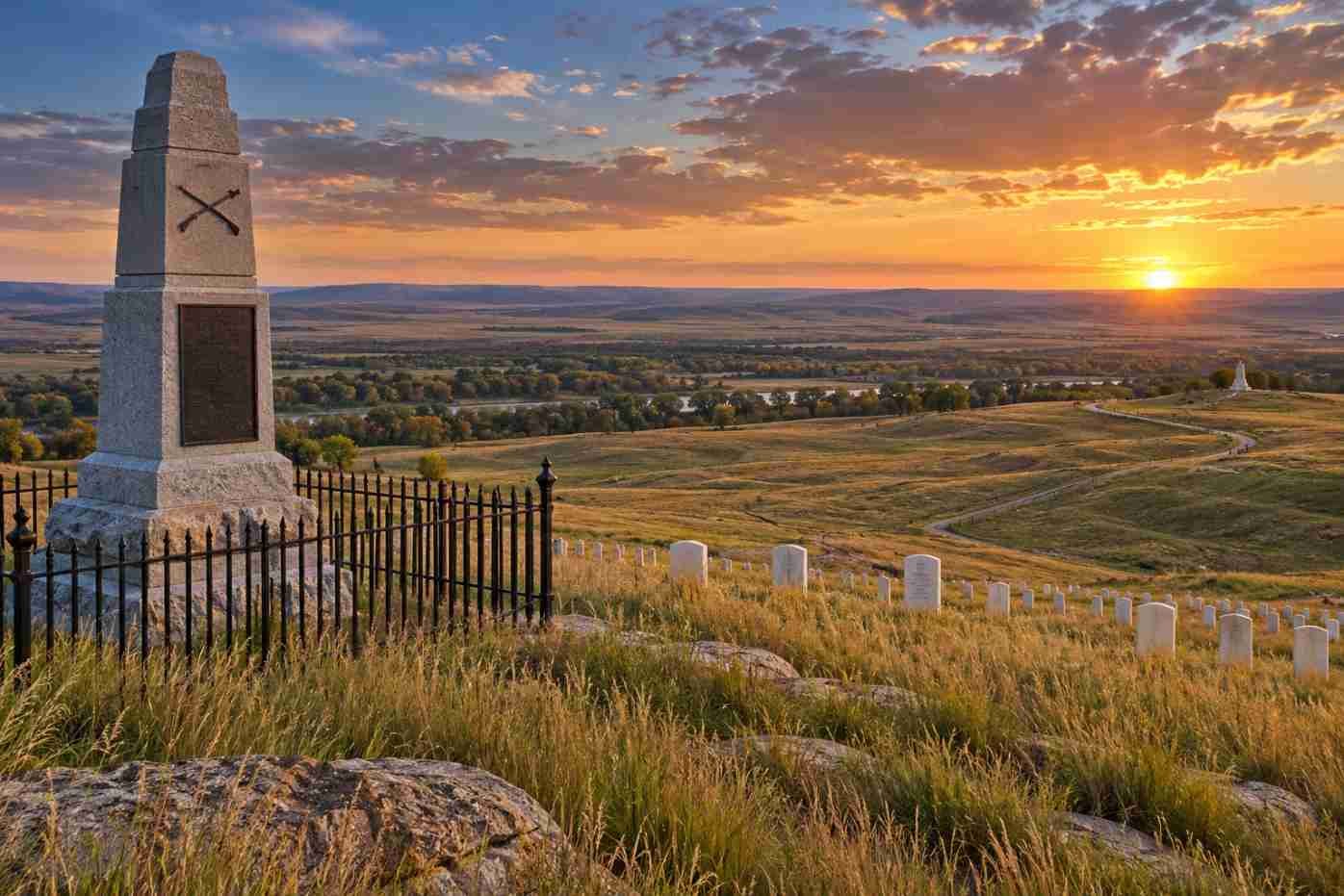
Near Crow Agency, Little Bighorn Battlefield National Monument preserves the landscape of the June 25–26, 1876 battle involving Lakota, Northern Cheyenne, and Arapaho warriors, the U.S. Army’s 7th Cavalry, and Crow and Arikara scouts serving with U.S. forces. The National Park Service places the conflict within a wider struggle over Native lands, treaties, hunting territory, and U.S. expansion.
The Indian Memorial is essential because it honors Native participants and adds Indigenous perspectives to a place historically interpreted mainly through the U.S. military story.
Chief Plenty Coups State Park
South of Billings near Pryor, Chief Plenty Coups State Park lies within the Crow Indian Reservation. The park preserves the log home, farmstead, and sacred spring associated with Plenty Coups, an influential Apsáalooke leader. Visitors can walk the grounds and learn how he led his people through major political and cultural changes.
Where Can You Learn About Buffalo Culture in Montana?
First Peoples Buffalo Jump State Park
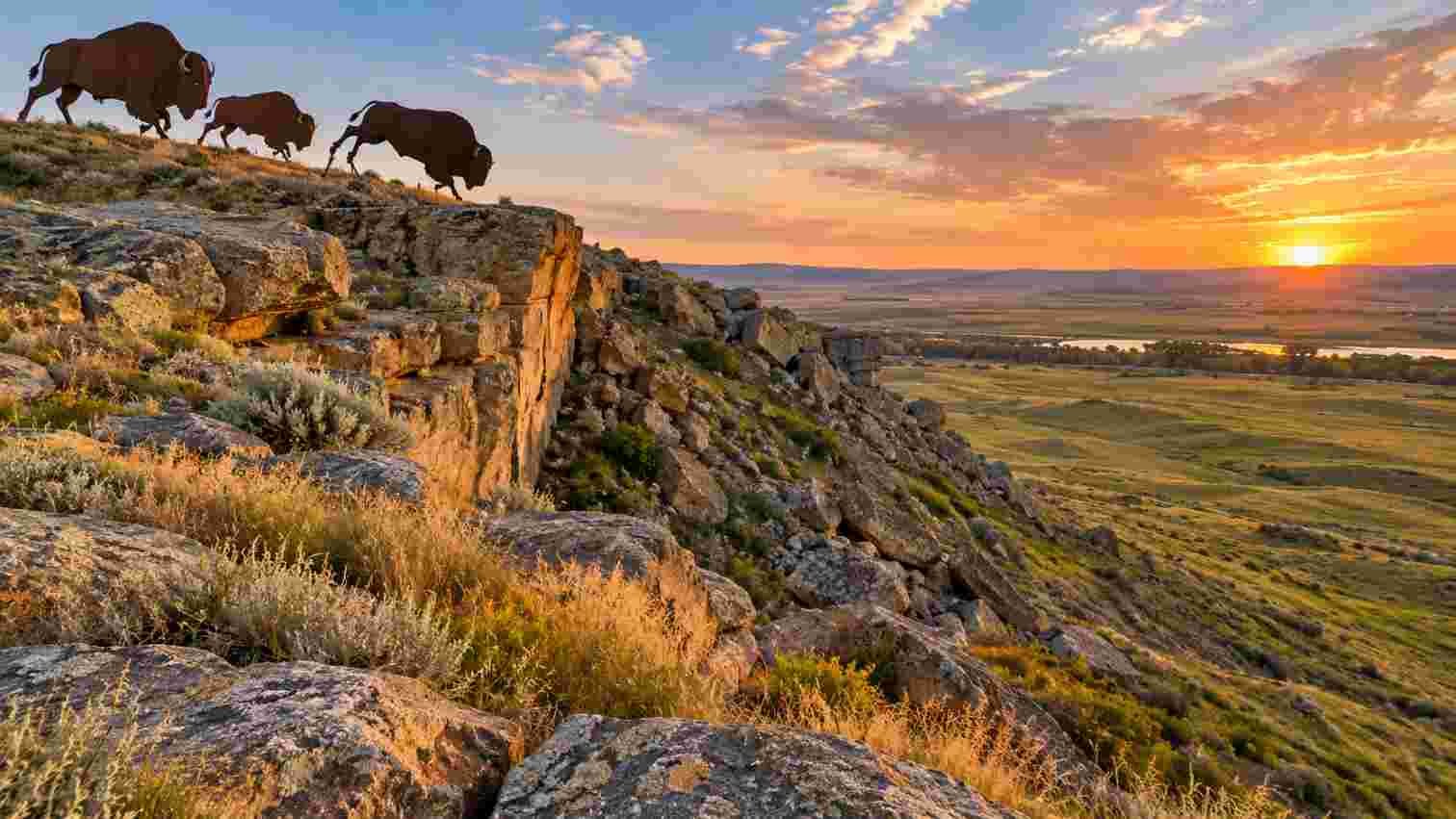
Near Ulm, First Peoples Buffalo Jump preserves one of North America’s largest known bison jump sites. Native peoples used the location for at least a thousand years before Lewis and Clark traveled through the region. A visitor center and interpretive trails explain the relationship between people, bison, and the Plains environment.
Buffalo jumps required knowledge of animal behavior, terrain, timing, and group coordination.
Where Can You See Native American Rock Art in Montana?
Pictograph Cave State Park
Just outside Billings, Pictograph Cave State Park protects Pictograph, Middle, and Ghost caves. More than 100 pictographs have been documented, and some surviving rock art is more than 2,000 years old.
A short loop trail lets visitors explore the area. Travelers should never touch the rock art, disturb archaeological material, or remove anything.
Pompeys Pillar National Monument
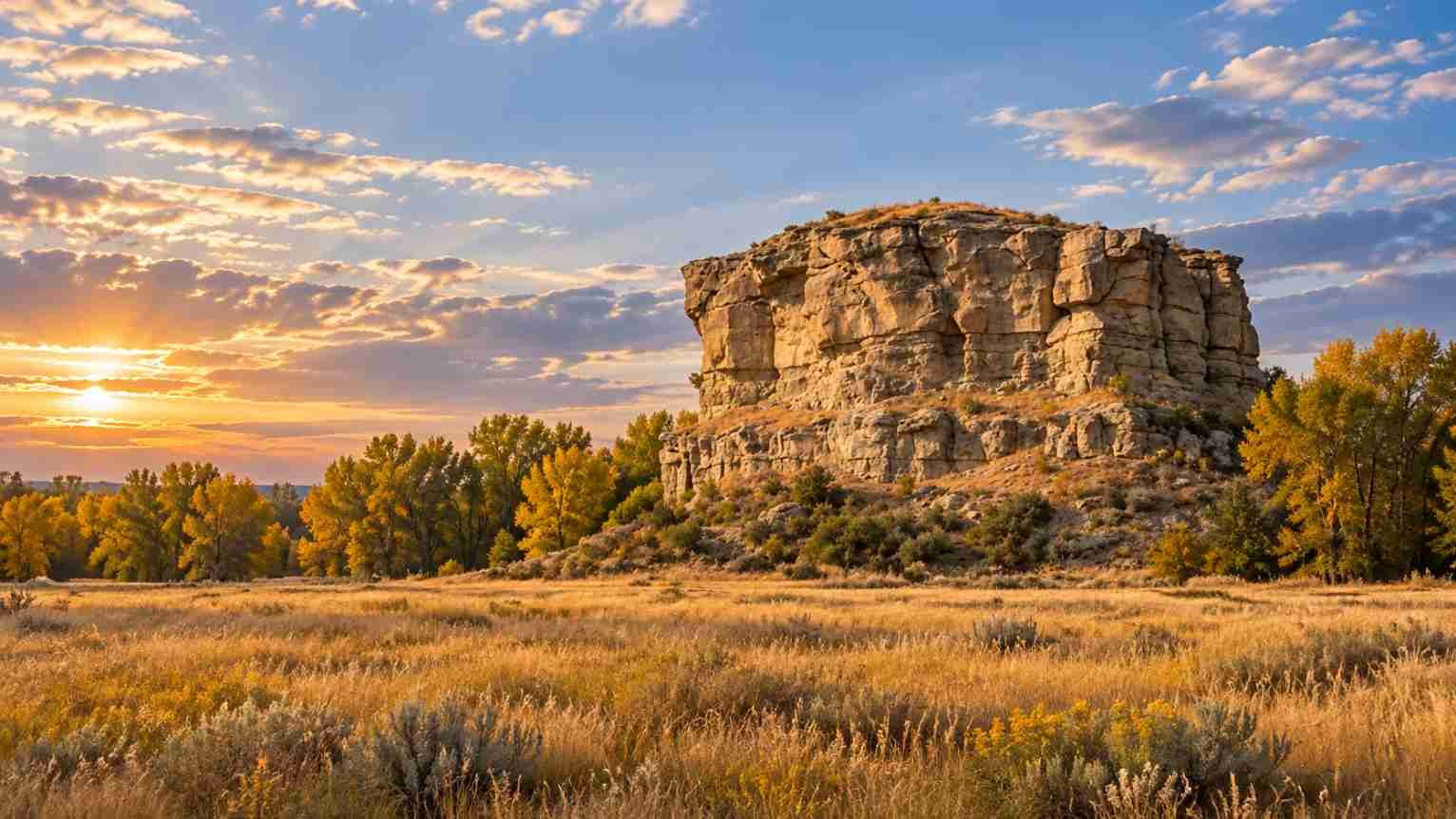
Pompeys Pillar is widely associated with William Clark, but its Indigenous history extends much deeper. The Bureau of Land Management identifies it as part of the traditional homeland of the Apsáalooke and documents Native use for more than 11,000 years. Pictographs, petroglyphs, archaeological evidence, and oral traditions reinforce its cultural importance.
Which Montana Museums and Cultural Centers Explain Native History?
Museum of the Plains Indian
In Browning, the Museum of the Plains Indian is an important stop for travelers exploring Blackfeet Country. It adds context through Native art and material culture while reminding visitors that tribal cultures remain active today. The museum is operated by the U.S. Department of the Interior and is located in Browning, Montana.
Three Chiefs Culture Center
On the Flathead Indian Reservation, Three Chiefs Culture Center helps visitors learn about the Confederated Salish and Kootenai Tribes through history, stories, art, and cultural perspectives. I value tribal cultural centers because they foreground community perspectives.
Travelers interested in exploring similar institutions can also visit Native American museums in New Mexico for another perspective on Indigenous history, art, and living cultures.
Which Lesser-Known Indigenous Historic Sites Are Worth Visiting?
Medicine Rocks State Park near Ekalaka combines unusual sandstone formations with centuries of cultural significance. Native hunting parties gathered in the area, making it a memorable stop for heritage travelers.
Rosebud Battlefield State Park is another important site. Known to the Northern Cheyenne as “Where the Girl Saved Her Brother,” it preserves the landscape of the June 17, 1876 battle that occurred shortly before Little Bighorn.
How Should Travelers Visit Indigenous Heritage Sites Respectfully?
Exploring native american heritage sites in montana responsibly means remembering that reservations, sacred places, archaeological sites, and cultural landscapes remain connected to living Native communities. Check tribal or official guidance before entering reservation lands or taking part in recreation because permits or special rules may apply.
Photography can be restricted during ceremonies or at sensitive locations. Never remove artifacts, enter closed areas, climb on protected rock art, or assume every culturally significant place is open to visitors. Supporting Native-owned guides, artists, cultural programs, restaurants, and businesses can also benefit local communities.
How Can You Plan a Native American Heritage Road Trip in Montana?
Because Montana is enormous, I recommend organizing a trip by region.
Travelers planning a longer driving journey can also use scenic coastal road trip itineraries for first timers as inspiration for structuring manageable daily drives, scenic stops, and overnight stays.
Around Billings and Crow Country, visitors can combine Pictograph Cave, Pompeys Pillar, Little Bighorn Battlefield, and Chief Plenty Coups State Park.
Central Montana travelers can visit First Peoples Buffalo Jump, while a northwest route can focus on Browning, Blackfeet Country, and the Flathead Indian Reservation. This regional approach reduces driving while letting travelers spend more time understanding each place instead of simply checking sites off a list.
If your itinerary also includes hiking, walking trails, or other outdoor activities, learning how to choose an adventure trip for your fitness level can help you match the physical demands of the route with your abilities.
Always verify current hours, seasonal access, closures, road conditions, and tribal visitor requirements before leaving.
Frequently Asked Questions
1. What are the best native american heritage sites in Montana for first-time visitors?
Little Bighorn Battlefield, Chief Plenty Coups State Park, First Peoples Buffalo Jump, Pictograph Cave, the Museum of the Plains Indian, and Three Chiefs Culture Center offer a strong mix of history and tribal interpretation.
2. Can tourists visit Indian reservations in Montana?
Many reservation communities welcome visitors, but rules differ by place and activity. Some recreation requires tribal permits, while ceremonies or sensitive places may have access or photography restrictions.
3. Where can visitors learn about Blackfeet culture in Montana?
Browning is a major cultural gateway to the Blackfeet Indian Reservation. The Museum of the Plains Indian and local tribal programs can provide valuable context before travelers explore the surrounding region.
A More Meaningful Way to Experience Montana
For me, Montana becomes more compelling when its landscapes are understood through the people who have lived with them for generations. Buffalo jumps, cultural centers, rock shelters, and battlefields reveal different parts of a much larger story.
Travel slowly, listen to Indigenous perspectives, and approach these places as living cultural landscapes rather than relics of the past. That creates a deeper understanding of Montana’s history, sovereignty, art, resilience, and continuing Native presence.