Latest posts
-
Immersive Wildlife Experiences Beyond Safaris Worth Planning For
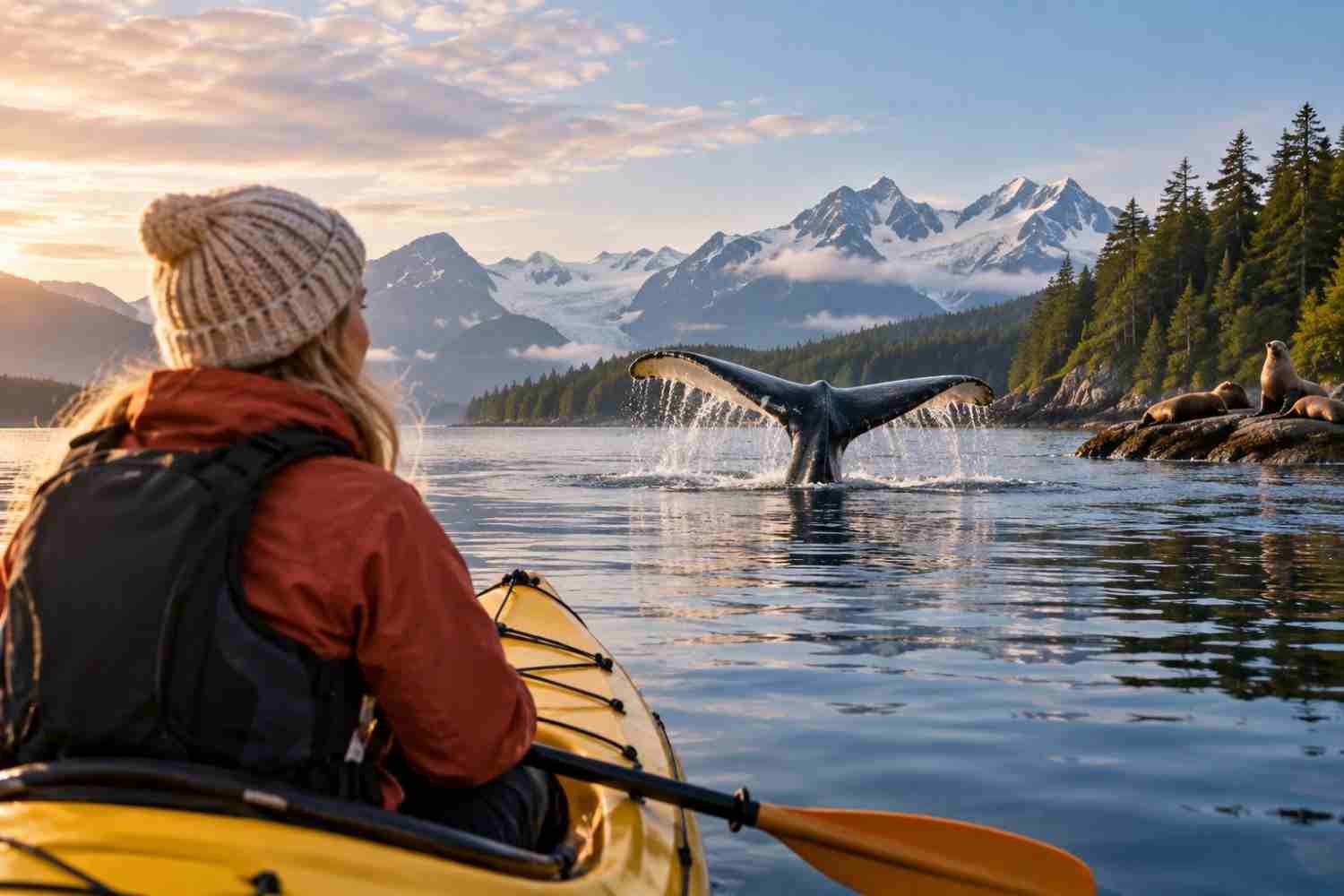
I used to think a great wildlife trip was mostly about getting into the right vehicle, reaching promising habitat, and hoping an animal appeared. After a few trips, I started paying more attention to everything between headline sightings: bird calls, tracks, changing light, plants, and small movements that reveal an ecosystem. I realized that memorable…
-
Budget Friendly Alternative Destinations to Popular Tourist Spots
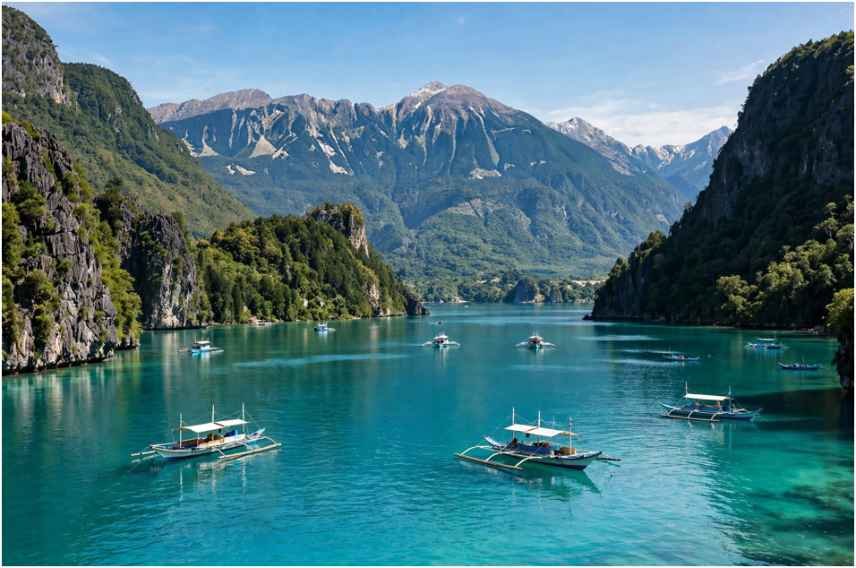
Standing in a shoulder-to-shoulder throng in Oia, waiting forty minutes just to snap a photo of a blue-domed church, broke my romantic illusion of European travel. When the bill arrived for an unremarkable €18 espresso and a croissant, I realized the bucket-list dream had become an overpriced theme park. Searching for budget friendly alternative destinations…
-
Best Remote Travel Destinations Without Crowds
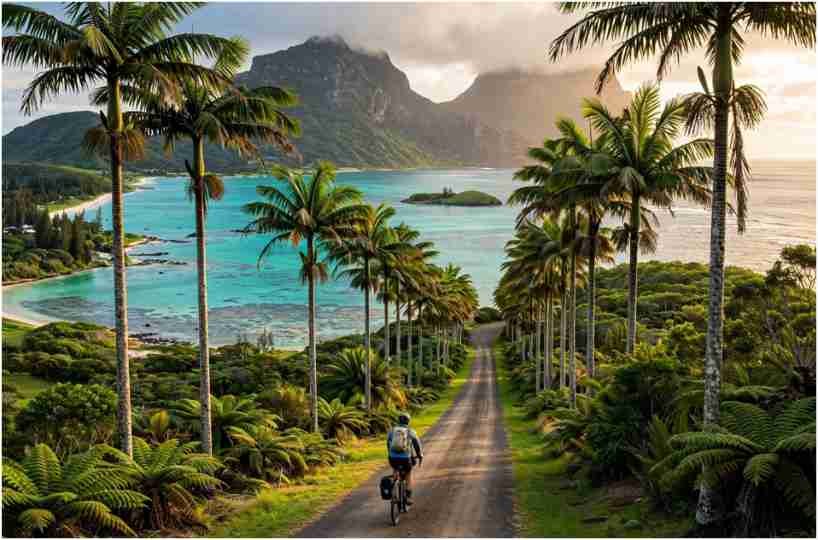
I spent my early twenties elbowing through packed viewpoints in Venice and waiting in two-hour shuttle queues at Zion. That superficial sightseeing burned me out. True adventure began only after I sought out isolated landscapes where silence replaces idling tour buses. Finding the best remote travel destinations without crowds requires swapping resort conveniences for logistics,…
-
Historic Mining Towns in Colorado: Gold, Silver, and Ghost-Town History
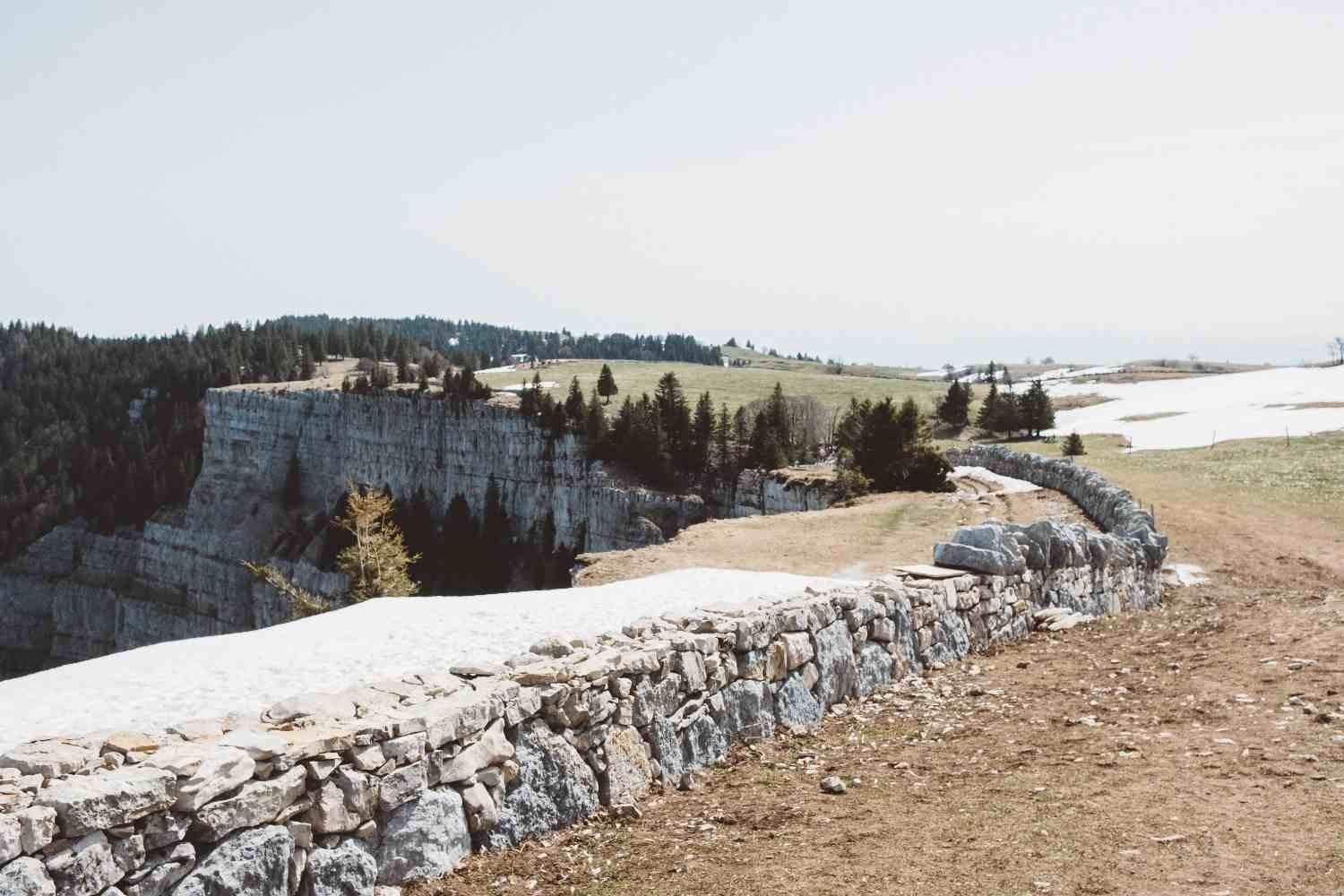
Colorado’s mountain communities tell a story far beyond ski slopes and scenic drives. When I explore historic mining towns in Colorado, I’m looking at places shaped by gold strikes, silver booms, railroads, and hard-rock mines. Some survived as thriving destinations with Victorian buildings and museums; others emptied when mines closed, leaving remarkably preserved ghost towns.…
-
How to Plan a 3 Week Cross Country Train Trip

When I watched the dawn sun hit the orange sandstone walls of Byers Canyon from the glass lounge car, I realized something vital. Crossing America on steel rails is unlike driving or flying. Knowing how to plan a 3 week cross country train trip requires treating the journey as an evolving landscape rather than simple…
-
How Rewilding Landscapes for Endangered Species Restores Nature
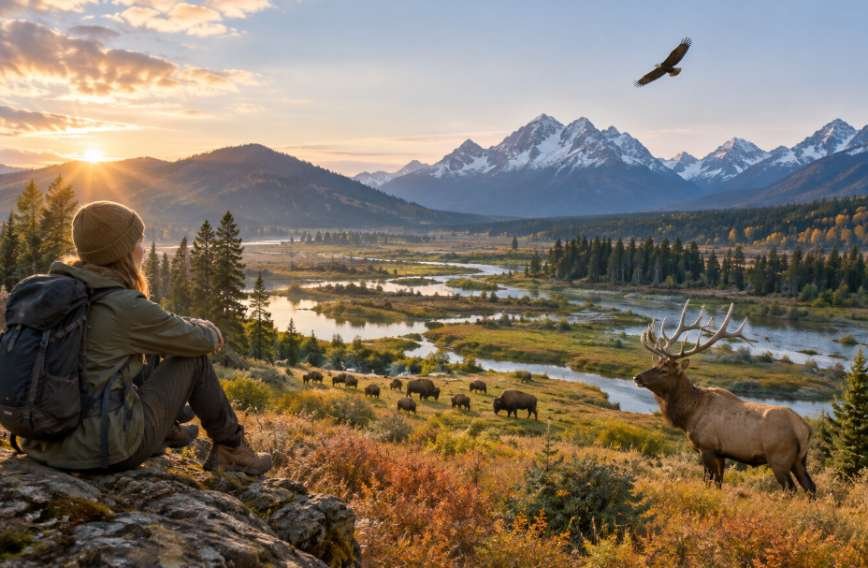
I used to think restoring wildlife meant protecting a patch of land, planting native trees, and keeping people away. Endangered species often need room to move, find food, breed, and respond to seasonal changes. A protected island of habitat can help, but it may not be enough if the surrounding landscape is broken into disconnected…
-
Appalachian Culture and Traditions: Where Mountain Stories Still Live
A fiddle tune drifting across a mountain gathering, jars of vegetables cooling after a day of canning, a handmade quilt carrying pieces of family history, and stories retold around a kitchen table all reveal something important about Appalachia. This region’s identity was not created by one custom or one group of people. It grew through…
-
Inside Creole Culture in New Orleans: A Living Legacy Beyond the French Quarter

New Orleans reveals its history without putting it behind glass. I notice it in wrought-iron balconies, neighborhood restaurants, second-line rhythms, old Catholic churches, family recipes, and the languages that once filled its streets. To understand why the city feels unlike anywhere else in the United States, I think it helps to look closely at Creole…
-
Responsible Wildlife Tourism Experiences for Ethical Animal Encounters
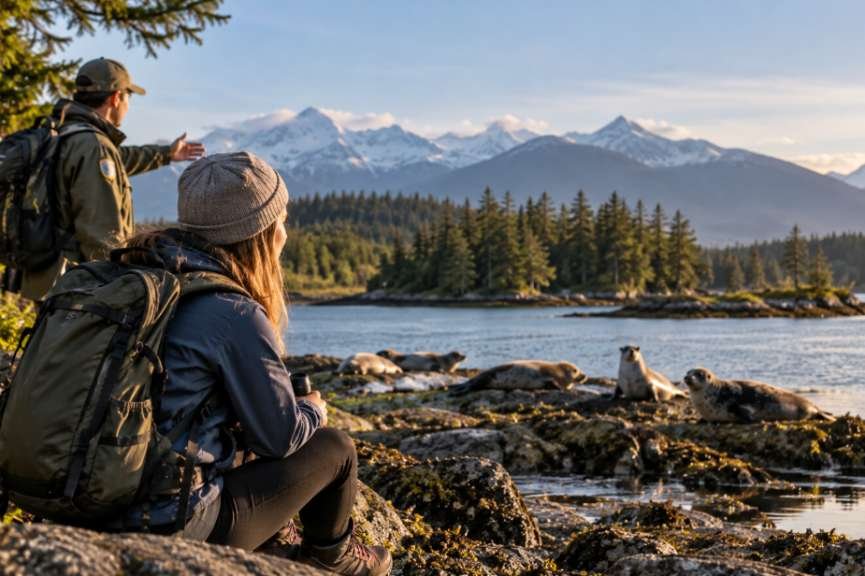
I used to think a wildlife encounter was successful if I came home with a clear photograph. Over time, I started noticing that the best experiences felt different. The animals were not performing, the guides were not pushing them closer, and nobody seemed disappointed when a sighting took patience. I also realized that responsible wildlife…
-
Lowcountry Culture South Carolina: Where the Coast Keeps Its Stories
Some regions reveal their history through monuments. South Carolina’s Lowcountry reveals it through food, language, waterways, handmade baskets, old neighborhoods, and traditions that families still practice today. What draws me most to Lowcountry culture in South Carolina is the way centuries of African, Indigenous, European, and Caribbean influences became inseparable from the coastal landscape. From…