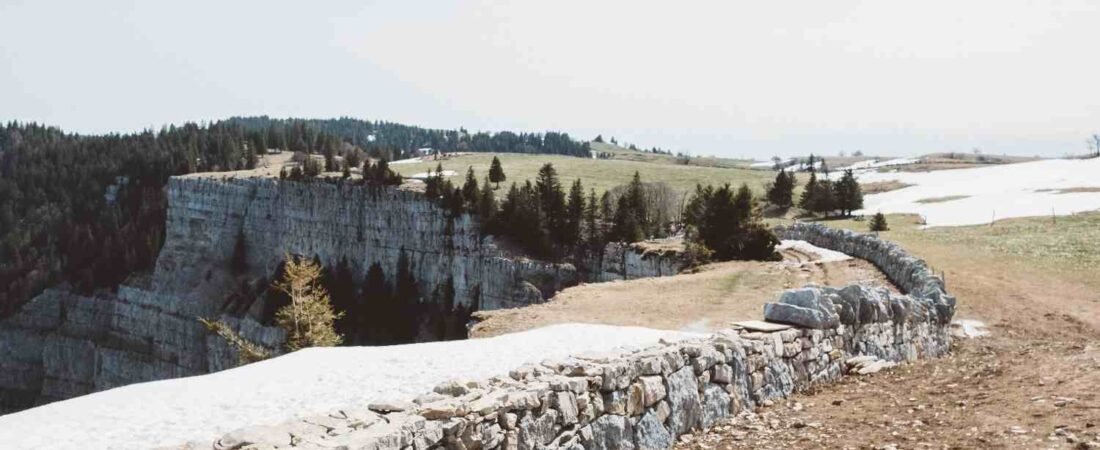
Colorado’s mountain communities tell a story far beyond ski slopes and scenic drives. When I explore historic mining towns in Colorado, I’m looking at places shaped by gold strikes, silver booms, railroads, and hard-rock mines.
Some survived as thriving destinations with Victorian buildings and museums; others emptied when mines closed, leaving remarkably preserved ghost towns. Together, they bring Colorado Gold Rush history and Old West heritage into view.
Which Colorado Mining Towns Still Feel Like Living History?
Why Visit Leadville for Silver-Boom History?
At 10,152 feet, Leadville is the highest incorporated city in the United States and a defining community of Colorado’s silver era. Colorado’s tourism site identifies a 70-square-block National Historic Landmark District and a 20-square-mile preserved mining district. I would start at the National Mining Hall of Fame and Museum, then explore the Victorian downtown.
What Makes Silverton a Classic San Juan Mining Town?
Silverton sits deep in the San Juan Mountains and still reflects its nineteenth-century mining roots. The Durango & Silverton Narrow Gauge Railroad reached town in 1882 and was built largely to move gold and silver ore. Visitors can also tour the Old Hundred Gold Mine for an underground mining experience.
What Can You See in Creede’s Historic Mining District?
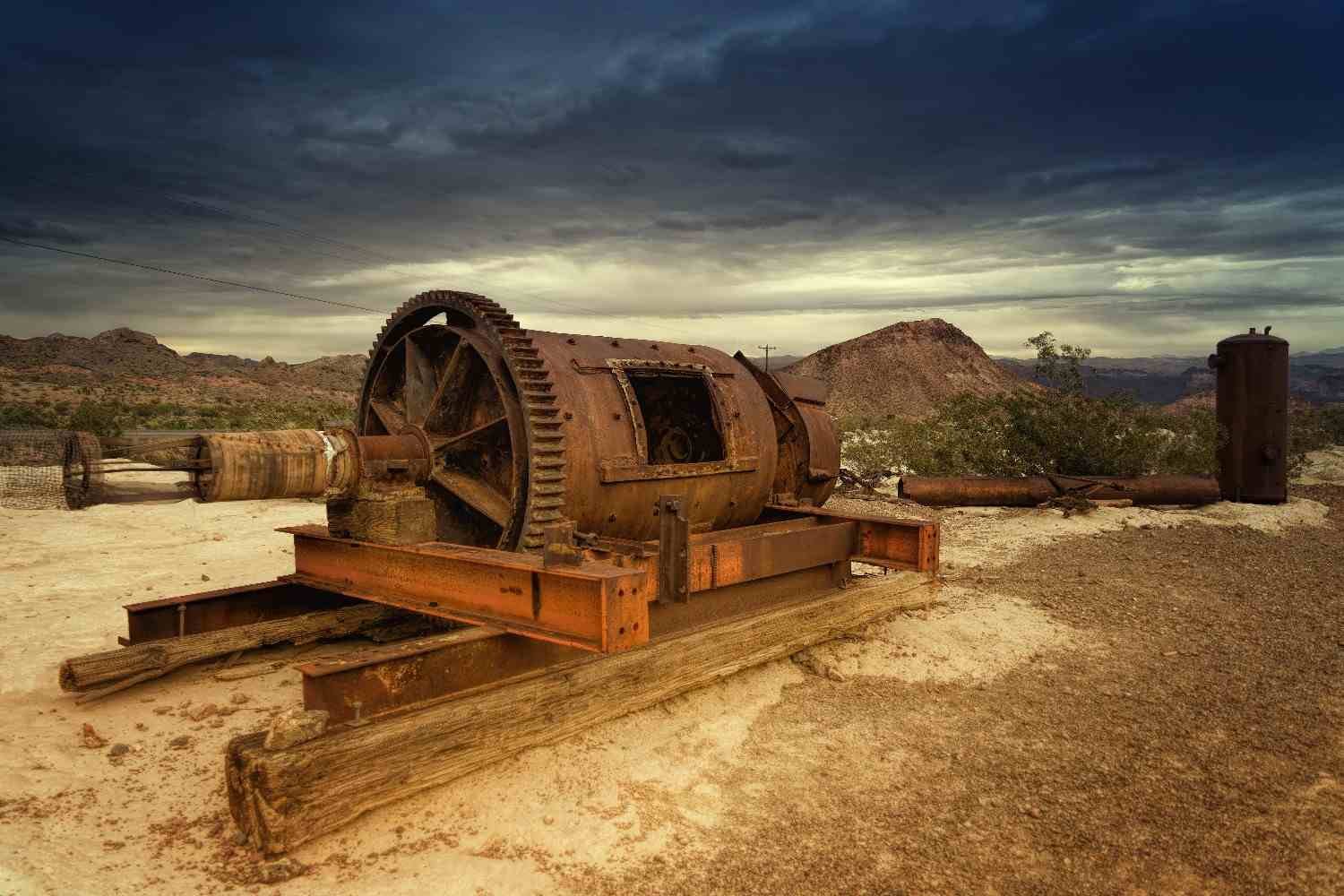
Creede’s silver boom surged in the early 1890s. Today, the 17-mile Bachelor Loop passes old mine sites, ghost-town remains, and interpretive stops. The Creede Underground Mining Museum, blasted into solid rock by local miners, explains historic mining techniques.
Why Visit Georgetown and Silver Plume Together?
Georgetown and Silver Plume offer an easy silver-mining history trip from Denver. The Georgetown Loop Railroad links the communities through Clear Creek Canyon and crosses the Devil’s Gate High Bridge. An optional Lebanon Silver Mine tour enters an 1870s tunnel.
Which Other Living Mining Towns Belong on a Colorado Road Trip?
Central City grew after John Gregory’s 1859 gold discovery in Gregory Gulch, while Idaho Springs traces its mining story to George Jackson’s placer-gold discovery near Chicago Creek that same year. Cripple Creek and nearby Victor represent the major gold boom of the 1890s; Victor became known as the “City of Mines,” with hundreds of mines once operating across the district.
Telluride adds another important San Juan story. Its National Historic Landmark District preserves buildings associated with the mining-boom years from 1878 to 1913. Although Telluride is now widely known for skiing and festivals, its streetscape still maintains a visible connection to its mining-era past.
Which Preserved Colorado Ghost Towns Are Worth Visiting?
Is St. Elmo Colorado’s Best-Preserved Ghost Town?
St. Elmo is widely considered one of Colorado’s best-preserved ghost towns. Its wooden main street, general store, former saloon buildings, and residences create a remarkably complete setting. The community is reached through the Chalk Creek area, and summer is the practical season for most visitors, though mountain road conditions should always be checked before traveling.
Do You Need a 4×4 to Reach Animas Forks?
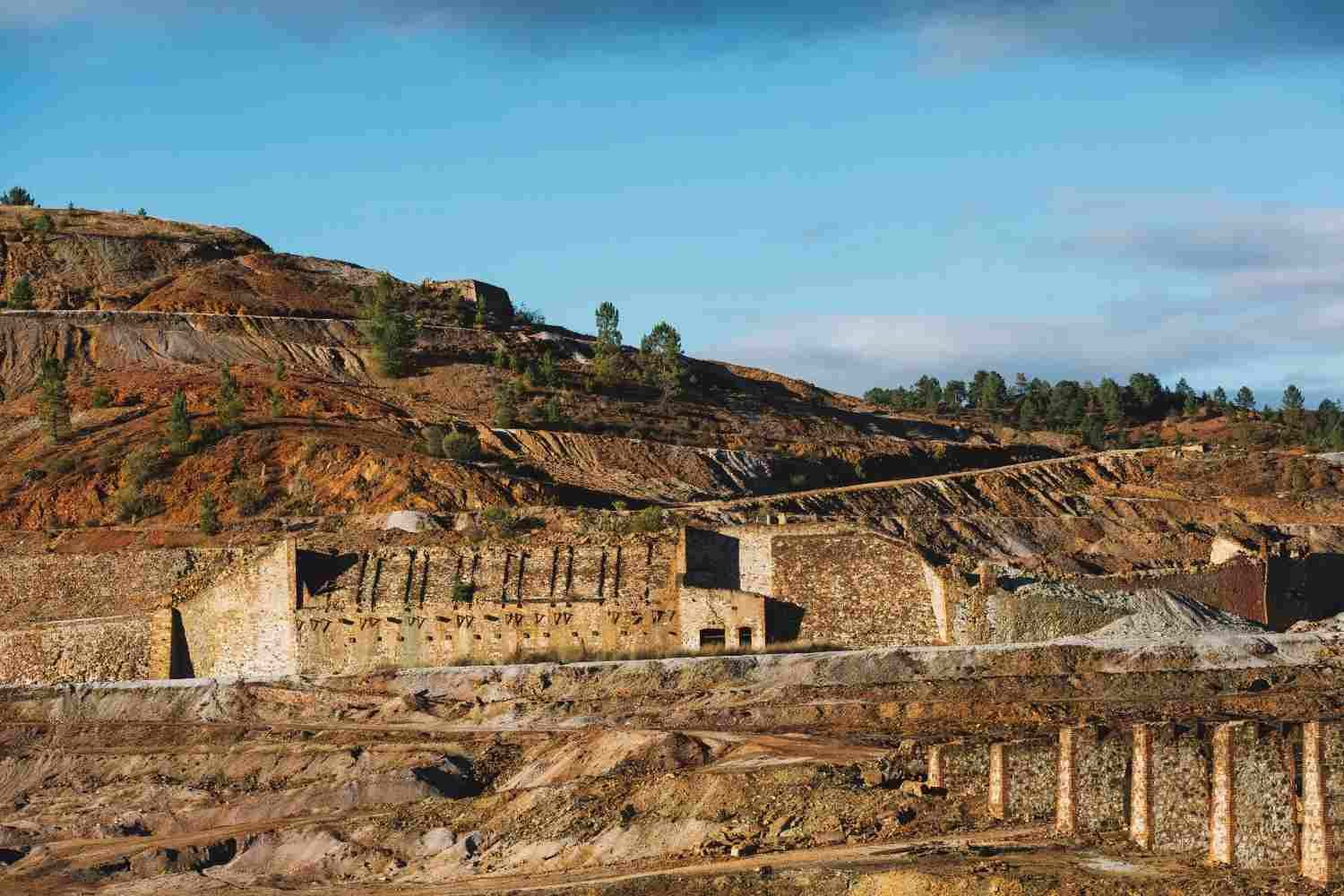
Animas Forks sits at roughly 11,200 feet near Silverton and contains several heavily weathered, multi-story structures. It lies along the Alpine Loop, a high-country route where four-wheel drive is required for the full drive. A capable 4×4 or guided excursion is therefore the practical way to experience this remote silver-and-gold ghost town.
Why Are Vicksburg and Winfield Worth the Detour?
Vicksburg and Winfield sit in Clear Creek Canyon between the Leadville and Buena Vista areas. Vicksburg is especially memorable for its historic avenue lined with Balm-of-Gilead trees planted by early residents.
Both former silver-mining camps retain historic structures, and preservation groups maintain museum interpretation. The main road is generally accessible by 2WD vehicles in season, although rougher mountain routes beyond the townsites require more capable vehicles.
Quick Comparison of Major Colorado Mining Towns
| Town | Primary Ore | Key Historic Attraction | Typical Access |
| Leadville | Silver, lead | National Mining Hall of Fame | 2WD, paved |
| Silverton | Silver, gold | Durango & Silverton Railroad | 2WD, paved |
| Georgetown | Silver | Georgetown Loop/Lebanon Mine | 2WD, paved |
| St. Elmo | Gold, silver | Preserved wooden main street | 2WD, seasonal mountain road |
| Animas Forks | Silver, gold | High-alpine ghost-town buildings | 4×4 Alpine Loop access |
How Should You Explore Old Colorado Mining Sites Safely?

Historic mine areas can contain unstable buildings, open shafts, loose rock, private property, and rapidly changing mountain weather. Stick to marked roads, maintained trails, museums, and supervised mine tours.
Never enter an abandoned shaft or tunnel unless it operates as an authorized attraction, and always check seasonal road conditions before heading into the high country. Creede’s visitor guidance specifically warns travelers not to enter unstable mine buildings, shafts, or tunnels.
FAQs About Colorado Mining Towns
1. What Is the Most Famous Mining Town in Colorado?
Leadville, Silverton, and Cripple Creek are among the best-known. Leadville is closely tied to the silver boom, Silverton to San Juan mining and narrow-gauge railroads, and Cripple Creek to the 1890s gold rush.
2. What Mining Towns Are Easy to Visit From Denver?
Idaho Springs, Georgetown, Silver Plume, Central City, and Black Hawk are convenient choices west of Denver. Most can be reached on paved roads and work well for history-focused day trips.
3. What Is the Difference Between a Mining Town and a Ghost Town?
A living mining town still has a permanent community and modern economy even if mining drove its original growth. A ghost town lost most or all of its population after mining, rail service, or local commerce declined, leaving preserved or abandoned structures behind.
Final Thoughts
The best historic mining towns in Colorado show both sides of the state’s mining legacy. Leadville, Silverton, Creede, Georgetown, Telluride, Central City, Idaho Springs, Cripple Creek, and Victor became living communities, while St. Elmo, Animas Forks, Vicksburg, and Winfield preserve the quieter remains of boom-and-bust mining.
I think the most rewarding trip combines both. Walk a Victorian downtown, ride a historic railroad, tour an underground mine, and then visit a ghost town where the mountain landscape still reveals how quickly fortunes and populations once changed.