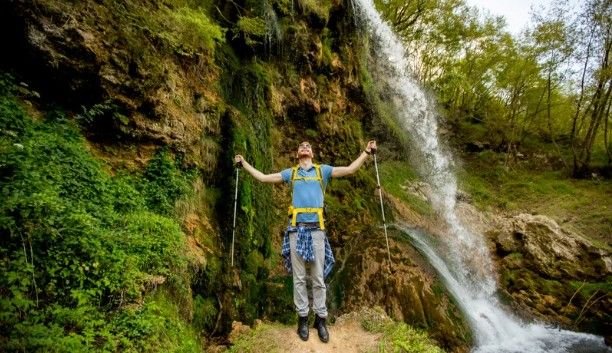
When I plan a journey, I think about more than the destination. I also consider where my money goes, how my visit affects local people, and whether the natural places I enjoy will remain healthy. Understanding ecotourism vs traditional tourism helps me make those decisions more thoughtfully.
Both approaches allow people to experience new places, but they operate with different priorities. Traditional tourism usually emphasizes convenience, entertainment, and popular attractions. Ecotourism focuses more deliberately on natural areas, conservation, environmental education, and benefits for host communities. However, the comparison is not completely black and white.
What Is Ecotourism?
Ecotourism is responsible travel to natural areas that aims to protect ecosystems and improve the well-being of local communities. It is commonly associated with forests, mountains, protected coastlines, wetlands, wildlife reserves, and rural communities.
A genuine ecotourism experience involves more than staying in a lodge surrounded by trees. The operator should actively reduce environmental damage, educate visitors, support conservation, and create meaningful economic opportunities for local residents.
Common activities include guided nature walks, birdwatching, wildlife observation, kayaking, conservation volunteering, cultural exchanges, and small-group visits to protected areas. Responsible operators establish rules concerning waste, wildlife contact, water consumption, trail use, and group size.
What Is Traditional Tourism?
Traditional tourism is a broad term covering mainstream travel for leisure, entertainment, business, education, or relaxation. It includes resort holidays, cruises, theme parks, shopping trips, city breaks, large group tours, and visits to popular attractions.
The experience is normally designed around comfort, accessibility, and convenience. Travelers may receive transportation, accommodation, meals, and activities in one package. This makes mainstream tourism easier to organize and suitable for families, large groups, older travelers, and people with particular accessibility requirements.
Traditional tourism also creates employment and supports airlines, restaurants, hotels, transport providers, guides, and entertainment businesses. Problems arise when rapid development, overcrowding, and resource consumption are poorly managed.
The Major Differences Between the Two

Purpose and priorities
Traditional tourism primarily serves the traveler’s need for recreation, convenience, or entertainment. Ecotourism combines visitor enjoyment with environmental protection, education, and community welfare.
An ecolodge, for example, might limit visitor numbers, hire guides from nearby communities, source food locally, and contribute part of its revenue to habitat restoration. A conventional resort may prioritize extensive facilities, predictable services, and a higher volume of guests.
Environmental impact
Large tourism developments can require considerable land, water, energy, and infrastructure. Supporting smaller businesses that offer sustainable souvenirs that support local artisans can help direct visitor spending toward existing communities. If expansion is poorly planned, it may cause habitat loss, pollution, erosion, excessive waste, or pressure on limited water supplies.
Ecotourism attempts to reduce those effects through smaller groups, efficient resource use, responsible waste management, renewable energy, and carefully controlled activities. Nevertheless, an eco-labeled trip is not automatically harmless. Flights, road travel, construction, and visitor activity still produce environmental consequences.
Support for local communities
Conventional tourism can create many jobs, but a large share of the revenue may leave the destination when outside companies own the hotels, tour operations, and booking platforms. This is known as economic leakage.
Well-managed ecotourism keeps more value within the community by using locally owned accommodation, employing resident guides, purchasing regional food, and supporting local crafts. Community participation is especially important because residents should have a voice in how tourism affects their land, culture, and daily lives.
Activities and visitor experience
Traditional tourism frequently offers beaches, nightlife, shopping, entertainment venues, sightseeing tours, and major attractions. These trips are generally structured for comfort and broad appeal.
Ecotourism experiences tend to be smaller, slower, and more educational. Travelers may learn about ecosystems, conservation challenges, traditional livelihoods, or native species. The experience often requires visitors to follow stricter rules and accept fewer luxury services.
Cost and convenience
Traditional packages can be affordable because large businesses distribute costs across many customers. They may also provide more transportation options, accessible facilities, and predictable amenities.
Ecotourism can cost more because small groups, trained guides, conservation programs, and low-impact facilities are expensive to operate. However, price alone does not establish credibility. An expensive nature retreat can still engage in greenwashing, while a modest locally operated guesthouse may produce genuine community benefits.
Benefits and Limitations of Ecotourism
Ecotourism can finance protected areas, create alternatives to environmentally destructive industries, preserve cultural knowledge, and teach travelers why conservation matters. It can also direct income toward remote communities with limited economic opportunities.
However, success depends on management. Excessive visitor numbers can disturb wildlife, damage trails, increase waste, and change local traditions. Communities may become overly dependent on seasonal visitors. Rising demand can also increase property prices or encourage companies to market ordinary nature trips as environmentally responsible.
Benefits and Limitations of Traditional Tourism

Traditional tourism provides convenience, accessibility, significant employment, and dependable services. Large visitor numbers can fund transportation networks, public facilities, restaurants, and cultural attractions.
Its limitations become visible when destinations receive more visitors than their infrastructure or communities can support. Overcrowding may reduce residents quality of life, strain public services, increase waste, and turn cultural traditions into standardized commercial experiences.
Traditional tourism is not inherently irresponsible. Hotels can conserve water, reduce waste, employ local workers, protect cultural sites, and obtain credible sustainability certification. The quality of management matters more than the label alone.
How to Recognize Genuine Ecotourism
Look beyond words such as “green,” “natural,” and “eco-friendly.” A responsible operator should explain its environmental policies clearly and provide evidence of its conservation work.
Check whether local residents own, manage, or benefit directly from the operation. Review its wildlife policies, group-size limits, waste practices, water use, energy sources, and treatment of employees. Credible independent certification can offer useful reassurance, although travelers should still investigate what a particular certification measures.
Avoid businesses that allow wildlife touching, feeding, chasing, or forced performances. Genuine conservation experiences protect animals even when stricter rules make photographs or close encounters less convenient.
Frequently Asked Questions
1. What is the main difference between ecotourism and traditional tourism?
The main distinction in ecotourism vs traditional tourism is purpose. Ecotourism intentionally supports conservation, education, and community welfare, while traditional tourism is mainly organized around recreation, accessibility, and traveler convenience.
2. Is ecotourism always sustainable?
No. Poorly managed ecotourism can disturb wildlife, damage habitats, exploit communities, and create pollution. The operator’s measurable practices matter more than its marketing language.
3. Is ecotourism more expensive?
It can be more expensive because small groups, specialist guides, conservation contributions, and environmentally responsible facilities increase operating costs. Locally owned accommodation can still provide affordable options.
4. Can traditional tourism become sustainable?
Yes. Conventional hotels, attractions, and tour companies can reduce waste, conserve water, use cleaner energy, manage visitor numbers, employ residents, and purchase locally.
5. What are examples of ecotourism activities?
Examples include guided hiking, birdwatching, responsible wildlife observation, kayaking, conservation programs, community-led cultural visits, and educational tours in protected natural areas.
A More Thoughtful Way to Travel
I do not believe every conventional holiday is harmful or every nature trip is responsible. Labels can simplify a much more complicated reality. What matters is how the journey is managed, how residents participate, where the money goes, and what happens to the environment after visitors leave.
When I evaluate those details before booking, I can choose experiences that provide enjoyment without ignoring their wider effects. Responsible travel begins not with a particular label, but with better questions and informed choices.