
Whenever I travel, I want to know whether my spending genuinely supports the people who make a destination special. Staying in a locally managed lodge, hiring a resident guide, or joining a community-run workshop can create a more meaningful connection than simply passing through a place. Understanding community based tourism and how it works helps travelers recognize experiences that place residents, rather than outside businesses, at the center of tourism.
This model allows communities to shape visitor activities, protect their traditions, manage local resources, and decide how tourism income is used. However, a project needs more than a local name or a rural setting to be genuinely community-based.
What Is Community-Based Tourism?
Community-based tourism is a travel model in which residents participate in planning, managing, and benefiting from tourism activities. The community may be a village, neighborhood, cooperative, Indigenous group, farming region, or collection of small local enterprises.
Experiences can include homestays, locally managed lodges, food tours, craft workshops, wildlife excursions, farm visits, cultural performances involving performing arts, and walking tours. The defining feature is not the activity itself. It is the community’s influence over decisions and its ability to receive a fair share of the benefits.
Some projects are completely community-owned. Others operate through partnerships with nonprofits, tour operators, governments, or private businesses. Outside participation does not automatically make a project unsuitable, provided residents retain a meaningful voice and the partnership produces transparent local benefits.
How the Community Tourism Model Operates
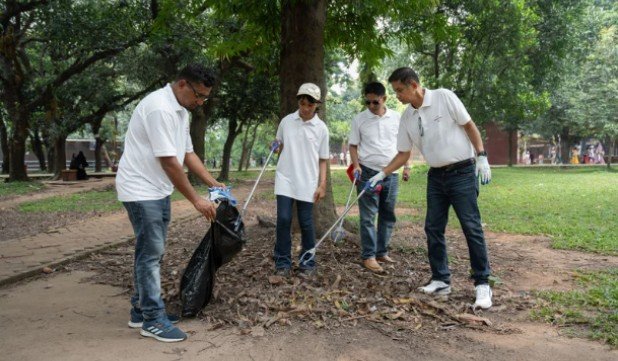
Residents Decide What They Want to Share
The process should begin with community consultation. Residents identify which landscapes, traditions, skills, foods, or stories they are comfortable sharing. They can also decide what must remain private.
This stage establishes limits concerning visitor numbers, photography, access to sacred locations, appropriate clothing, environmental protection, and acceptable behavior. Tourism is then designed around local priorities instead of forcing residents to adapt to visitor expectations.
Community Members Develop the Experience
Residents determine how visitors will participate and may also explain how tourism affects endangered wildlife in the surrounding area. Some households may provide accommodation, while others prepare meals, guide walks, arrange transportation, teach traditional skills, or sell locally made goods.
Not every household needs to perform the same role. A well-organized project creates different opportunities so that benefits are not restricted to property owners or people able to host guests.
A Local Organization Manages Decisions
Many initiatives establish a cooperative, village committee, association, or locally controlled business. This organization may handle reservations, pricing, training, safety, marketing, quality standards, and conflict resolution.
Clear governance is essential. Residents should understand who makes decisions, how leaders are selected, how financial records are maintained, and how complaints are addressed.
Visitor Payments Are Distributed
Money may be divided among accommodation providers, guides, cooks, drivers, farmers, performers, and artisans. A percentage can also enter a shared fund for water systems, education, environmental conservation, waste management, healthcare, or cultural programs.
This circulation of money helps reduce tourism leakage, which occurs when visitor spending leaves the destination through foreign companies, imported supplies, or businesses headquartered elsewhere.
Results Are Monitored
Responsible projects monitor more than visitor numbers. They consider whether tourism is creating stable income, protecting the environment, treating residents fairly, and respecting cultural boundaries.
Communities may limit group sizes, rotate hosting opportunities, change activities, raise conservation fees, or end partnerships that no longer serve local interests.
Benefits for Local Communities
Tourism can diversify income in places where residents depend heavily on farming, fishing, forestry, or seasonal employment. It can create work for guides, cooks, drivers, interpreters, artists, and small-business owners.
Local control can also strengthen cultural preservation. Language, music, cooking, storytelling, architecture, and craft knowledge may gain renewed value when communities choose how these traditions are presented.
Environmental benefits are possible when tourism funds habitat restoration, wildlife protection, trail maintenance, or waste reduction. These results are not automatic, but locally managed tourism can give residents a financial reason to protect the resources on which the experience depends.
Women and younger residents may gain new income, training, leadership experience, and reasons to remain in their communities. Shared funds can extend benefits to people who do not work directly with visitors.
Why Travelers Choose These Experiences

Travelers gain opportunities to learn directly from people with deep knowledge of the destination. A resident guide can explain everyday life, environmental changes, customs, and local history in ways that a standardized tour may overlook.
Smaller groups can produce more personal experiences while reducing pressure on sensitive places. Visitors may also have greater confidence that their spending supports local livelihoods rather than disappearing through a long commercial chain.
Community-led does not necessarily mean basic or inexpensive. Experiences can range from modest homestays to professionally operated ecolodges. Ownership, decision-making, and benefit distribution matter more than the accommodation’s price or comfort level.
Challenges and Possible Disadvantages
Community tourism can fail when projects are created without sufficient local consultation or realistic market research. Building accommodation does not guarantee demand, particularly when a location is difficult to reach or book.
Benefits may also be captured by powerful families, political leaders, or outside companies. Cultural activities can become staged, simplified, or altered to satisfy visitors. Increased tourism may place pressure on water, housing, energy, wildlife, and waste systems.
Another risk is economic dependence. A community that relies too heavily on travelers can become vulnerable to seasonal changes, natural disasters, political instability, or sudden reductions in international travel.
These challenges make transparency, diversified income, resident participation, capacity limits, and regular monitoring essential.
How to Recognize a Genuine Community-Led Experience
Travelers should examine who owns or manages the experience and whether residents participate in important decisions. A responsible operator should be able to explain where payments go and how the broader community benefits.
Look for named local partners, resident guides, locally sourced food, small groups, clear cultural protocols, and evidence of long-term cooperation. Be cautious when a business repeatedly uses words such as authentic, sustainable, or community without explaining its ownership or financial practices.
Before booking, ask who designed the experience, whether residents can limit visitor access, how workers are paid, and whether a community fund exists. Clear answers usually reveal more than promotional labels.
Frequently Asked Questions
1. What is community based tourism and how it works in practice?
Community based tourism and how it works can be understood as residents designing and managing visitor experiences, providing services, receiving income, and collectively deciding how part of the revenue supports local priorities.
2. Is community tourism the same as ecotourism?
No. Ecotourism primarily emphasizes nature, conservation, and low-impact travel. Community tourism focuses on resident participation, control, and benefits. An experience can follow both models, but one does not automatically guarantee the other.
3. Does every project have to be completely community-owned?
Not necessarily. A project may work with a tour operator, nonprofit, or investor for funding, training, reservations, or marketing. The important questions concern local influence, fair compensation, transparency, and long-term community benefit.
4. How can travelers support residents respectfully?
Follow cultural rules, ask before photographing people, use local guides, purchase directly from artisans, conserve water and energy, avoid aggressive bargaining, and respect limits placed on sensitive locations.
Final Thoughts
For me, the most valuable community-led experiences are those that treat residents as decision-makers rather than attractions. They allow travelers to learn from local knowledge while helping communities protect their culture, environment, and economic independence.
Responsible participation still requires careful research. When I understand who controls an experience, where the money goes, and what boundaries residents have established, I can make travel choices that create a fairer exchange for everyone involved.