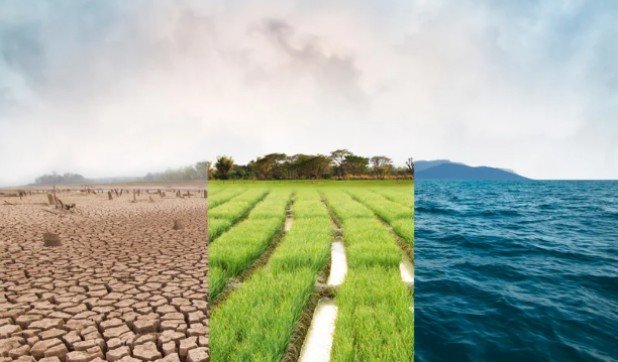
When I think about climate change, I no longer picture it as a distant environmental problem. I see it in flooded historic streets, shrinking glaciers, damaged coral reefs, disappearing beaches, and ski resorts struggling to maintain reliable snow. Understanding how climate change is affecting popular destinations helps me plan more responsibly and recognize that many familiar travel experiences are already changing.
The effects are not identical everywhere. Coastal cities face rising seas and flooding, while mountain communities deal with retreating glaciers and shorter winters. Tropical destinations are experiencing coral bleaching and coastal erosion. Hot-weather regions must respond to dangerous temperatures, drought, and wildfires. Together, these changes are reshaping when people travel, where they go, and what they experience after arriving.
Why Climate Change Is Reshaping Travel
Tourism depends heavily on predictable seasons, healthy ecosystems, safe transportation, and reliable access to water. Climate change disrupts all four.
Heatwaves can make outdoor attractions unsafe during the afternoon. Wildfires may close roads, trails, parks, and accommodations with little warning. Heavy rainfall and flooding can interrupt trains, ferries, and flights. Reduced snowfall affects winter sports, while warmer oceans damage the reefs that support diving and snorkeling tourism.
These pressures also affect residents. Water shortages, rising insurance costs, infrastructure repairs, and seasonal job losses can place considerable strain on communities that depend on visitors. Climate-conscious travel therefore involves more than protecting a vacation. It requires understanding the conditions local people face throughout the year.
Popular Destinations Experiencing Visible Changes
Venice Is Managing Higher Water and Weather Extremes
Venice has always experienced seasonal high water, but rising sea levels increase the long-term threat to its historic buildings, public spaces, and lagoon. The city must manage flooding alongside mass tourism, development pressure, and the expensive maintenance of protective infrastructure.
Visitors may encounter temporary walkway systems, restricted areas, weather-related interruptions, or changing access rules. Venice demonstrates how climate change and overtourism can reinforce each other. Fragile buildings and crowded public spaces become harder to protect when extreme weather coincides with intense visitor demand.
The Maldives Faces Sea-Level Rise and Erosion
The Maldives is famous for low-lying islands, clear lagoons, coral reefs, and beach resorts. Those same characteristics make the country especially vulnerable to sea-level rise, stronger coastal flooding, saltwater intrusion, and beach erosion.
Resorts and communities are responding with shoreline protection, elevated structures, reef restoration, and more resilient infrastructure. However, hard coastal barriers can alter natural sand movement. Responsible visitors should conserve freshwater, reduce waste, avoid touching coral, and choose operators that explain their environmental practices clearly.
The Great Barrier Reef Is Experiencing Coral Bleaching
Coral reefs are highly sensitive to prolonged ocean heat. When water remains unusually warm, corals can expel the algae that provide much of their color and energy. This creates the pale appearance known as bleaching.
Bleached coral is not necessarily dead, but repeated or extended heat stress makes recovery more difficult. Changes to reef health affect marine wildlife, coastal protection, fishing communities, and tourism businesses. Travelers can reduce local pressure by following snorkeling rules, never standing on coral, keeping distance from marine animals, and using responsible reef operators.
Alpine Destinations Have Shorter Snow Seasons
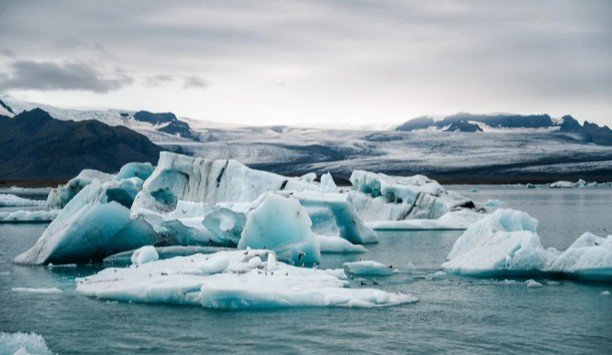
Mountain destinations are seeing less predictable snowfall, retreating glaciers, and changing freeze-and-thaw cycles. Lower-elevation ski areas are particularly exposed because rain may replace snow during warmer winter periods.
Some resorts use artificial snow, but snowmaking requires suitable temperatures, water, energy, and significant investment. Others are expanding hiking, cycling, wellness, and nature activities to attract visitors outside winter. Travelers may consequently find shorter ski seasons, higher operating costs, or a greater focus on year-round mountain tourism.
Mediterranean Destinations Face Extreme Heat
Many Mediterranean destinations remain extremely popular, but hotter summers are changing how visitors experience them. Prolonged heat can make midday sightseeing uncomfortable or unsafe, especially for older travelers, children, and people with health conditions.
Drought can strain water supplies, while dry vegetation increases wildfire danger. Attractions may reduce hours during dangerous temperatures, and authorities can close parks or archaeological sites temporarily. Spring and autumn may become more attractive, although extreme heat can increasingly occur outside the traditional summer season.
Caribbean Islands Are Exposed to Storms and Erosion
Caribbean destinations regularly prepare for tropical storms, but warmer seas and rising water levels can increase coastal risks. Storm surge, intense rainfall, and beach erosion may damage hotels, roads, ports, reefs, community infrastructure, and local food systems. Making sustainable food choices while traveling can help visitors support regional producers whose livelihoods may be affected by these pressures.
A destination can look open while some neighborhoods are still recovering. Travelers should check conditions beyond resort advertising, respect closed areas, and spend with locally owned businesses. Post-disaster tourism is most helpful when communities have confirmed they are ready to receive visitors.
How Traveler Behavior Is Changing
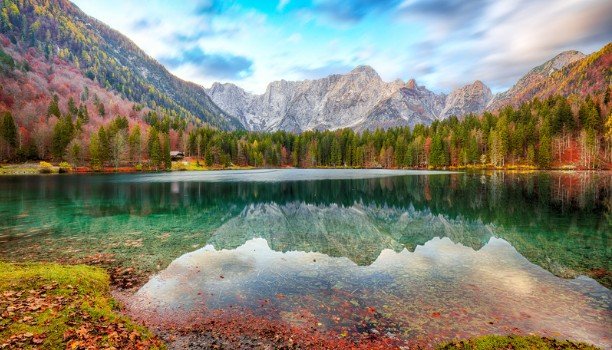
The discussion around how climate change is affecting popular destinations is influencing both travel timing and destination choice. Some travelers are replacing peak summer trips with spring or autumn visits. Others are choosing cooler northern regions, mountain environments, or destinations with dependable public transportation.
Another trend is last-chance tourism, in which people rush to see glaciers, reefs, or islands before they change further. Although understandable, this can place additional pressure on vulnerable locations. A threatened destination should not be treated as a disappearing product. Longer stays, fewer flights, local guides, and conservation-minded activities provide a more responsible approach.
How Destinations Are Adapting
Destinations are not simply waiting for conditions to worsen. Coastal communities are restoring wetlands and improving flood defenses. Mountain resorts are developing year-round attractions. Cities are adding shaded areas, cooling plans, water-management systems, and emergency warnings.
Tourism authorities are also promoting quieter seasons to reduce pressure during the hottest and busiest months. Some communities encourage longer visits instead of frequent short trips, helping local businesses receive more value from each traveler. Effective adaptation protects residents first while creating safer, more reliable experiences for visitors.
Frequently Asked Questions
1. How is climate change altering travel seasons?
Warmer temperatures can shorten ski seasons, extend wildfire periods, intensify summer heat, and move comfortable sightseeing conditions into spring or autumn.
2. Which destinations are most vulnerable?
Low-lying islands, coastal cities, coral reef regions, glacier destinations, dry Mediterranean landscapes, and lower-elevation ski areas face particularly visible risks.
3. How climate change is affecting popular destinations and travel costs?
It can increase costs through higher insurance premiums, protective infrastructure, artificial snowmaking, emergency repairs, water management, and transportation disruption.
4. Should travelers avoid vulnerable destinations?
Not automatically. Many communities rely on tourism income. Travelers should check local conditions, follow community guidance, avoid disaster-affected areas that are not ready, and support locally owned businesses.
5. What can travelers do to reduce pressure?
Visitors can travel outside peak periods, stay longer, conserve water, use public transportation, follow wildlife rules, reduce waste, and select businesses with clear environmental practices.
A More Thoughtful Way Forward
I do not believe the answer is to stop exploring vulnerable places completely. Travel can support employment, conservation, education, and cultural exchange when communities control how tourism develops. However, visiting responsibly requires more preparation than checking the weather a few days before departure.
For me, the most meaningful approach is to choose appropriate seasons, listen to local advice, reduce unnecessary environmental pressure, and accept that familiar destinations may no longer look or operate exactly as they once did. Climate-aware travel is ultimately about protecting the places people love while respecting those who call them home.