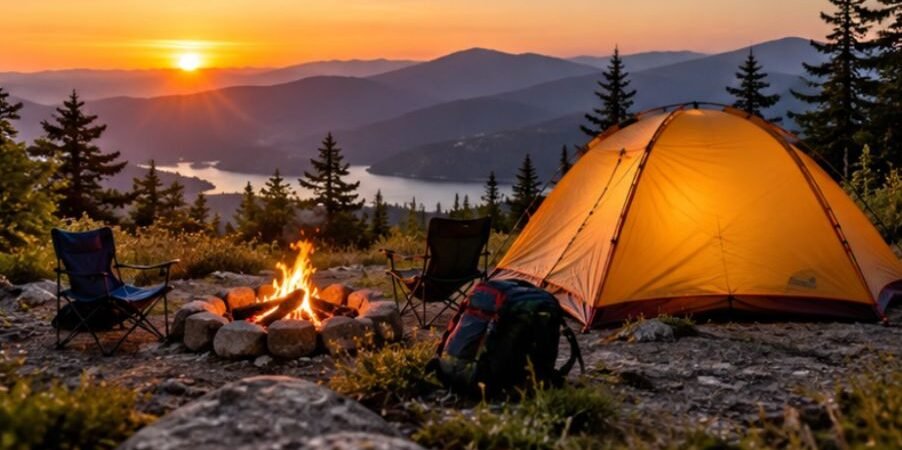
A wilderness permit can matter more than a plane ticket. For example, some Yosemite backcountry permits become available as far as 24 weeks before an entry date, while weather, trail access, and physical readiness can still change long after the reservation is made.
That is why learning how to plan an adventure vacation is less about filling every hour with activities and more about building a trip that can absorb uncertainty. The best adventure itinerary matches your ability, season, budget, transportation, equipment, and backup options before you commit to the exciting parts. Here is how I would build one from the ground up.
Start With the Adventure, Not the Destination
It is tempting to begin with a famous place: Yellowstone, Yosemite, Moab, Glacier, or the Grand Canyon. A better question is, “What do I actually want to do?”
A traveler interested in rafting needs different geography, weather, equipment, and risk planning than someone interested in mountain biking or a three-day adventure trip.
Define three things first: your main activity, your realistic physical ability, and the level of independence you want.
A guided adventure makes sense when the activity is technically demanding, equipment-intensive, unfamiliar, or difficult to navigate. Self-guided trips offer more flexibility but place transportation, route finding, emergency planning, and equipment decisions on you.
The National Park Service recommends matching outdoor activities to the abilities of everyone in the group rather than selecting a route simply because it is popular. Its trip-planning resources also emphasize checking reservations, equipment, emergencies, maps, and current park conditions before arrival.
Use a Five-Factor Destination Test
Before booking anything nonrefundable, score a destination against five factors.
| Factor | Question to Answer | Warning Sign |
| Ability | Can everyone comfortably complete the activity? | Trip requires skills nobody has practiced |
| Season | Are trails, rivers, roads, or facilities normally accessible? | Your dates fall near seasonal closures |
| Access | Can you reliably reach the starting point? | Rental restrictions, remote roads, limited shuttles |
| Reservations | Are permits or timed entries required? | Limited quotas or lotteries |
| Recovery | Is there enough rest between demanding days? | Multiple high-effort days with no buffer |
This test prevents an easy mistake: choosing a destination because photographs look appealing while ignoring whether the logistics match the people taking the trip.
Season deserves particular attention. “Summer” does not automatically mean ideal conditions. Desert destinations can become dangerously hot, mountain routes may retain snow, rivers change with runoff, and wildfire or storm conditions can alter access.
Reserve the Scarce Things First
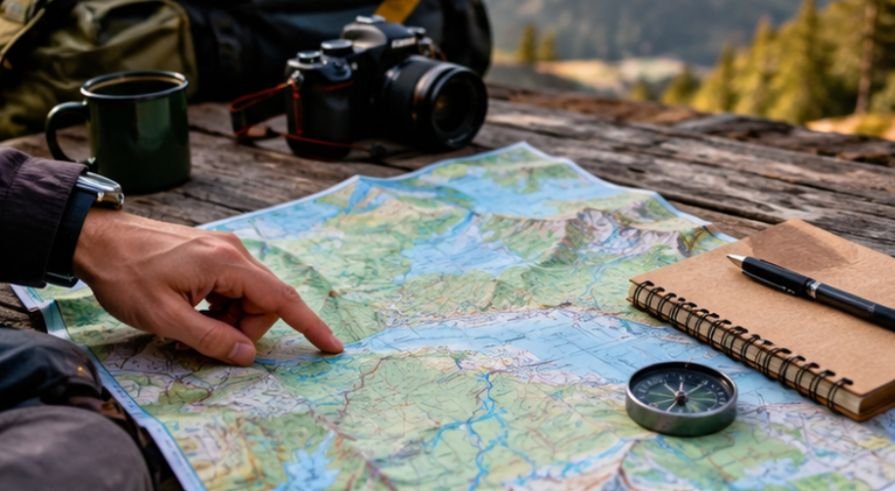
Once the destination passes the test, book according to scarcity rather than convenience.
Permits, guided expeditions, specialty lodging, limited shuttles, and popular campsites usually deserve attention before ordinary hotels or rental cars.
Check federal permits and reservation policies on Recreation.gov illustrates why. Yosemite Wilderness uses daily trailhead quotas, with some permit inventory released through advance lotteries and additional availability closer to departure. Other federal recreation areas operate completely different reservation windows. There is no universal “book six months ahead” rule.
Always confirm the rules for the exact trail, campsite, river section, climbing route, or activity you plan to use. Then arrange transportation backward from the activity. If a rafting launch requires meeting at 7 a.m., for example, arriving at a regional airport at 10 p.m. the previous evening may leave little margin for delays, rental-car problems, or a long drive.
Build a Budget That Includes Failure
A realistic adventure budget needs more than airfare, lodging, and activity fees.
Understanding the typical cost of adventure travel can help you set a realistic budget before adding equipment, transportation, permits, and emergency expenses.
Include equipment rental, baggage charges for specialized gear, park or permit fees, fuel, shuttles, food in remote communities, travel insurance, emergency accommodation, and at least one contingency day.
Also read insurance exclusions carefully. The CDC adventure travel health guidance specifically advises adventure travelers to check whether their policy covers their planned activities because some medical or travel policies exclude certain adventure sports.
That detail matters particularly for climbing, diving, backcountry skiing, remote trekking, and other activities where evacuation could be expensive.
Train for the Hardest Day, Not the Average Day
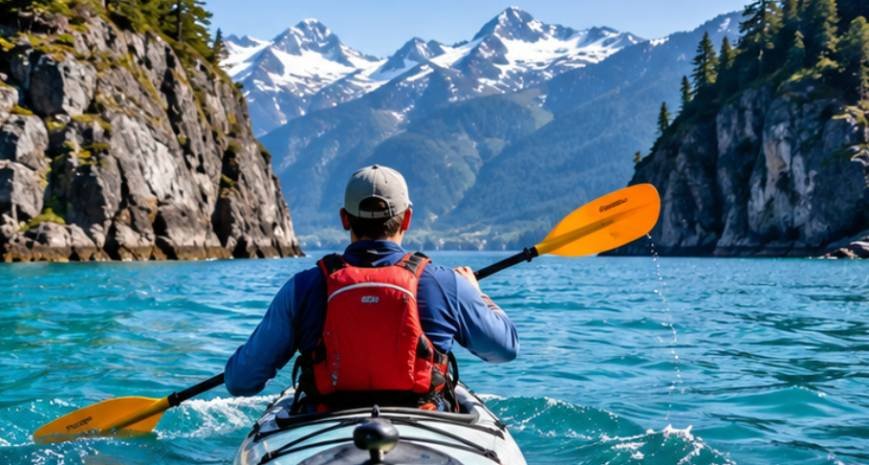
Fitness requirements are easy to underestimate because itinerary descriptions often use mileage without explaining elevation gain, heat, altitude, pack weight, current, technical terrain, or consecutive days of effort.
Before booking, it also helps to understand how to choose an adventure trip for your fitness level, so the itinerary matches your actual abilities and experience.
Training should resemble the trip.
For a hiking vacation, gradually increase walking distance and elevation while carrying the footwear and pack you expect to use. For cycling, build time in the saddle. For paddling, practice the actual movement rather than relying entirely on general gym fitness.
High altitude deserves additional planning. The CDC notes that travelers reaching elevations above 8,000 feet can be at risk for altitude illness and recommends gradual acclimatization where possible.
For international adventures or trips involving specific health risks, CDC guidance recommends consulting a healthcare provider or travel-health specialist roughly four to six weeks before departure.
Pack Around Consequences, Not Possibilities
People frequently overpack comfort items while forgetting equipment that matters when conditions change.
For most hiking-oriented adventures, think in systems: navigation, water, food, insulation, weather protection, lighting, first aid, sun protection, fire or emergency warmth where appropriate, and shelter.
The American Hiking Society recommends carrying its Ten Essentials and advises hikers not to depend exclusively on a phone or GPS for navigation in the backcountry.
Break in footwear before departure. Test your rain layer. Learn how your water filter works. Charge battery packs. Download offline maps before losing service.
The goal is not to carry equipment for every imaginable disaster. It is to prepare for foreseeable problems whose consequences would be serious.
Create a Plan B Before You Need It
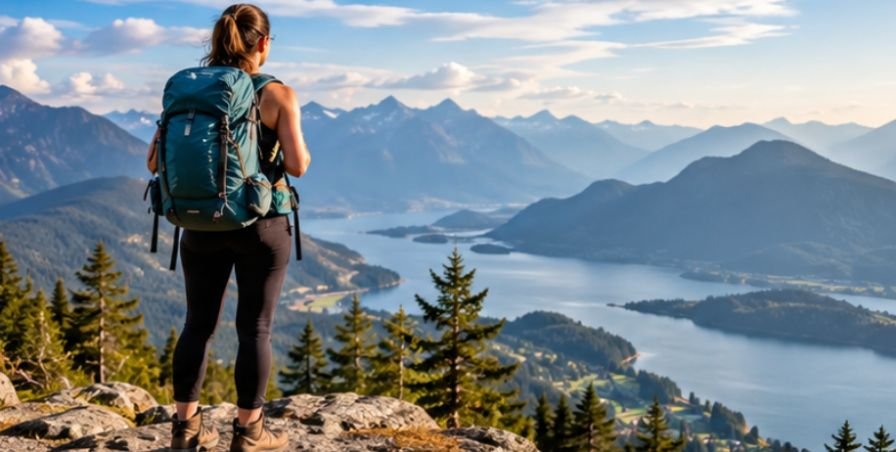
One of the strongest improvements you can make when deciding how to plan an adventure vacation is to create an alternate itinerary at the same time as the main one.
Ask what happens if the primary trail closes, storms delay a flight, wildfire smoke makes strenuous activity unpleasant, river conditions change, or someone develops an injury.
Your backup does not need to duplicate the original trip. A cancelled alpine hike might become a lower-elevation day hike, scenic drive, museum visit, kayaking session, or rest day.
Leave No Trace also recommends checking regulations and preparing for weather, hazards, emergencies, and periods of heavy use before entering outdoor areas. Flexibility is not wasted planning. It is what keeps one closed trail from ruining an entire vacation.
Leave Someone Your Actual Itinerary
Adventure trips become more complicated when cellular coverage disappears. The National Park Service recommends leaving a written trip plan with a trusted person who is not participating. It should include your destination, route, group details, expected return time, and relevant travel information. Such information can assist search-and-rescue personnel if you fail to return as planned.
Update that person if your route changes. A screenshot buried on your own phone does not accomplish the same thing.
Frequently Asked Questions
1. How far ahead should I plan an adventure vacation?
For ordinary trips, several months may be sufficient. Permit lotteries, limited campsites, major treks, or specialty tours can require planning six months or more ahead.
2. Is a guided adventure better for beginners?
Often, yes. Guides can handle navigation, specialized equipment, local hazards, and technical instruction. Independent travel works better when you already understand the activity and environment.
3. How much rest should an adventure itinerary include?
Avoid scheduling maximum-effort activities every day. One lighter or flexible day every few demanding days gives your body time to recover and provides room for weather disruptions.
4. What is the biggest adventure vacation planning mistake?
Planning around an ideal scenario. Weather, transportation, injuries, closures, and permit rules can change, so strong itineraries include realistic margins and alternatives.
Make the Trip Resilient, Not Perfect
The best adventure itinerary is not necessarily the one with the most miles, activities, or famous landmarks. It is the one that still works when something changes.
That is the real skill behind how to plan an adventure vacation: choose an experience that matches your ability, reserve scarce elements early, train for the demands, understand local rules, pack for meaningful risks, and keep an alternate plan available.
Adventure depends on uncertainty. Good planning should not remove that feeling. It should remove the preventable problems so the uncertainty that remains is the kind you traveled to experience.