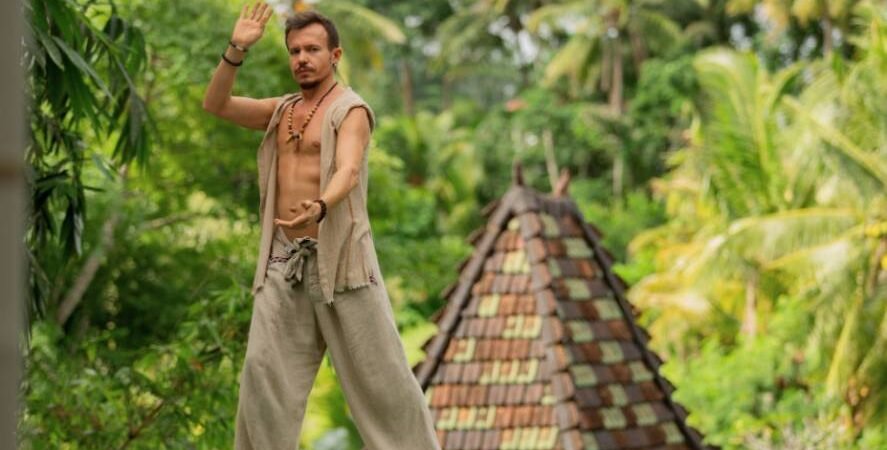
The first time I began looking beyond Hawaii’s postcard image, I realized the islands tell their story in ways that are easy to miss. You can hear it in an oli, see it in the deliberate movements of hula, recognize it in the sharing of a lei, and understand it through the responsibility Hawaiians place on caring for land and community. These practices are not simply reminders of the past; many remain active parts of life across the islands.
What makes the cultural traditions of Hawaii especially fascinating to me is how closely they connect people, ancestors, nature, and place. Polynesian voyaging knowledge, family relationships, spiritual beliefs, food traditions, land-management systems, and artistic expression all contribute to a Native Hawaiian identity that has endured profound historical change.
For travelers from the mainland United States, learning this context can transform Hawaii from a beautiful destination into a place understood with greater respect.
What Does Aloha Really Mean in Hawaiian Culture?
Aloha is far more than a greeting. It can express love, compassion, patience, kindness, mutual respect, and a sense of connection between people.
The importance of this idea even appears in Hawaii state law through the Aloha Spirit Law, which describes principles associated with aloha for public officials to consider in their work. Culturally, however, aloha is much broader than a legal concept. It reflects a way of treating people and places with genuine care.
Other important Hawaiian values include kuleana, meaning responsibility; pono, associated with righteousness and balance; and lōkahi, which emphasizes harmony and unity.
Why Are ʻOhana and Kūpuna So Important?
ʻOhana is commonly translated as family, but Hawaiian understandings of family can extend beyond a nuclear household. Relationships across generations and communities carry deep importance.
Kūpuna, or elders, can preserve genealogy, language, stories, practical knowledge, and family traditions. Respecting older generations helps cultural knowledge continue rather than becoming something found only in museums or history books.
How Do Mālama ʻĀina and Ahupuaʻa Connect People With Nature?
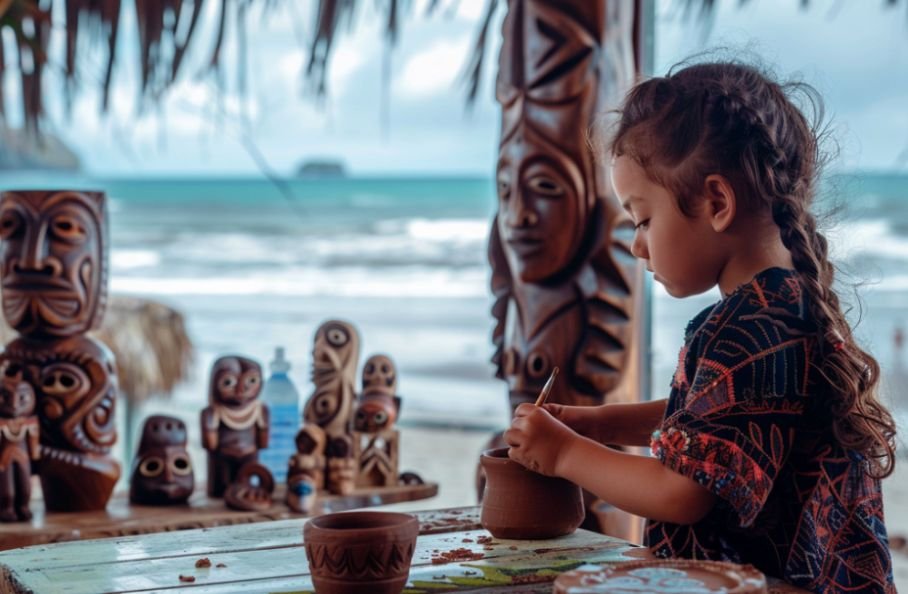
Mālama ʻāina refers to caring for the land. It reflects a relationship in which people benefit from natural resources while also accepting responsibility for protecting them.
Traditional ahupuaʻa demonstrate how practical that relationship could be. These land divisions generally connected upland areas with lower agricultural zones and coastal resources, helping communities manage water, farming, fishing, and other necessities across an interconnected landscape.
Travelers planning a trip during the cooler months can also explore best off-season destinations for mild winter travel for ideas on destinations with more comfortable winter conditions.
For me, this is one of the clearest examples of how Hawaiian environmental values combine cultural knowledge with everyday resource management.
Why Is Hula More Than Entertainment?
Hula is one of the most recognizable cultural traditions of Hawaii, but authentic hula is much more than a tourist performance. It serves as a storytelling art capable of preserving genealogy, historical events, mythology, relationships with places, and cultural memory.
Hula Kahiko generally refers to older traditional forms performed with chant and percussion. Hula ʻAuana developed later and often incorporates melodic music and Western-influenced instruments.
Hula is commonly taught through a hālau hula under the guidance of a kumu hula. This teacher-student relationship helps transmit movement, language, protocol, and cultural knowledge between generations.
What Are Mele and Oli?
Mele encompasses Hawaiian song, chant, and poetic expression, while oli commonly refers to unaccompanied chanting.
Oli can mark ceremonies, honor people or environments, preserve genealogy, and establish proper protocol when entering culturally significant spaces. Together with hula, these oral traditions helped preserve knowledge long before written records became widespread in Hawaii.
What Does Giving a Hawaiian Lei Symbolize?
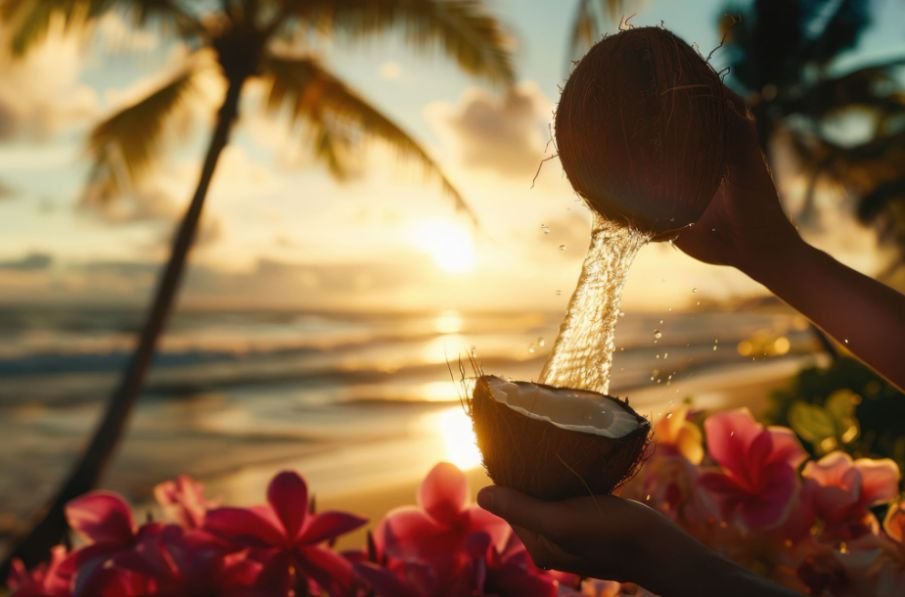
Lei can be made from flowers, leaves, shells, seeds, feathers, and other materials. Historically, certain lei could communicate identity or status. Today, they may express aloha, affection, honor, welcome, farewell, graduation, or another important transition.
A lei should be offered respectfully rather than carelessly tossed over someone’s head.
The tradition receives statewide recognition on May 1 through Lei Day, when communities celebrate lei making, Hawaiian music, and local cultural traditions.
What Is Honi Ihu?
Honi ihu is a traditional greeting involving close contact between the nose and forehead or nose area and is associated with sharing hā, or breath.
Rather than functioning like a casual modern handshake, the practice reflects concepts of connection, presence, and the importance traditionally given to breath and life.
How Did Hawaiians Navigate the Pacific Without Modern Instruments?
Traditional Polynesian navigators relied on detailed knowledge of the stars, sun, moon, wind, ocean swells, currents, clouds, and wildlife.
The modern revival of wayfinding is closely associated with the Polynesian Voyaging Society and the voyaging canoe Hōkūleʻa. Voyages beginning in the 1970s played an important role in rebuilding interest in ancestral navigation and wider Hawaiian cultural identity.
This revival became an important part of the Hawaiian cultural renaissance and demonstrated that traditional knowledge could remain useful in the modern world.
What Foods and Feasts Are Traditional in Hawaii?
Traditional Hawaiian foodways include kalo, or taro, poi, fish, sweet potatoes, seaweed, and foods gathered from both land and sea.
The imu, an underground oven, is used to cook foods such as kālua-style pork. Community feasting also has older roots. ʻAhaʻaina and pāʻina were historically used for gatherings and meals before “lūʻau” became the widely recognized term for a Hawaiian-style feast.
Modern lūʻau often combine Native Hawaiian traditions with influences from Hawaii’s multicultural population.
What Is Makahiki?
Makahiki is a traditional Hawaiian season associated with Lono. Historically, it involved religious observances, feasting, games, athletic contests, rest, and seasonal community activities.
Some forms of warfare and intensive labor were restricted during this period. Modern Makahiki events continue to introduce new generations to Hawaiian sports, ceremony, agriculture, and cultural knowledge.
Which Hawaiian Cultural Festivals Are Important Today?
King Kamehameha Day, observed in June, honors Kamehameha I, who unified the Hawaiian Islands. Celebrations can include floral parades, cultural events, and elaborate lei-draping ceremonies.
The Merrie Monarch Festival in Hilo honors King David Kalākaua and has become one of the most prominent celebrations of hula and Hawaiian arts. Alongside Lei Day and Makahiki observances, it demonstrates how traditional culture remains visible in contemporary Hawaii.
Are Native Hawaiian Traditions and Local Hawaii Culture the Same?
Not exactly. Native Hawaiian culture has Indigenous Polynesian roots. Modern local Hawaii culture also reflects generations of Japanese, Chinese, Filipino, Portuguese, Korean, Puerto Rican, and other influences.
Food, language, celebrations, and everyday customs often reflect that multicultural history. Recognizing this distinction prevents every modern island practice from being inaccurately labeled an ancient Hawaiian tradition.
How Can Visitors Respect Hawaiian Traditions?
Understanding the cultural traditions of Hawaiʻi should influence how travelers experience the islands. Visitors can respect sacred and historic places, stay on designated trails, protect marine and terrestrial wildlife, pronounce Hawaiian place names thoughtfully, support local businesses, and follow cultural guidance.
It also helps to remember that hula, Hawaiian language, sacred sites, ceremonies, and traditional symbols belong to a living culture rather than existing simply for vacation entertainment.
Travelers can take the same respectful approach when visiting pueblos to visit in New Mexico, where each community has its own traditions, visitor guidelines, and cultural practices.
Frequently Asked Questions
1. What Are the Best-Known Hawaiian Traditions?
Hula, lei giving, mele, oli, traditional voyaging, mālama ʻāina, ʻohana, Makahiki, Hawaiian foodways, and honi ihu are among the traditions most commonly associated with Native Hawaiian heritage.
2. What Is the Difference Between Hula Kahiko and Hula ʻAuana?
Hula Kahiko generally refers to older forms associated with traditional chant and percussion. Hula ʻAuana developed later and commonly uses melodic songs and instruments influenced by post-contact Hawaiian music.
3. What Is an Ahupuaʻa?
An ahupuaʻa is a traditional Hawaiian land-management division connecting different ecological zones so communities could access and care for resources such as water, farmland, forests, and fisheries.
4. Are Hawaiian Traditions Still Practiced?
Yes. Hula schools, Hawaiian-language education, traditional navigation, conservation, chanting, cultural festivals, agriculture, family traditions, and community programs continue throughout Hawaii.
Seeing Hawaii Beyond the Vacation Experience
The more I learn about Hawaiian heritage, the more differently I see the islands. Hula becomes an archive of stories. Voyaging becomes evidence of remarkable environmental knowledge. Lei express relationships, while mālama ʻāina connects culture with responsibility for the natural world.
For travelers who want to experience destinations that balance outdoor activities with time to unwind, exploring best places to travel for adventure and relaxation can provide inspiration for planning a more varied trip.
For me, understanding these traditions makes a trip to Hawaii more meaningful. Instead of seeing only scenery, I see a living Indigenous culture whose language, values, arts, knowledge, and community practices continue to influence the islands today.