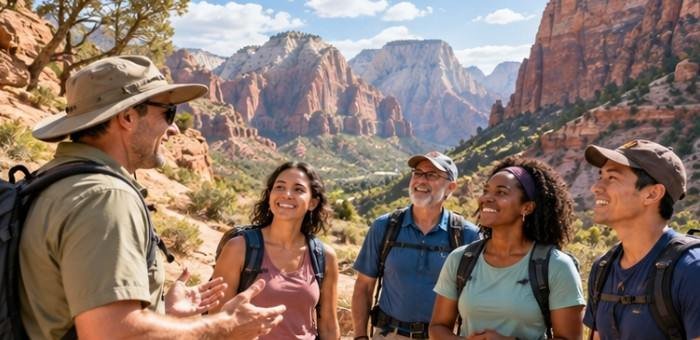
The biggest mistake first-time adventure travelers make is assuming “beginner-friendly” means effortless. A guided trip may handle transportation, lodging, reservations, navigation, and local logistics, but you could still spend several hours walking on uneven ground, deal with heat or altitude, or wake up early for wildlife viewing.
That is exactly why small group adventure tours for beginners can work so well. The right tour removes the intimidating parts of independent adventure travel without removing the adventure itself. You get a leader, a defined itinerary, companions, and support while learning what type of active travel actually suits you.
What Makes a Small Group Adventure Beginner-Friendly?
“Small group” does not have one universal definition. Exodus Adventure Travels, for example, says its guided groups typically contain eight to 16 travelers, while individual Intrepid itineraries may have maximum group sizes around 12 to 16.
For a beginner, though, group size matters less than support.
A genuinely approachable travel itinerary planning should clearly state its physical demands, explain the terrain and daily activity duration, provide an experienced leader, and leave enough recovery time between harder activities. Accommodation and transport arrangements should also be obvious before you pay.
Intrepid is particularly useful as an example because its trips carry physical ratings from 1 to 5, helping travelers distinguish relaxed itineraries from demanding ones. Its multi-active trips may not require previous technical experience, although participants can still need basic skills such as swimming or cycling.
That distinction is important: no previous experience does not mean no physical preparation.
The Five-Minute Test Before You Book
Before comparing destinations, examine one ordinary day on the itinerary. Ignore the dramatic photos and ask five practical questions: How many hours will I be active? What is the elevation gain? What surface will I walk or ride on? Is participation optional? What happens if I cannot complete an activity?
The National Park Service recommends choosing activities according to your current experience, fitness, terrain tolerance, duration, weather, and skill level rather than what you hope you will be capable of on vacation.
A simple way to evaluate tours is this:
| Factor | Easier first trip | Think carefully before booking |
| Daily activity | 2–4 hours with breaks | 6+ active hours on consecutive days |
| Terrain | Established paths, roads, boardwalks | Loose rock, steep drops, scrambling |
| Elevation | Low or moderate | Sleeping or exercising above 8,000 ft |
| Activities | Walking, wildlife viewing, easy paddling | Technical climbing or strenuous trekking |
| Flexibility | Activities can be skipped | Every activity required to continue itinerary |
| Accommodation | Hotel or lodge based | Remote multi-night backcountry camping |
If three or more items fall into the right column, it may be better as your second adventure rather than your first.
Three Destinations That Make Sense for First-Timers

US National Parks: The Easiest Place to Start Close to Home
For Americans who want adventure without complicated travel international without checking luggage logistics, national parks are an obvious entry point.
TourRadar currently lists small-group US itineraries ranging from short Zion and Bryce trips to longer Yellowstone and Rocky Mountain journeys. Its marketplace format makes it useful for comparing operators, durations, accommodation styles, and activity levels rather than relying on one tour company.
A lodge-based Zion and Bryce itinerary, for example, can introduce you to desert hiking while someone else manages transportation and lodging. Yellowstone offers a different rhythm: shorter walks combined with geothermal landscapes and wildlife observation.
Before departure, check the individual park rather than relying entirely on your operator. The National Park Service advises visitors to review current alerts, reservations, weather, transportation, terrain, and available services. The agency’s Hike Smart guidance is especially useful for a first outdoor trip.
Costa Rica: Adventure Without Needing Expedition Skills
Costa Rica works well when you want several types of activity without committing to one specialist sport.
Beginner-oriented itineraries can combine rainforest walks, wildlife viewing, swimming, hanging bridges, cultural experiences, and optional activities. Intrepid’s current Costa Rica offerings illustrate this variety; some combine guided national park walks with comfortable accommodations and small groups.
The advantage is flexibility. You can learn whether you enjoy hiking, wildlife travel, rafting, or tropical environments before spending thousands of dollars on a highly specialized expedition.
International adventure travel does introduce additional considerations, however. The CDC’s adventure travel guidance recommends preparing physically, understanding personal limits, packing appropriate equipment, and seeking destination-specific health advice before demanding or remote trips.
Amalfi Coast: Culture With an Active Component
Not every adventure vacation needs helmets and rapids. A walking-oriented trip can be a better introduction for travelers who want movement mixed with food, history, villages, and comfortable lodging.
Exodus offers guided Amalfi Coast programs with small groups and graded activity levels. One of its walking itineraries is rated moderate and involves four-to-six-hour walking days, uneven paths and significant numbers of steps, showing why travelers should read the detailed difficulty description rather than relying on the phrase “walking vacation.”
Its more culture-focused Amalfi itinerary is graded easy to moderate, making that type of program potentially more approachable for someone testing active travel for the first time.
Why Guided Small Groups Reduce Some—but Not All—Risk
A tour leader can help with navigation, schedules, transportation and local decisions. A group also means you are less likely to deal with unfamiliar surroundings entirely alone.
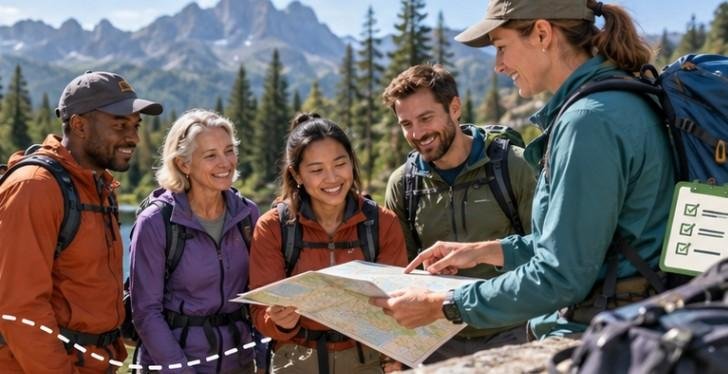
But the guide cannot supply your fitness, broken-in footwear or judgment.
The American Hiking Society advises new hikers to choose routes based on their present fitness rather than aspirational fitness and gradually progress from shorter hikes to more difficult ones. Its beginner hiking guidance is useful even if a commercial operator is organizing the trip.
Altitude deserves particular attention. The CDC says travelers above 8,000 feet can be at risk of altitude illness and recommends gradual acclimatization when heading higher.
That makes a low-altitude coastal walk fundamentally different from a Himalayan trek, even if both advertisements use the word “adventure.”
Prepare for the Tour, Not the Marketing Photo
For small group adventure tours for beginners, preparation can be surprisingly simple. If your itinerary involves walking, spend several weeks building up to comparable walking durations at home. Test your footwear before departure and practice carrying the daypack you expect to use.
Learn enough outdoor safety to understand what your guide is doing. The Leave No Trace principles cover preparation, responsible trail use, waste, wildlife and consideration for other visitors.
For trips into more remote areas, basic first aid knowledge becomes increasingly valuable. The American Red Cross wilderness first-aid resources address problems ranging from heat illness and hypothermia to injuries and altitude-related illness.
Most importantly, read the operator’s detailed trip notes. Find out which meals, equipment, transfers and activities are included. Check cancellation terms and travel-insurance requirements, and determine whether optional experiences add substantially to the advertised price.
Common Beginner Misconceptions
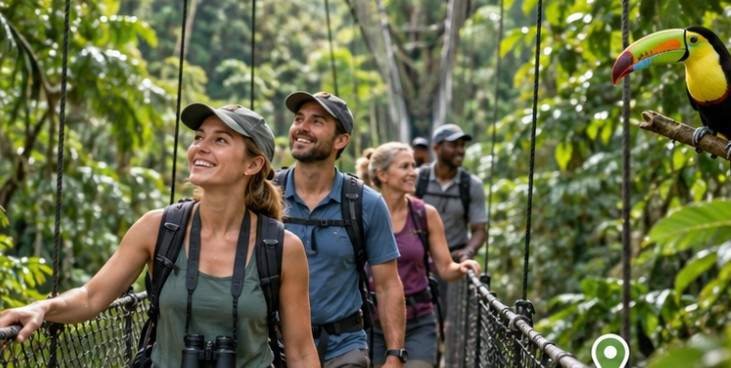
Small groups are not automatically slow-paced. An eight-person hiking group can be far more demanding than a 20-person cultural tour.
Likewise, “guided” does not mean somebody will carry you through an activity you are not physically prepared to perform. And “easy” is relative: heat, stairs, altitude, humidity and repeated walking days can turn an individually manageable activity into a tiring vacation.
The best first adventure therefore is not the most impressive itinerary you can survive. It is one that leaves enough energy to enjoy where you are.
Frequently Asked Questions
1. Are small group adventure tours suitable for solo travelers?
Yes. Many operators accept solo bookings, and small groups naturally create opportunities to meet other travelers. Check whether a single-room supplement applies and whether room sharing is available.
2. How fit should I be for small group adventure tours for beginners?
You do not need elite fitness, but you should comfortably manage the itinerary’s typical daily activity. Train specifically for walking time, terrain, elevation and any cycling or swimming involved.
3. How many people are normally on a small group tour?
There is no industry-wide number. Some major adventure operators commonly use groups of roughly eight to 16 travelers, although the exact maximum varies by itinerary and company.
4. Should my first adventure tour include camping?
Only if camping itself interests you. A hotel- or lodge-based itinerary reduces equipment and recovery challenges, making it easier to discover whether you enjoy active travel before attempting backcountry trips.
Start One Level Easier Than Your Ego Suggests
The smartest first adventure rarely begins with the hardest trail you can technically finish. I would choose a trip with transparent activity ratings, manageable terrain, optional harder experiences and enough downtime to actually notice the destination.
That might mean hiking among Zion’s cliffs, watching wildlife in Costa Rica or walking between Italian coastal villages rather than attempting an expedition-style trek.
Once you know how your body responds to consecutive active days, unfamiliar climates and group travel, your second trip can be more ambitious. A successful beginner adventure should leave you thinking about where to go next—not promising yourself you will never do it again.