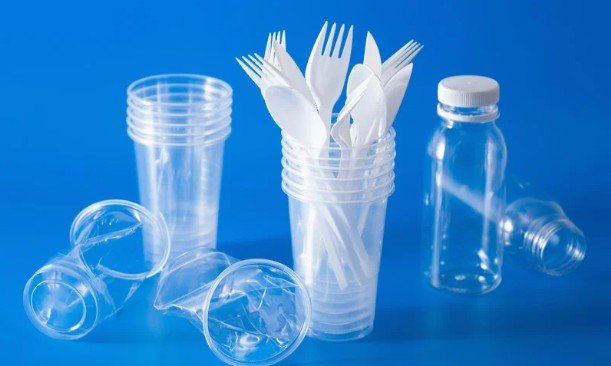
Travel often involves bottled water, wrapped snacks, miniature toiletries and disposable cutlery. I used to accept these items without considering how quickly they accumulated. By the end of a short trip, I could have a bag filled with packaging that had been useful for only a few minutes.
Learning how to avoid single use plastic while traveling does not require achieving a perfectly waste-free journey. It means preparing for predictable situations and replacing disposable items wherever a safe, practical reusable option exists. A small travel kit, thoughtful bookings and a few polite requests can prevent considerable waste without making a trip inconvenient.
Understand Where Travel Plastic Comes From
Reducing waste becomes easier when you know where it commonly appears. Airports and transport terminals sell drinks in bottles and meals with disposable utensils. Airlines may provide plastic cups, wrapped blankets, packaged headphones and individual snacks. Hotels can add miniature toiletries, laundry bags and bottled water.
Restaurants, street-food vendors, convenience stores and tour operators create additional waste through bags, straws, takeaway boxes, rain ponchos and packaged refreshments. Identifying these situations before departure allows you to prepare suitable alternatives rather than making rushed decisions.
Pack a Compact Reusable Travel Kit

A reusable kit should be small enough to carry every day. Start with a durable water bottle, cup, washable utensils, cloth napkin and lightweight shopping bag. A reusable container or silicone pouch can hold snacks and takeaway food.
Use items you already own before buying new products marketed as sustainable. Reusing an existing bottle or container usually makes more sense than purchasing replacements unnecessarily.
Keep the kit accessible in your personal bag instead of packing it at the bottom of a suitcase. Reusable items cannot prevent waste when they are unavailable at the moment you order a drink or meal.
Choose Refillable and Solid Toiletries
Replace miniature toiletry bottles with refillable containers filled from products at home. Shampoo, conditioner and soap bars can reduce packaging while also saving space.
Store solid products in reusable tins or draining containers so they can dry between uses. Refillable deodorant, a durable razor and a bamboo or long-lasting toothbrush can further reduce bathroom waste.
Check airline liquid restrictions before packing. Solid toiletries can simplify security screening, but certain pastes, gels and creams may still be treated as liquids.
Research Water Safety Before Departure
A reusable bottle is helpful only when safe water is available. Before traveling, check official health guidance, accommodation information and recent local advice about drinking water.
In places with safe tap water, locate public fountains or bottle-refill stations. Airports commonly place fountains beyond security, so take an empty bottle through screening and fill it before boarding.
Where tap water is unsafe, ask whether your accommodation provides properly treated water or a large dispenser. Some hotels and guesthouses allow travelers to refill bottles from filtered supplies. A large returnable water container may create less waste than several small bottles.
Do not assume that every portable filter makes all water safe. Filters vary in their ability to remove bacteria, viruses, parasites and chemical contaminants. Confirm that a device is appropriate for the destination and follow its instructions carefully.
Reduce Plastic at Airports and on Flights

Pack snacks in reusable containers before leaving for the airport. Whole fruit, sandwiches, nuts and dry snacks can reduce the need for individually wrapped food, subject to security and customs restrictions.
Download boarding passes and travel documents when digital versions are accepted. Decline unnecessary plastic cups, straws, packaged headphones and amenity kits. If cabin staff permit it, ask them to fill your reusable cup or bottle.
Not every disposable item can be avoided. Security rules, hygiene policies and airline procedures may limit reusable alternatives. Focus on the choices within your control instead of treating perfection as the goal.
Make Lower-Waste Food Choices
When ordering a drink, politely request no straw unless you need one for accessibility or medical reasons. Carry reusable utensils for meals that would otherwise include disposable cutlery.
Eat at the restaurant when possible because dine-in meals often require less packaging than takeaway orders. If you need food to go, ask whether the business can place it in your clean container. Accept that some establishments may decline because of local health regulations.
To visit national parks responsibly, reduce unnecessary waste before entering protected areas. Choose loose fruit, bakery items, and locally prepared food with minimal packaging. At markets, show your reusable bag before a vendor automatically reaches for a plastic one.
Choose Accommodation Carefully
Contact an accommodation before booking and ask about filtered water, bulk toiletry dispensers and recycling facilities. Specific answers are more useful than vague claims about being environmentally friendly.
During your stay, use your own toiletries and decline unnecessary dental kits, combs, slippers and laundry bags. Leave unopened amenities untouched so they can remain available for another guest.
A sustainability label can be helpful, but it should not replace practical questions. Look for visible measures such as refill stations, reusable dining ware and clearly explained waste systems.
Plan for Tours, Shopping and Outdoor Activities

Ask tour operators whether they distribute bottled water, packaged meals or disposable rain ponchos. Favor companies that use refill stations, washable equipment and reusable food containers.
Carry a foldable tote when visiting markets and souvenir shops. Select durable locally produced items with little eco-friendly food packaging rather than mass-produced objects wrapped in layers of plastic.
For beaches, hikes and nature excursions, pack out everything you carry in. Never leave waste beside an overflowing bin. Secure lightweight wrappers so wind cannot carry them into waterways or wildlife habitats.
Handle Unavoidable Plastic Responsibly
Some plastic is essential for medicine, disability access, food safety and emergencies. Travelers should prioritize their health rather than feel pressured to refuse something necessary.
Reuse safe items when appropriate, but do not repeatedly reuse containers that were not designed for that purpose. Follow local recycling instructions because accepted materials vary considerably between destinations. A recycling symbol does not guarantee that an item can be processed locally.
The most effective priority is refusing unnecessary items, followed by reducing consumption and reusing durable products. Recycling should be treated as the final option rather than the main solution.
Frequently Asked Questions
1. How can beginners reduce disposable plastic on a trip?
Begin with a refillable bottle, reusable shopping bag and personal toiletries. These simple items address several of the most frequent sources of travel waste.
2. Is carrying a reusable bottle through airport security allowed?
Travelers can generally take an empty reusable bottle through security and fill it afterward. Always verify the rules of the airports and countries on your itinerary.
3. How can I get safe water without buying small bottles?
Use verified refill stations, properly treated hotel water or larger returnable containers. In destinations with unsafe tap water, check official health guidance before choosing a filtration or purification method.
4. How to avoid single use plastic while traveling when ordering food?
Eat in when possible, decline unnecessary straws and cutlery, and ask whether clean personal containers are accepted. Respect businesses that cannot accept them because of hygiene regulations.
A More Thoughtful Way to Travel
I have found that reducing travel waste becomes much easier when reusable items are packed before they are needed. Planning for water, meals, toiletries and shopping removes many situations in which disposable plastic seems like the only choice.
I do not expect every journey to be completely plastic-free. Health requirements, local infrastructure and unexpected circumstances can make some waste unavoidable. What matters is making consistent, informed decisions and supporting businesses that offer better systems. Small habits repeated across every journey can protect destinations while keeping travel comfortable and realistic.