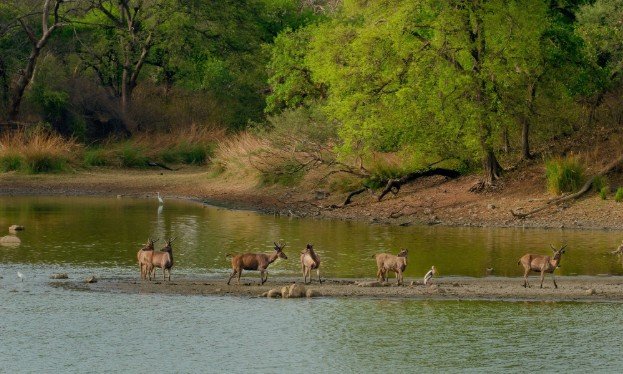
I once assumed that any attraction using words such as “rescue,” “sanctuary,” or “conservation” must be helping animals. I later learned that attractive labels and heartwarming photographs can hide harmful practices. Planning ethical wildlife encounters for travelers requires looking beyond promotional claims and examining how animals are treated before, during, and after each visit.
A responsible experience lets wild animals behave naturally without being forced to perform, pose, eat, swim, or approach people. The best encounter often feels less dramatic than an animal selfie, but it creates a more authentic connection while protecting wildlife and its habitat.
What Makes a Wildlife Encounter Ethical?
An ethical encounter places animal welfare ahead of entertainment, convenience, and guaranteed photographs. Animals should have enough space to move away from visitors, rest without interruption, and follow their natural routines.
In the wild, responsible operators observe animals from an appropriate distance and follow local regulations. In legitimate rescue facilities, contact is limited, breeding is not conducted merely to produce young animals for visitors, and conservation or rehabilitation remains the central purpose.
The simplest principle is that travelers should adapt their behavior to the animal. The animal should never be trained, restrained, baited, or stressed to satisfy tourists.
Research the Operator Before Booking
A polished website does not prove that an operator behaves responsibly. Examine recent traveler photographs, videos, independent reviews, and social media posts. Visitor-generated content may reveal activities that promotional pages conveniently omit.
Look for images showing people touching animals, feeding them, crowding them, or surrounding them with phones. Check whether guides carry sticks, hooks, chains, food, or other tools used to control animal behavior.
Responsible businesses clearly explain their viewing rules, maximum group sizes, guide qualifications, conservation work, and approach to animal welfare. Vague promises about “giving back” without measurable details deserve additional investigation.
Avoid Guaranteed Wildlife Sightings

Wild animals do not follow tourism schedules. Operators that guarantee encounters may rely on feeding, baiting, tracking animals too aggressively, or keeping supposedly wild animals in controlled areas.
A trustworthy guide explains that sightings depend on the season, weather, habitat conditions, and natural animal movement. Missing an animal can be disappointing, but uncertainty is part of observing genuinely free wildlife.
Choose operators that prioritize patient observation instead of pursuing animals until visitors receive the photograph they expected.
Never Feed or Touch Wild Animals
Feeding can change natural behavior and teach animals to associate people with food. It may also increase aggression, dependency, disease transmission, road accidents, and conflict with nearby communities.
Touching creates additional risks. Human contact can frighten animals, spread illness, interrupt feeding or resting, and separate parents from their young. Even apparently calm animals may be frozen by fear or conditioned through punishment.
Experiences involving cuddling cubs, holding sloths, bathing elephants, posing with primates, or swimming with captive dolphins should be treated as serious warning signs.
Reject Performances and Unnatural Behavior
Wild animals do not naturally paint pictures, ride bicycles, dance, box, balance objects, or pose repeatedly for photographs. Such performances typically require intensive training and may involve coercion, food deprivation, confinement, or punishment.
Unnatural behavior is not limited to formal shows. An animal positioned in the same place throughout the day for selfies is also performing for visitors. So is an animal repeatedly encouraged to approach, embrace, or entertain people.
A respectful tour allows animals to decide where they go and what they do without human direction.
Check Whether a Sanctuary Is Genuine

The word “sanctuary” is not automatic proof of ethical care. Ask why the animals are there, how they were acquired, whether they are bred, and whether rehabilitation or release is possible.
A genuine sanctuary does not sell animals, breed them for visitor demand, or provide constant hands-on interactions. Some rescued animals cannot safely return to the wild, but their permanent care should emphasize privacy, appropriate habitat, veterinary support, and freedom from performances.
Facilities should also explain how admission fees support animal care or conservation. Just as sustainable packing tips for international travel encourage responsible preparation, clear financial information helps visitors make more informed choices. Transparency is more meaningful than emotional marketing language.
Choose Small Groups and Qualified Guides
Small groups usually create less noise, movement, and pressure around wildlife. They also make it easier for guides to manage visitor behavior and prevent people from getting too close.
Look for trained naturalists, biologists, conservationists, experienced rangers, or knowledgeable local guides. A responsible guide interprets animal behavior, explains ecological relationships, enforces distance rules, and ends an encounter when an animal shows signs of distress.
Good guides never use flash photography, recorded calls, thrown objects, food, or loud noises to force an animal into view.
Follow Responsible Wildlife Photography Practices
A photograph should never be more important than an animal’s safety. Use a zoom lens instead of approaching, remain on established trails, keep noise low, and obey instructions from guides or park authorities.
Avoid blocking escape routes, surrounding animals, separating family groups, or moving vegetation to improve a shot. Flash can disturb nocturnal species, nesting birds, and animals with sensitive vision.
Travelers should also think carefully before posting close-contact wildlife images. Even if a photograph was taken during a rescue or scientific activity, it can encourage other people to seek harmful imitations.
Support Conservation and Local Communities
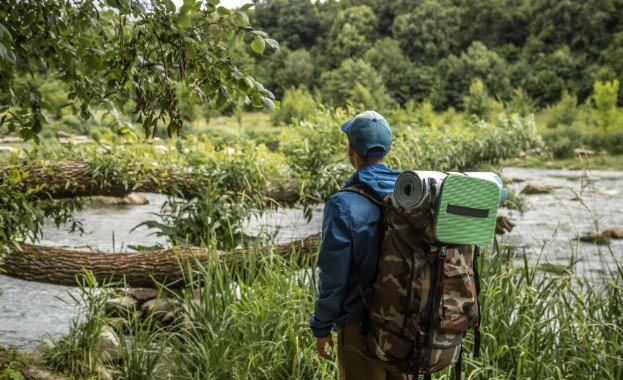
Responsible tourism should provide benefits beyond the visitor’s experience. Look for tours that employ local residents, protect habitats, fund research, support anti-poaching programs, or contribute directly to conservation organizations.
However, charitable language alone is insufficient. Ask how much money is contributed, which projects receive support, and whether local communities participate in decision-making.
When communities receive fair economic benefits from protecting wildlife, conservation can become more valuable than exploitation. Spending on local guides, accommodations, food, and community-owned experiences can strengthen that relationship.
What Should You Do If a Tour Disturbs Wildlife?
If a guide begins feeding, chasing, touching, or crowding animals, do not participate. Ask the guide to stop if it is safe to do so, and leave the activity when possible.
Record factual details without creating further disturbance. Afterward, report the incident to the operator, protected-area management, relevant tourism authority, or animal-welfare organization. A calm, specific review can also warn future travelers.
Avoid exaggeration and describe exactly what occurred, including the location, date, activity, and operator’s response.
Frequently Asked Questions
1. What are ethical wildlife encounters for travelers?
They are experiences that allow people to observe animals without harming, controlling, feeding, touching, or significantly changing their natural behavior. Responsible encounters also protect habitats and support conservation or local communities.
2. Is it ever acceptable to touch a wild animal?
Generally, travelers should not touch wildlife. Limited contact may be necessary during professional veterinary treatment, rescue, or scientific work, but these activities should not be staged for tourist entertainment.
3. Are all wildlife sanctuaries ethical?
No. Some commercial attractions use the word “sanctuary” while breeding animals, offering direct contact, or organizing performances. Travelers should investigate the facility’s acquisition, breeding, rehabilitation, release, and visitor-contact policies.
4. Is responsible whale watching possible?
Yes, when operators maintain regulated distances, limit viewing time, avoid blocking the animals’ direction of travel, control boat speed, and never chase or surround whales.
5. How can travelers recognize an ethical tour guide?
Responsible guides enforce distance rules, discourage contact, explain animal behavior, avoid guaranteed sightings, use small groups, and stop viewing when animals display distress or attempt to leave.
A More Respectful Way to Meet Wildlife
I have found that the most memorable encounters are not the ones in which an animal performs for me. They are the quiet moments when wildlife continues feeding, traveling, resting, or caring for its young without reacting to my presence.
Careful research, respectful distance, responsible photography, and support for conservation-minded operators allow us to experience wildlife without turning animals into attractions. Every booking sends a message, and choosing observation over interaction helps make protection more profitable than exploitation.