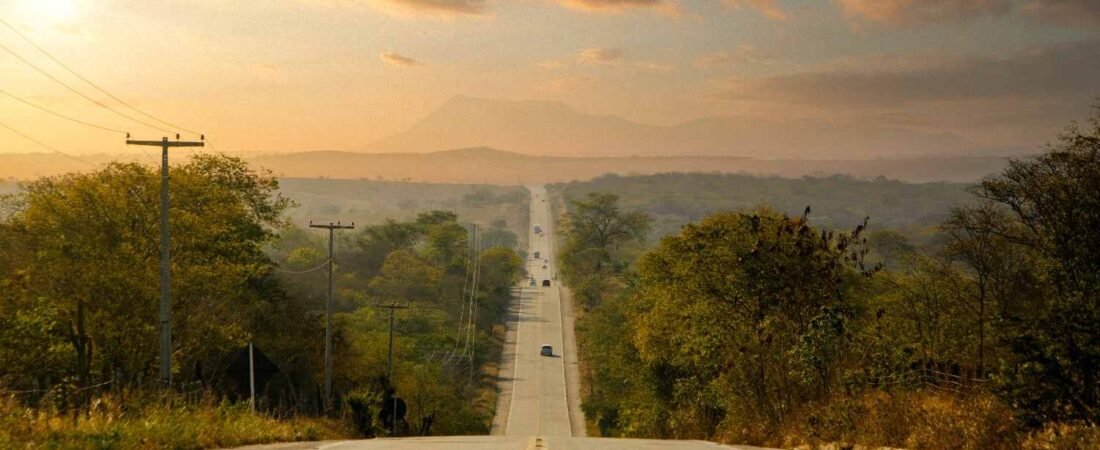
Alabama’s highways connect far more than cities—they trace some of the most important turning points in modern American history. A civil rights road trip through Alabama takes me from Birmingham, where young demonstrators challenged segregation, to Selma, where marchers risked their lives for voting rights, and onward to Montgomery, where landmark protests and legal battles helped reshape the nation.
Adding Tuskegee and Anniston brings even more depth through the stories of the Tuskegee Airmen and Freedom Riders. Over four to five days, this route offers a powerful way to experience the places where courage, resistance, and organized action changed the United States.
Day 1: What Civil Rights Sites Should You Visit in Birmingham?
Start in Birmingham’s Civil Rights District, where several major landmarks sit close together.
Birmingham Civil Rights Institute and Kelly Ingram Park
The Birmingham Civil Rights Institute provides essential context before exploring the surrounding district. Its permanent galleries examine segregation, the Montgomery Bus Boycott, Birmingham’s local movement, and the confrontations of the early 1960s. Exhibits include artifacts associated with Birmingham Jail and the 1963 Children’s Crusade.
Across the street, Kelly Ingram Park preserves the landscape where young demonstrators confronted police, dogs, and fire hoses during the Birmingham Campaign. Its sculptures help visitors understand why images from Birmingham became nationally recognized symbols of resistance to segregation.
16th Street Baptist Church and A.G. Gaston Motel

Next, visit 16th Street Baptist Church, where the September 1963 bombing killed Addie Mae Collins, Denise McNair, Carole Robertson, and Cynthia Wesley. The attack became one of the most widely remembered tragedies of the Civil Rights era.
The nearby A.G. Gaston Motel adds another side of Birmingham’s story. Martin Luther King Jr., Ralph Abernathy, Fred Shuttlesworth, and other Southern Christian Leadership Conference leaders used Room 30 as a strategy space during the 1963 Birmingham Campaign. The historic 1954 wing is currently closed for a major renovation expected to last about 18 months from May 2026, although parts of the later wing remain accessible.
Day 2: What Should You See in Selma?
Drive roughly 90 miles south toward Selma, one of America’s most important voting-rights landmarks.
Brown Chapel AME Church and Edmund Pettus Bridge
Begin at Brown Chapel AME Church. The church served as a headquarters for movement activity and was the starting point for the Selma-to-Montgomery marches. On March 7, 1965, approximately 600 peaceful demonstrators left the church and headed toward Montgomery.
Six blocks away, they crossed the Edmund Pettus Bridge and encountered Alabama state troopers and other law-enforcement personnel. The violent attack became known as Bloody Sunday and was broadcast nationally, helping build support for federal voting-rights legislation.
Walk the bridge, then allow time for the National Voting Rights Museum and Institute, where exhibits focus on the grassroots activists and “foot soldiers” behind the voting-rights struggle.
Travelers should note that the permanent Selma Interpretive Center is closed for major construction until 2028. The National Park Service currently operates a temporary location at the Selma Welcome Center.
Day 3: How Do You Follow the Selma-to-Montgomery March Route?
Rather than taking the fastest highway to Montgomery, follow the historic U.S. Highway 80 corridor.
The Selma to Montgomery National Historic Trail follows approximately 54 miles from Brown Chapel through Lowndes County before ending at the Alabama State Capitol. The successful 1965 march began March 21 and reached Montgomery five days later, eventually growing to about 25,000 participants.
Stop at the Lowndes Interpretive Center
About halfway between Selma and Montgomery, stop at the Lowndes Interpretive Center near White Hall. Exhibits explain the voting-rights movement, the march, and Tent City, where Black families who faced retaliation after registering to vote found temporary housing. The center is currently open Monday through Saturday.
Driving this historic corridor makes a civil rights road trip through Alabama feel connected rather than like a series of unrelated museums.
Day 3–4: Which Civil Rights Sites Are Essential in Montgomery?

Montgomery deserves at least a full day because several major American Civil Rights landmarks are concentrated downtown.
Rosa Parks Museum and Dexter Avenue King Memorial Baptist Church
The Rosa Parks Museum stands at the location associated with Parks’ December 1, 1955 arrest. Its exhibits explain her role, the Women’s Political Council, the Montgomery Improvement Association, and the 382-day Montgomery Bus Boycott that challenged segregated public transportation.
Nearby Dexter Avenue King Memorial Baptist Church connects the boycott directly to Martin Luther King Jr., who served as pastor there. Church tours are currently available by appointment, with no tours offered on Sundays or Mondays.
Legacy Museum and National Memorial for Peace and Justice
The Equal Justice Initiative’s Legacy Museum examines American history from enslavement and racial terror through segregation and mass incarceration. The National Memorial for Peace and Justice commemorates victims of racial terror lynching.
These are not quick stops. EJI advises allowing at least two hours for the museum, while most visitors spend three to five hours. The broader Legacy Sites now also include Freedom Monument Sculpture Park and Montgomery Square.
Day 4–5: Should You Add Tuskegee and Anniston?
If your schedule allows a fifth day, these extensions significantly broaden the historical story.
Visit Tuskegee Airmen National Historic Site
At Moton Field in Tuskegee, visitors can learn about the first African Americans trained and qualified as military aviators in the U.S. Army Air Forces during World War II. The broader “Tuskegee Experience” also involved navigators, mechanics, nurses, instructors, and other personnel who challenged discriminatory assumptions within a segregated military.
The site’s hangars are currently open Monday through Saturday from 9 a.m. to 4:30 p.m., making advance schedule planning worthwhile.
Finish at Freedom Riders National Monument in Anniston
Anniston adds the story of the 1961 Freedom Rides. An interracial group of activists traveled through the South to challenge segregation in interstate bus facilities. A white mob attacked their Greyhound bus in Anniston, slashed its tires, pursued it outside the city, and firebombed it after the damaged tires failed.
The former Greyhound Bus Depot now forms part of Freedom Riders National Monument. Current visitor-center hours are limited, so checking the National Park Service schedule before driving to Anniston is important.
How Many Days Are Best for an Alabama Civil Rights Trail Trip?
Four days work if you concentrate on Birmingham, Selma, and Montgomery. Five days is better if you want to include Tuskegee and Anniston without rushing. Travelers interested in extending the journey across the Southeast can also explore black history sites in georgia, where Atlanta, Savannah, Macon, and other cities preserve important African American heritage.
I would also avoid treating every stop as a photo opportunity. Museums, churches, historic roads, memorials, and preserved protest sites tell different parts of the same national story. Allowing time to read exhibits and understand local organizers makes the route far more meaningful.
Frequently Asked Questions (FAQs)
1. What is the best route for a civil rights road trip through Alabama?
For first-time visitors, Birmingham to Selma to Montgomery is the essential route. Add Tuskegee afterward, then visit Anniston as a fifth-day extension or on the return toward northern Alabama.
2. How long is the Selma-to-Montgomery historic route?
The National Historic Trail follows approximately 54 miles between Selma and Montgomery, primarily along U.S. Highway 80.
3. Can you walk across the Edmund Pettus Bridge?
Yes, visitors regularly walk across the bridge while exploring Selma’s Civil Rights landmarks. Conditions can change during commemorations and special events, so check locally before visiting.
4. Is four days enough for Alabama’s major Civil Rights sites?
Yes. Four days can cover Birmingham, Selma, and Montgomery. Adding Tuskegee and Anniston makes five days a more comfortable itinerary.
Why This Alabama History Road Trip Matters
What I appreciate most about this route is that the geography makes the history easier to understand. Birmingham reveals the campaign against segregation, Selma centers the struggle for voting rights, Montgomery connects the bus boycott and the culmination of the 1965 march, Tuskegee expands the story into military service, and Anniston shows the risks taken by the Freedom Riders.
Together, these places show how local organizing, ordinary citizens, churches, students, activists, and national events intersected to reshape American public life. For travelers interested in African American history and the Civil Rights Movement, few road trips provide this much historical context in such a concentrated part of the United States.