Louisiana has many cultural identities, but few are as recognizable as its Cajun heritage. When I explore the history of Cajun culture in Louisiana, I see much more than spicy food, accordions, and bayous. Cajun culture grew from Acadian settlers who arrived in Louisiana after being displaced from eastern Canada and adapted their traditions to a completely different environment.
Over generations, Cajun communities developed their own language, cooking styles, music, celebrations, and social customs. Those traditions remain especially strong in Acadiana, where Cajun heritage continues to influence everyday life.
What Is Cajun Culture in Louisiana?
Cajun culture developed largely among descendants of French-speaking Acadians who settled in South Louisiana during the 18th century.
Beginning in 1755, thousands of Acadians were expelled from their homeland in what is now eastern Canada during a period known as Le Grand Dérangement, or the Great Expulsion. Some eventually arrived in Louisiana, where they established communities along waterways, prairies, and rural settlements.
Over time, the word “Cajun” evolved from “Acadian.”
However, Cajun culture did not remain identical to old Acadian culture. Louisiana introduced settlers to new climates, ingredients, communities, languages, and ways of living. Native American, African, Creole, Spanish, German, Caribbean, and other influences all contributed to the region’s development.
That cultural exchange helped create a distinctly Louisiana identity.
Where Is Cajun Country in Louisiana?
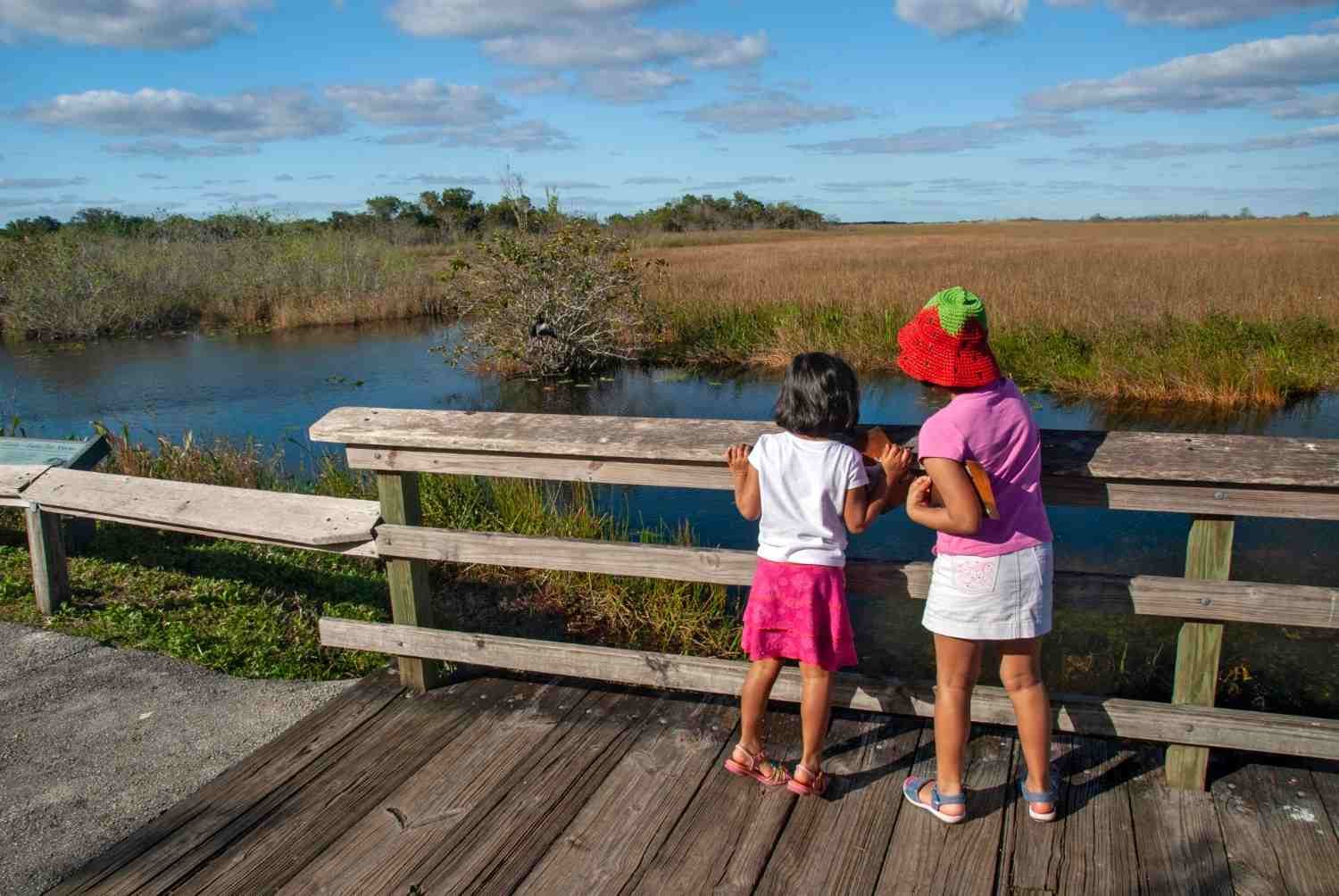
Most people associate Cajun Country with Acadiana, a region covering much of southern Louisiana.
Lafayette is often considered one of the cultural centers of Cajun Louisiana. Nearby communities such as Breaux Bridge, St. Martinville, Eunice, Opelousas, and Abbeville also maintain strong connections to Cajun traditions.
The landscape played an important role in shaping local life.
Bayous, wetlands, rivers, prairies, and coastal areas provided access to seafood, wild game, agriculture, and transportation. These environments influenced everything from local recipes to occupations and settlement patterns.
This is why Louisiana bayou culture is often connected with Cajun heritage, although Cajun communities also developed across inland prairie regions.
How Did Acadian Settlers Become Cajuns?
The transformation from Acadian to Cajun happened gradually.
After arriving in Louisiana, Acadian families had to adapt quickly. The climate was warmer, agriculture was different, and available foods were unlike those found in Canada.
They also lived alongside communities with very different cultural backgrounds.
As generations passed, Acadian traditions blended with Louisiana influences. Cooking methods changed. Music evolved. French developed regional characteristics. Families adapted to fishing, farming, cattle raising, and wetland environments.
The result was not simply Acadian culture transplanted to another place. It became something new.
For me, that ability to preserve traditions while adapting to a changing environment is one of the most important parts of Louisiana Cajun history.
Do People Still Speak Cajun French?
Language remains one of the strongest symbols of Cajun heritage.
For generations, varieties of Louisiana French were widely spoken throughout Cajun communities. Children often learned French at home and used it during everyday conversations.
During the 20th century, English increasingly became dominant in schools and public institutions. Many French-speaking children were encouraged or pressured to use English instead, contributing to a major decline in French usage.
Today, Cajun French and other varieties of Louisiana French remain culturally important.
Musicians, educators, cultural organizations, families, and language programs continue working to preserve French vocabulary, songs, stories, and expressions.
Even visitors who do not speak French may hear it in traditional Cajun music, local radio, festivals, and community events.
What Foods Define Cajun Cuisine?

Food is one of the most visible parts of Cajun culture in Louisiana, but authentic Cajun cooking is more complex than the stereotype that everything must be extremely spicy.
Traditional Cajun cuisine often focuses on practical ingredients, slow cooking, bold seasoning, and meals designed for families or groups.
Gumbo is one of the best-known examples. Depending on the family and region, it may feature chicken, sausage, seafood, or other ingredients combined with a flavorful roux.
Jambalaya typically brings rice, vegetables, seasonings, and meat or seafood together in one pot.
Boudin is another Louisiana favorite, traditionally made with pork, rice, seasoning, and other ingredients.
Crawfish étouffée, rice and gravy, smoked meats, seafood, and crawfish boils also remain strongly associated with Cajun food traditions.
Why Is Food So Important to Cajun Families?
Food often serves a social purpose in Cajun communities.
Family gatherings, festivals, holidays, dances, and community events frequently revolve around shared meals.
A crawfish boil is a perfect example. People gather around tables, eat together, talk, and spend time with friends and relatives.
That communal experience is just as important as the food itself.
What Does Traditional Cajun Music Sound Like?
Cajun music is one of the most distinctive sounds associated with South Louisiana.
Traditional performances commonly feature accordion and fiddle, often supported by guitar and rhythm instruments.
Many Cajun songs were created for dancing and community gatherings. Lyrics may be sung in French or English and often explore familiar subjects such as love, family, heartbreak, humor, and everyday life.
Traditional Cajun music is not limited to museums or historical demonstrations.
Musicians continue recording new songs, performing at festivals, and teaching younger players. This keeps Cajun musical traditions connected to modern Louisiana life.
What Is a Fais Do-Do?

A fais do-do is traditionally associated with Cajun dances and community gatherings.
Historically, these events gave neighbors and families opportunities to meet, socialize, enjoy live music, and dance.
The tradition remains closely connected with Cajun music today. Visitors to Acadiana may encounter dance halls, festivals, and community events where couples dance to energetic accordion and fiddle music.
These gatherings demonstrate how music functions as a social tradition rather than simply entertainment.
Is Cajun Music the Same as Zydeco?
Cajun music and zydeco share Louisiana roots, but they should not be treated as identical.
Cajun music developed mainly within Cajun communities and traditionally emphasizes instruments such as accordion and fiddle.
Zydeco developed primarily within Black Creole communities in Louisiana and incorporates influences from Creole music, blues, rhythm and blues, and other styles.
Because musicians and communities interacted over generations, the two traditions influenced each other significantly.
Understanding both their connections and differences provides a more accurate picture of Louisiana music.
What Is Cajun Mardi Gras?
When Americans hear “Mardi Gras,” many immediately picture massive parades and decorated floats in New Orleans.
Cajun communities maintain a very different rural tradition known as Courir de Mardi Gras.
Participants traditionally travel through the countryside wearing masks and colorful costumes while visiting homes and requesting ingredients for a community meal.
Music, dancing, horseback riding, costumes, humor, and community participation can all be part of the celebration.
Customs vary from town to town, but Cajun Mardi Gras remains one of the clearest examples of how older community traditions continue in modern Louisiana.
What Is the Difference Between Cajun and Creole Culture?
Cajun and Creole are often confused, but they represent different historical identities.
Cajun culture has strong connections to Acadian descendants who settled throughout South Louisiana.
Creole identity has a more complex history and has included Louisiana-born people with African, European, Caribbean, and other cultural backgrounds.
The two cultures have interacted for centuries.
Their cuisines, music, languages, religious traditions, and social customs have influenced one another, making it difficult to draw completely rigid boundaries between them.
Rather than treating Cajun and Creole traditions as interchangeable, I think it is more accurate to recognize their distinct histories while acknowledging their extensive cultural exchange.
How Is Cajun Heritage Being Preserved Today?
Cajun traditions survive because people continue practicing them.
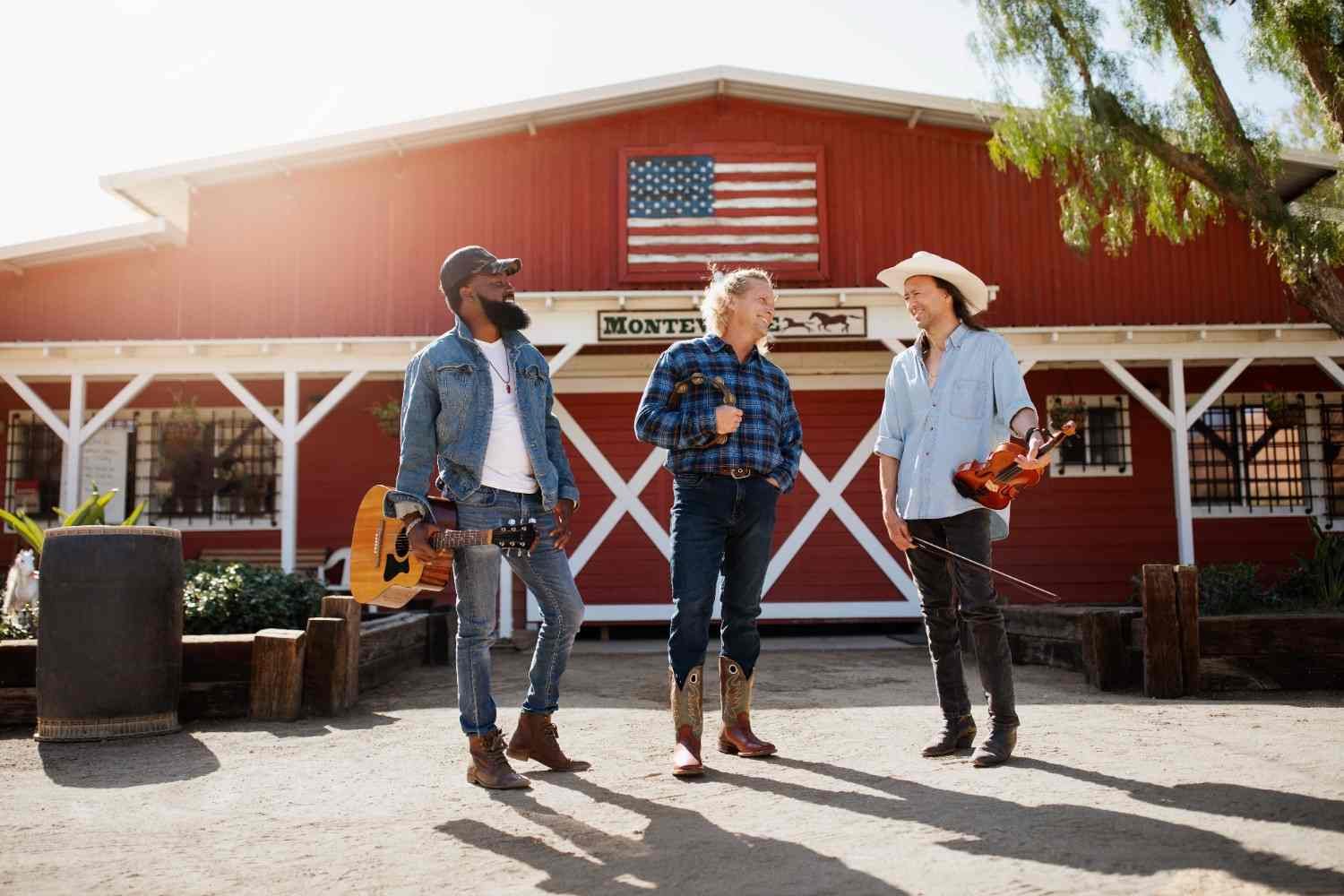
Families pass down recipes. Musicians teach traditional instruments and songs. Festivals celebrate Cajun food, dance, and music. Cultural organizations support Louisiana French language programs.
Museums and historical sites also preserve the stories of Acadian migration and Louisiana settlement.
At the same time, younger generations continue reshaping Cajun traditions through modern music, restaurants, festivals, and cultural projects.
That balance between preservation and change has always been part of Cajun history.
Frequently Asked Questions About Cajun Culture
1. What is Cajun culture best known for?
Cajun culture is known for its Acadian heritage, Louisiana French traditions, accordion and fiddle music, distinctive cuisine, community dances, bayou influences, and celebrations such as Courir de Mardi Gras.
2. Where can visitors experience authentic Cajun culture?
Lafayette and surrounding Acadiana communities such as Breaux Bridge, Eunice, St. Martinville, Opelousas, and Abbeville are excellent places to experience Cajun music, food, festivals, history, and local traditions.
3. Are Cajuns originally from Louisiana?
Many Cajuns descend from Acadians who lived in parts of present-day eastern Canada. After the 18th-century Acadian expulsion, some settled in Louisiana, where their descendants developed a distinctive Cajun identity.
4. Is Cajun food always spicy?
Not necessarily. Traditional Cajun cuisine often emphasizes rich flavor, seasoning, roux, fresh ingredients, and slow cooking rather than simply intense heat. Dishes can vary significantly by family and community.
Why Cajun Culture Still Matters in Louisiana
What interests me most about Cajun culture in Louisiana is its ability to remain recognizable while constantly evolving.
The descendants of displaced Acadians created communities that adapted to Louisiana’s environment while interacting with many other cultures. From that history emerged distinctive food, language, music, celebrations, and family traditions.
Today, Cajun heritage remains especially visible throughout Acadiana. Travelers interested in exploring other overlooked cultural destinations can also discover lesser known UNESCOs sites in USA that reveal important stories beyond the country’s most famous landmarks.
Understanding that history makes it easier to appreciate Cajun culture as more than a tourism theme. It is a living tradition shaped by resilience, community, adaptation, and generations of Louisiana families.