I used to think extreme weather was a temporary crisis for wildlife: a heat wave, a wildfire, a flood, then a return to normal. The more I learned about conservation, the less convincing that picture became. When weather patterns shift, animals can lose water, food, shelter, breeding sites, and safe routes at the same time. Protecting wildlife from extreme weather requires more than reacting after a disaster.
I also noticed that conservation work often looks surprisingly simple. Restoring a wetland, keeping a wildlife corridor open, protecting a shaded refuge, or securing freshwater may not sound dramatic, but these measures give animals room to survive difficult seasons. It is to make ecosystems more resilient, so wildlife has better options when familiar conditions change.
Why Extreme Weather Creates Bigger Wildlife Risks
Heat waves, droughts, floods, wildfires, and severe storms can affect animals through injury, dehydration, overheating, or displacement. A drought can reduce plants and insects, leaving less food for birds and mammals. A wildfire can remove cover and nesting habitat. Flooding can wash away eggs, dens, or vegetation.
The risks can also stack together. Recent research examining nearly 34,000 terrestrial vertebrate species projects growing exposure to heat waves, droughts, wildfires, and river floods, with some regions facing multiple event types.
Restore Habitats Before a Crisis Arrives
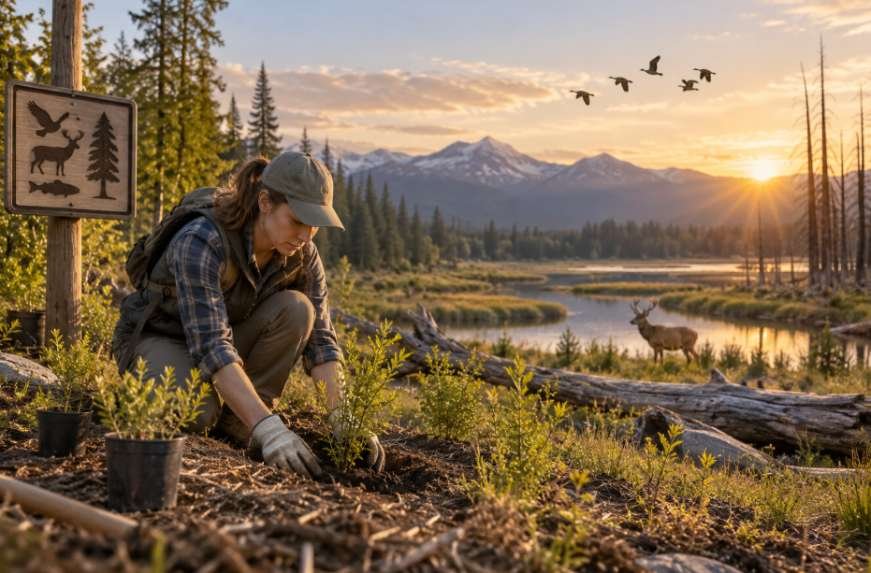
Healthy habitat is one of the strongest forms of natural protection. Wetlands can hold excess water, forests can provide shade, and coastal vegetation can reduce some storm impacts. Restoring these systems also rebuilds food, shelter, nesting areas, and microhabitats.
Conservation managers can make restoration more climate-aware by considering future conditions rather than recreating yesterday’s landscape.
Habitat restoration also needs to consider the people who live alongside these ecosystems, making it important to focus on protecting wildlife without displacing communities.
Water deserves special attention. During drought, dependable freshwater can become a survival point for animals that normally spread across a larger landscape.
Keep Wildlife Moving
Animals cannot always remain in the same place as temperatures and rainfall patterns change. Some species may need to move toward cooler elevations, different seasonal ranges, or areas with more reliable food and water. Fragmented landscapes make those movements harder.
Wildlife corridors connect separated habitats and give animals safer routes between them. Connectivity also helps maintain genetic exchange between populations as environmental conditions change.
For conservation planners, the question is broader than, “Where does this species live?” It is also, “Where might suitable habitat remain in the future, and can the species reach it?”
Prepare for Heat, Fire, and Flood
Different hazards require different preparations. Flood planning can include restoring natural floodplains and identifying breeding areas that need protection. Conservation work can also focus on water, vegetation, shelter, and emergency responses for vulnerable populations.
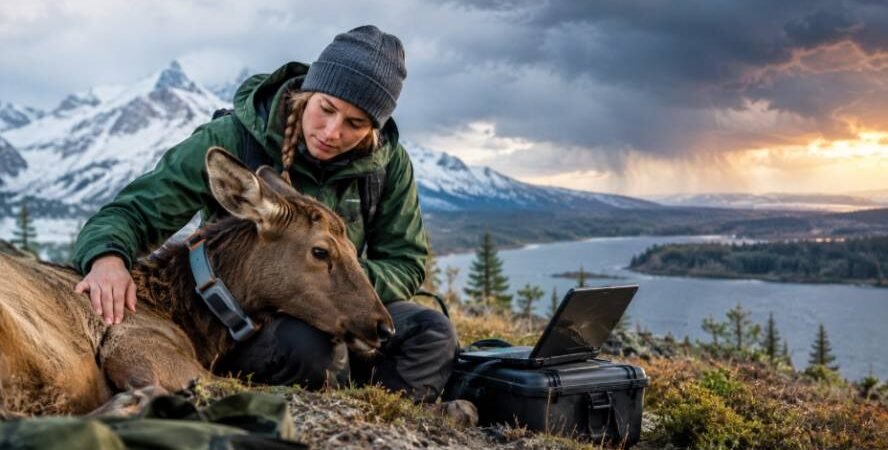
Monitoring makes these decisions more precise. GPS tracking, satellite imagery, field observations, and other wildlife data can reveal changes in movement, habitat use, migration timing, and survival. Conservation teams can identify where animals are struggling and adjust management instead of relying on assumptions.
Reduce Human Pressure During Extreme Events
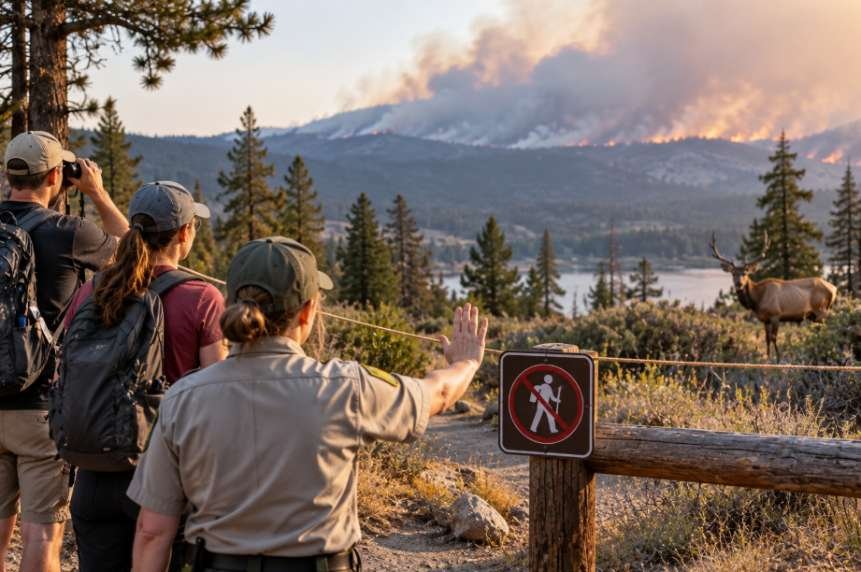
Recreation, traffic, development, noise, and poorly managed tourism can push stressed animals away from places where food, water, or shelter remain available.
That makes responsible human behavior part of climate adaptation. Temporary access restrictions around nesting sites, keeping boats away from sensitive marine animals, maintaining distance from wildlife, and following seasonal closures can reduce pressure when animals are most vulnerable.
Tourism can also support conservation when it is designed around animal welfare and habitat protection. Choosing ethical whale watching experiences can help keep encounters focused on responsible observation rather than chasing, crowding, or disrupting marine animals.
Protect Marine Wildlife Too
Extreme weather is not only a land-based problem. Marine ecosystems face warming water, storms, changing prey availability, coastal flooding, and coral bleaching. Animals that depend on predictable feeding or breeding areas can be affected when ocean conditions shift.
Protecting coastal wetlands, mangroves, seagrass beds, reefs, and other marine habitats can provide ecological buffers.
Responsible tourism has a role here as well. Protecting marine wildlife through tourism can involve setting viewing distances, following operator guidelines, avoiding sensitive habitats, and supporting conservation programs that benefit local ecosystems.
Build Resilience, Not Just Rescue Plans
Emergency wildlife rescues can save individual animals during catastrophic events, but long-term conservation needs to reduce the situations in which rescue becomes the only option. That means combining habitat restoration, connectivity, water security, monitoring, and careful management of human activity.
Climate-smart conservation also requires flexibility. Managers need to identify vulnerable species, understand local risks, test interventions, and learn from results.
The strongest approach is rarely one dramatic solution. It is a network of smaller protections that reinforce one another. A connected landscape with reliable water, healthy vegetation, refuge areas, and lower human disturbance gives wildlife more ways to respond when weather becomes unpredictable.
Frequently Asked Questions
1. Can wildlife corridors help during climate extremes?
Yes. Connected habitat can allow animals to move toward areas with better temperatures, water, food, or shelter. Corridors are especially useful where roads, development, or other barriers restrict movement.
2. How does extreme heat affect wildlife?
Extreme heat can cause dehydration, overheating, reduced feeding, altered behavior, and habitat loss. Species dependent on narrow temperature ranges or limited water sources may face especially high risks.
3. Can tourism help protect wildlife during extreme weather?
It can when tourism minimizes disturbance and supports habitat protection. Responsible operators can follow viewing limits, seasonal restrictions, distance rules, and conservation practices that reduce pressure on vulnerable animals.
4. Why is monitoring important for wildlife adaptation?
Monitoring shows how animals respond to changing conditions. Movement records, field observations, and habitat data can help conservation teams identify emerging risks and adjust strategies before problems become harder to manage.
The Habits Worth Keeping
Protecting wildlife from extreme weather is ultimately about giving animals choices. A restored wetland offers shelter. A connected corridor offers movement. Reliable water helps wildlife survive dry spells, while monitoring helps conservationists recognize problems before they become irreversible. Together, these actions strengthen the ecological systems wildlife depends on.
The most durable conservation work prepares for change without losing sight of the basics: healthy habitat, clean water, space, connectivity, and less unnecessary disturbance. Those fundamentals remain useful whether the next challenge arrives as heat, fire, flood, storm, or several hazards at once.