I used to think a great wildlife trip was mostly about getting into the right vehicle, reaching promising habitat, and hoping an animal appeared. After a few trips, I started paying more attention to everything between headline sightings: bird calls, tracks, changing light, plants, and small movements that reveal an ecosystem.
I realized that memorable encounters often came when I had less control over what I would see. Walking with a naturalist, listening after dark, following a shoreline, or sitting quietly in a hide made the landscape feel larger and more alive. That makes immersive wildlife experiences beyond safaris worth planning for travelers who want to understand a place rather than collect sightings.
What Makes a Wildlife Experience Immersive?
Immersion comes from participation and attention. Instead of scanning for large mammals from a vehicle, travelers can move at walking pace, learn how habitats work, and notice overlooked evidence.
A good naturalist changes the experience. They can explain bird calls, identify feeding marks, distinguish old tracks from fresh ones, or show how weather affects movement. The goal is learning to read a living landscape.
That approach broadens the definition of wildlife. A trip can revolve around frogs, insects, raptors, reptiles, marine life, or plants.
Follow Signs Instead of Sightings
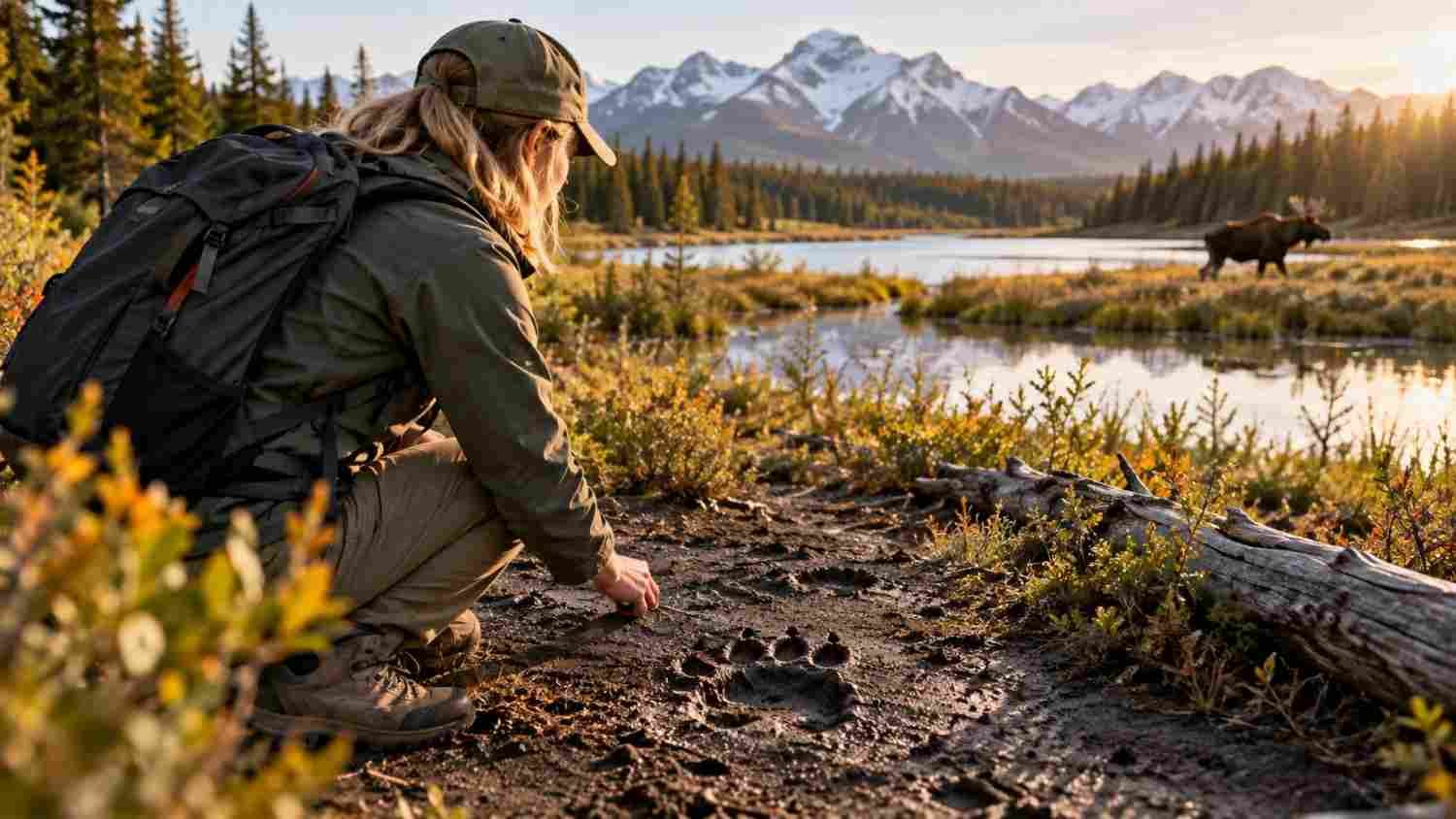
Tracking turns wildlife watching into a field exercise. Tracks, scat, feathers, scratch marks, broken vegetation, feeding remains, and alarm calls can reveal what passed through even when the animal stays hidden.
This is where how naturalists track wild animals becomes relevant. Skilled guides combine clues with terrain, weather, seasonal behavior, and local knowledge. The process is part of the appeal. You stop expecting nature to perform on schedule.
Walking also changes your sense of scale. A familiar forest can feel enormous when you hear movement nearby or discover fresh signs beside a trail. Where walking is permitted and guided, the experience becomes more about interpretation than pursuit.
Wildlife Adventures That Break the Safari Pattern
Antarctic expedition cruising offers whales, seals, and penguin colonies while ships and small boats become platforms for observing a vast polar ecosystem. Ice, weather, and open water shape the experience.
Mountain gorilla trekking in Rwanda and Uganda offers another model. Travelers hike through forest to observe habituated gorilla families for regulated periods. The journey matters because visitors move through their environment.
Botswana’s Makgadikgadi landscape offers another experience. Quad-bike journeys across salt flats and sleeping under the night sky connect wildlife travel with geology and astronomy.
In Costa Rica, rainforest exploration can bring tapirs, sloths, scarlet macaws, and countless smaller species. Corcovado suits travelers who enjoy biodiversity rather than one target animal.
High-altitude trips in Ethiopia add another dimension. Tracking the endemic Ethiopian wolf across Afro-alpine terrain combines hiking with observation of a species adapted to mountain ecosystems.
Look Closer at Smaller Wildlife
Some of the richest experiences happen when travelers stop measuring success by the size of an animal. Guided birding, nocturnal walks, herping, butterfly watching, and tide-pool exploration can reveal an extraordinary amount of life.
Night experiences feel different. A familiar forest becomes almost unrecognizable after sunset, with frogs calling, insects gathering around vegetation, and nocturnal mammals becoming active. Trained guides can help visitors observe without disturbing them.
Recent wildlife coverage also highlights walking trails, local naturalists, bird hides, herping, and community-led experiences beyond conventional safari circuits. These activities shift attention toward biodiversity.
Let the Landscape Become Part of the Trip
Immersive wildlife travel does not have to separate animals from people. Local communities often hold knowledge of seasonal changes, landscapes, plants, weather, and wildlife behavior. Community-guided walks and homestays can add context that a quick park visit rarely provides.
The same applies to conservation. Experiences can support local guides, researchers, habitat restoration, monitoring projects, and small businesses when tourism is structured responsibly. Strong trips make the landscape meaningful.
For travelers researching wildlife tracking holidays around the world, compare the experience, not just the destination. Ask whether guides are trained, groups are controlled, visitor distance is managed, and tourism revenue benefits local areas.
How to Choose a Responsible Experience
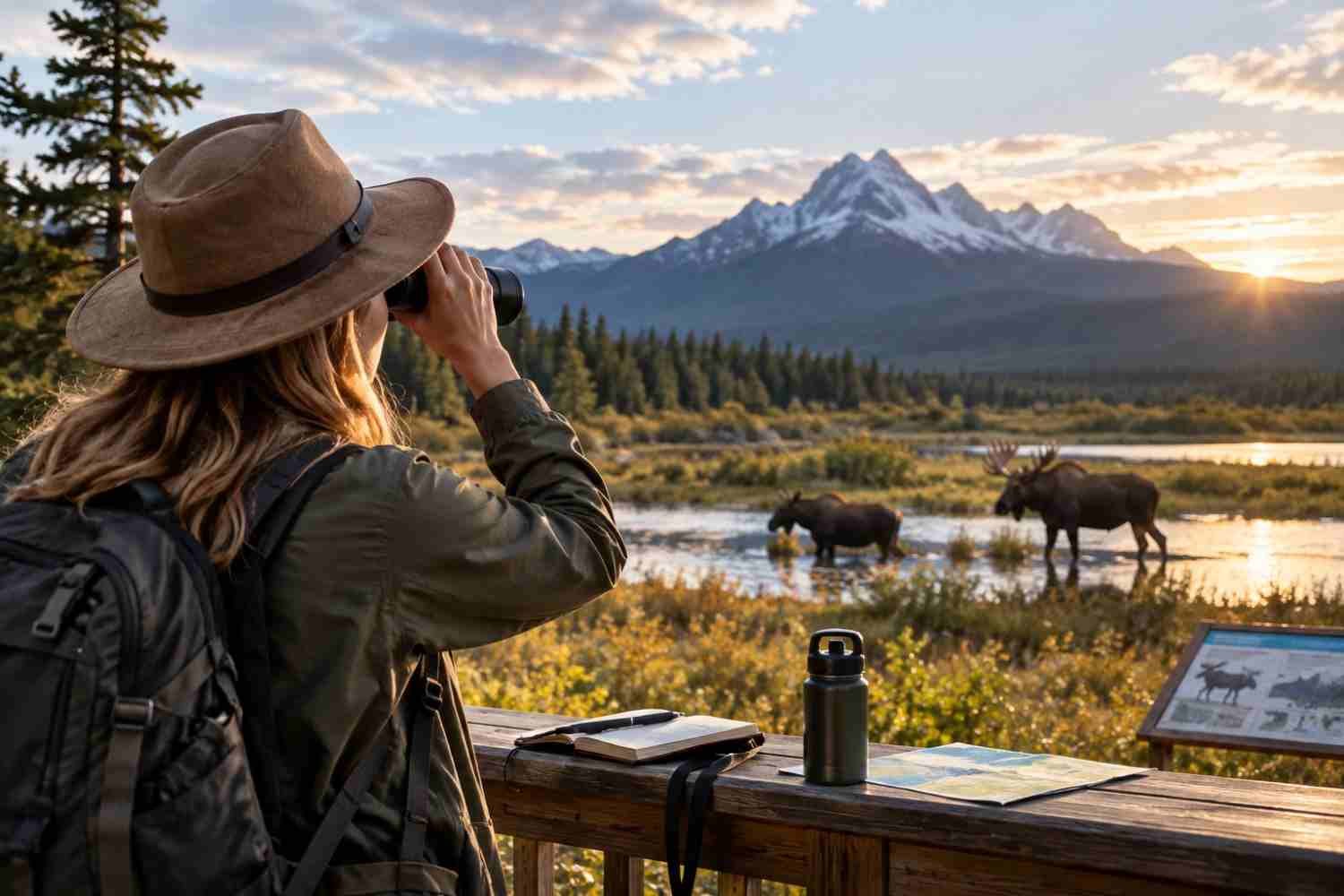
A responsible wildlife experience should allow animals to behave naturally and give them space. Be cautious about activities built around touching, feeding, chasing, baiting, or posing with wildlife. A close photograph is not meaningful.
Look for operators that explain conservation practices clearly, work with qualified guides, and set realistic expectations about sightings. Smaller groups can also make it easier to stay quiet and follow habitat rules.
- Is the activity permitted and appropriate for the habitat?
- Does the operator prioritize observation over interaction?
- Does the trip benefit local communities or conservation work?
- Are animal distances, group sizes, and visitor behavior clearly regulated?
Responsible travel can make an experience more authentic because the wildlife remains wild.
Plan for Discovery, Not a Checklist
The best preparation starts with the ecosystem rather than one animal. Research seasonal conditions, wildlife behavior, walking requirements, guide qualifications, and habitats.
Build flexibility into plans. Wildlife does not follow a schedule, and weather can change plans quickly. A longer stay creates time to revisit trails or spend more time with a naturalist.
Choose experiences that reward curiosity. A trip can succeed even when wildlife stays hidden. Learning its habitat, signs, sounds, and ecological role can leave you with a deeper understanding than one dramatic sighting.
FAQs: Immersive Wildlife Experiences Beyond Safaris Worth Planning For
1. What counts as an immersive wildlife experience?
Walking, tracking, birding, night observation, marine excursions, conservation activities, and naturalist-led exploration can qualify when they emphasize learning and respectful observation in natural settings.
2. Are immersive wildlife trips suitable for beginners?
Yes. Many guided experiences suit first-time wildlife travelers. Physical requirements vary, so check the itinerary and walking demands before booking.
3. How can I avoid disturbing animals?
Keep distance, follow guide instructions, avoid feeding or touching wildlife, stay quiet, and never pressure animals for photographs.
4. Do immersive experiences guarantee sightings?
No. Responsible operators cannot guarantee wild-animal encounters. The focus should remain on habitat and behavior.
Why the Experience Stays With You
A wildlife trip becomes more memorable when the destination behaves like a living system. You notice relationships instead of isolated animals: a call that changes another species’ behavior, tracks revealing a hidden route, or weather reshaping a morning. Those details can outlast a photograph.
The most rewarding encounter may not be rare. Sometimes it is simply learning how to look.