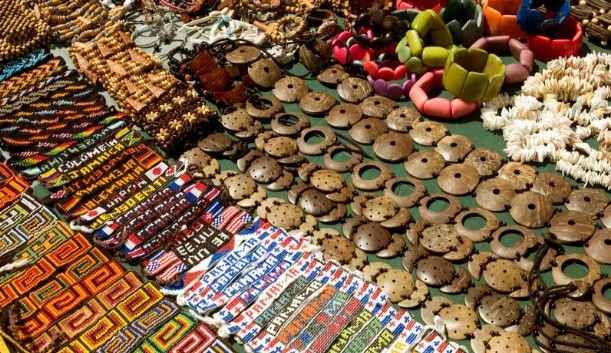
Whenever I travel, I want the object I bring home to represent more than a place name printed on a factory-made product. I want it to remind me of the people, traditions and experiences that made the destination memorable. Choosing sustainable souvenirs that support local artisans allows me to preserve those memories while directing more of my travel spending toward the community I visited.
Responsible souvenir shopping is not simply about finding products labelled “green.” A meaningful purchase should consider who created the item, where its materials came from, how it was produced and whether the craft respects local culture. With a few thoughtful questions, travellers can avoid mass-produced trinkets and discover keepsakes with genuine stories.
What Makes a Souvenir Sustainable?
A sustainable souvenir creates social, cultural or environmental value without causing unnecessary harm. It may be handmade from natural, recycled or responsibly sourced materials. It should be durable enough to use or display for years rather than becoming disposable clutter.
The economic impact matters too. A product manufactured elsewhere but decorated with the destination’s name does little for its creative community. Goods purchased directly from artists, craft cooperatives, workshops and small businesses are more likely to keep money circulating locally.
However, handmade does not automatically mean sustainable. An object may still contain endangered wood, illegally collected shells, harmful dyes or materials taken from protected habitats. Responsible shoppers must consider the entire story behind the product instead of relying on a single marketing claim.
Why Local Artisan Purchases Matter
Traditional crafts often preserve knowledge passed between generations. Weaving, pottery, carving, metalwork, beadwork and natural dyeing can express the history and identity of a community. When travellers value these skills, artisans have a stronger reason and greater ability to teach them to future generations.
Direct purchases can also provide makers with greater control over their income. Cooperatives and verified fair-trade businesses may help artists obtain materials, reach customers and receive more consistent compensation. This is especially valuable in communities where tourism is an important source of employment.
There is a personal benefit as well. Speaking with a creator can reveal how an object was made, what its pattern represents and how it should be used. That conversation turns an ordinary purchase into a memorable part of the journey.
Meaningful Souvenirs to Consider
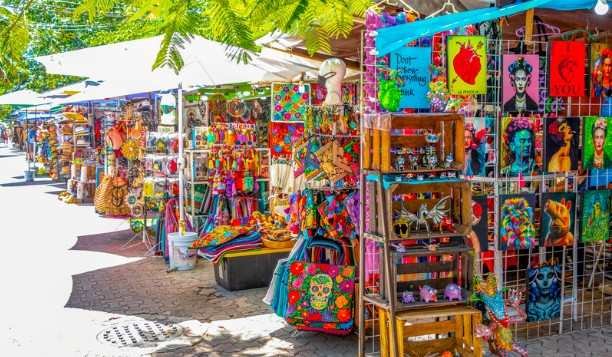
Handwoven Textiles
Scarves, table runners, baskets, and small bags can be practical, lightweight keepsakes that help travelers avoid single use plastic while traveling. Look for information about the fibre, dye, weaving technique, and maker. Slight variations in colour or stitching may indicate genuine handwork, although imperfections alone do not prove authenticity.
Pottery and Ceramics
Locally made cups, bowls, tiles and decorative pieces often reflect regional materials and design traditions. Ask whether the clay was sourced locally and whether the glaze is safe for food use if you plan to use the object in your kitchen.
Recycled and Upcycled Art
Some craftspeople transform discarded glass, paper, fabric or metal into jewellery and home decorations. These products can reduce waste while demonstrating local creativity. Check that the recycled-material claim is specific rather than an unsupported label.
Art, Books and Prints
A small painting, photograph, print or book by a local creator is easy to pack and directly connected to the destination. Confirm that reproductions are authorised by the artist, particularly when the design draws on Indigenous or culturally protected imagery.
Useful Everyday Objects
A souvenir is more sustainable when it continues serving a purpose. Wooden utensils, reusable bags, notebooks, coasters and kitchen textiles can become part of daily life or help decorate a kitchen with meaningful reminders of a journey. Choose quality over quantity and consider whether you will genuinely use the item after returning home.
Locally Produced Food
Tea, coffee, spices, preserves and other packaged foods can support growers and small producers. Review ingredient labels, packaging and import restrictions before buying. Avoid unpackaged plant material when its origin or legality is uncertain.
How to Identify Authentic Local Craftsmanship
Begin by asking who made the item and where it was produced. A knowledgeable seller should usually be able to describe the maker, materials and technique. Vague answers such as “made nearby” deserve further questions.
Examine similar products across several stalls. Rows of completely identical items may indicate factory production, especially when the same objects appear in unrelated destinations. Authentic handmade pieces often show natural variation, although organised workshops can also produce consistent designs.
Labels such as “locally designed” should not be confused with “locally made.” A product may have been designed by a regional company but manufactured abroad. Neither description is automatically unethical, but shoppers deserve transparent information.
Where to Shop Responsibly
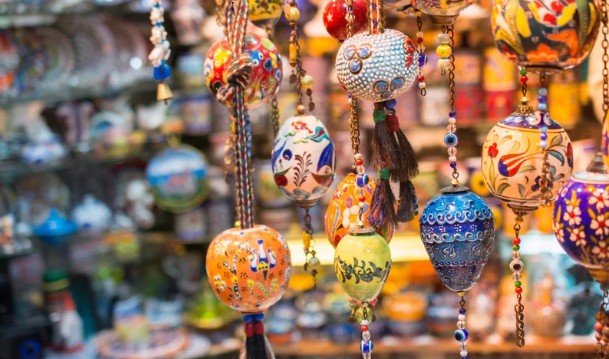
Artisan workshops offer one of the clearest connections between maker and buyer. Visitors may see the production process, learn about the time involved and understand why handmade work costs more.
Community cooperatives, museum shops, cultural centres and recognised fair-trade stores are also useful places to look. Markets can provide excellent options, but travellers should compare sellers and ask questions rather than assuming every stall carries locally produced goods.
A local guide may help identify workshops outside heavily commercialised shopping districts. Whenever possible, research community-owned businesses before arriving instead of depending entirely on shops positioned around major attractions.
Bargaining Without Undervaluing the Maker
Negotiation is customary in some destinations and inappropriate in others. Observe local behaviour or ask a guide before bargaining. When negotiation is expected, remain friendly and avoid pushing for a price that ignores the maker’s time, materials and expertise.
Travellers sometimes negotiate aggressively over a handmade item while accepting fixed prices at larger businesses. That approach can place the greatest pressure on the person with the least financial flexibility. Paying a fair amount is part of responsible shopping.
Souvenirs to Avoid
Avoid objects made from coral, ivory, turtle shell, protected feathers, rare animal skins or unidentified wildlife products. Shells, seeds, plants and untreated wooden items may also be restricted at borders or damaging to collect.
Be cautious with sacred objects, archaeological pieces and ceremonial designs sold without clear permission. Cultural significance should never be treated merely as decoration. When uncertain, ask how an item may be displayed and whether its sale is considered respectful.
Disposable plastic trinkets, excessive packaging and fragile novelty products are also poor choices. A photograph, workshop experience or donation to a local cultural project may offer a better memory than an unwanted object.
Frequently Asked Questions
1. What are sustainable souvenirs that support local artisans?
Sustainable souvenirs that support local artisans are responsibly produced keepsakes that provide meaningful benefits to local makers while respecting cultural traditions, natural resources and fair working practices.
2. How can I tell whether a souvenir is locally made?
Ask who produced it, where it was created and which materials were used. Workshops, cooperatives and stores that identify individual makers usually provide greater transparency.
3. Are all handmade souvenirs environmentally friendly?
No. Handmade goods may still use protected, toxic or irresponsibly harvested materials. Consider sourcing, production, durability and cultural impact before purchasing.
4. Is bargaining with an artisan acceptable?
It depends on local customs. Negotiate respectfully when bargaining is expected, but recognise the time and skill required to create the piece.
A More Meaningful Way to Remember a Journey
I find that the most memorable keepsakes are rarely the cheapest or most heavily advertised. They are the objects connected to a conversation, workshop or story that helped me understand a destination more deeply.
By buying fewer, better-made items and asking thoughtful questions, I can reduce waste while respecting the people behind the craft. The result is a souvenir with lasting value—one that preserves a personal memory while contributing to the community that made the journey special.