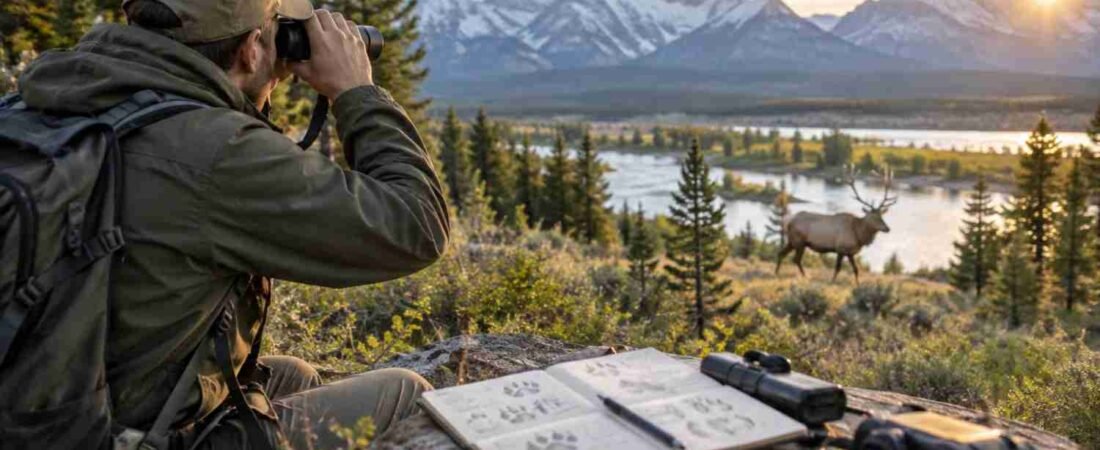
I used to think wildlife tracking meant finding a footprint and following it until an animal appeared. After learning more about fieldwork, I realized the process is much quieter and more analytical. A good naturalist reads the landscape first, notices what has changed, and builds a picture from small clues rather than chasing a sighting.
I also found that modern tracking does not replace old field skills. A camera trap, GPS collar, or radio receiver can produce valuable data, but someone still has to understand what that data means. Terrain, weather, animal behavior, and seasonal movement all shape the clues researchers find in the field.
Tracking Starts With Reading the Landscape
Naturalists begin by asking a simple question: what evidence has an animal left behind? Footprints are an obvious starting point, but they are only one piece of the puzzle. Scat, fur, feathers, feeding marks, scratches, broken vegetation, nests, burrows, and trails can all reveal recent animal activity.
A single sign can be misleading, especially when several species share the same habitat or conditions have altered the evidence. Rain can soften a track, wind can cover it, and several animals may use the same trail. Experienced trackers compare multiple clues and consider the habitat. A footprint beside a stream means something different from a similar print on a dry forest path.
Tracks can also reveal movement. Spacing and arrangement can suggest whether an animal was walking, running, bounding, hopping, or changing direction, while stride length can provide clues about size, speed, and urgency. That information can help distinguish species.
The Field Clues Naturalists Look For
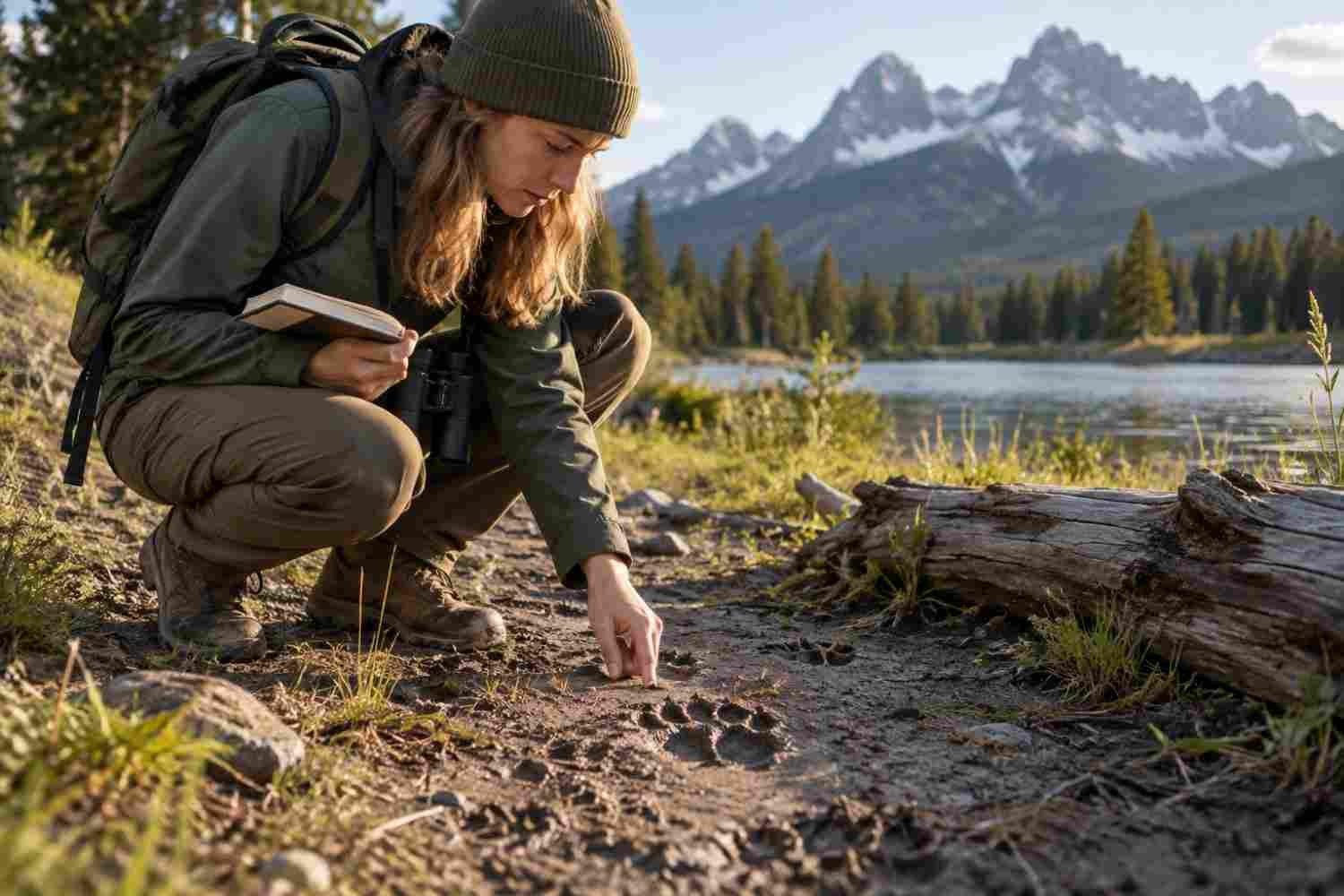
Track stations provide another way to collect evidence. Researchers can place fine soil or sand along routes animals already use. When an animal crosses the surface, its tracks can be recorded.
Naturalists also pay attention to feeding signs. A partly eaten plant, stripped bark, cracked shell, or disturbed soil may point toward a particular species. Repeated signs can reveal feeding areas or travel routes.
Sound is another valuable clue. Birds, frogs, mammals, and insects can sometimes be identified through calls before they are visible. Acoustic monitoring uses recording devices to capture sounds over long periods, helping researchers study species that are difficult to observe.
How Technology Changes Wildlife Tracking
Technology is useful when animals are elusive, nocturnal, highly mobile, or widespread. Camera traps are a common example. Motion-activated cameras can operate for long periods and record wildlife without requiring researchers to stand at the site. They can document species presence, activity, and habitat use.
Radio telemetry works differently. A transmitter attached to an animal sends a signal that researchers can locate with a receiver. It can establish an animal’s position, movements, and home range. GPS devices take the idea further by recording geographic locations at programmed intervals, allowing researchers to examine routes and movement patterns over time.
For travelers interested in wildlife tracking holidays around the world, these technologies also explain why a successful wildlife experience is not always about seeing an animal immediately. Tracking may involve interpreting photographs, examining signs, or understanding movement data before a sighting happens.
When Scientists Track Without Seeing the Animal
Useful wildlife research can happen without seeing the animal. Scat, hair, feathers, and other biological material can provide evidence. DNA from scat, for example, can help identify species or individuals and provide information about populations.
Photo identification offers another noninvasive approach. Animals with distinctive stripes, spots, scars, fins, or other markings may be recognized individually from photographs. Repeated images can build records of animals and show where they move.
In aquatic environments, acoustic telemetry can track tagged animals as they pass underwater receivers. Automated radio tracking networks can also detect small transmitters carried by birds, bats, and insects. Systems such as Motus connect receiving stations across large areas, revealing movements that are difficult to follow manually.
Turning Movement Data Into Conservation Knowledge
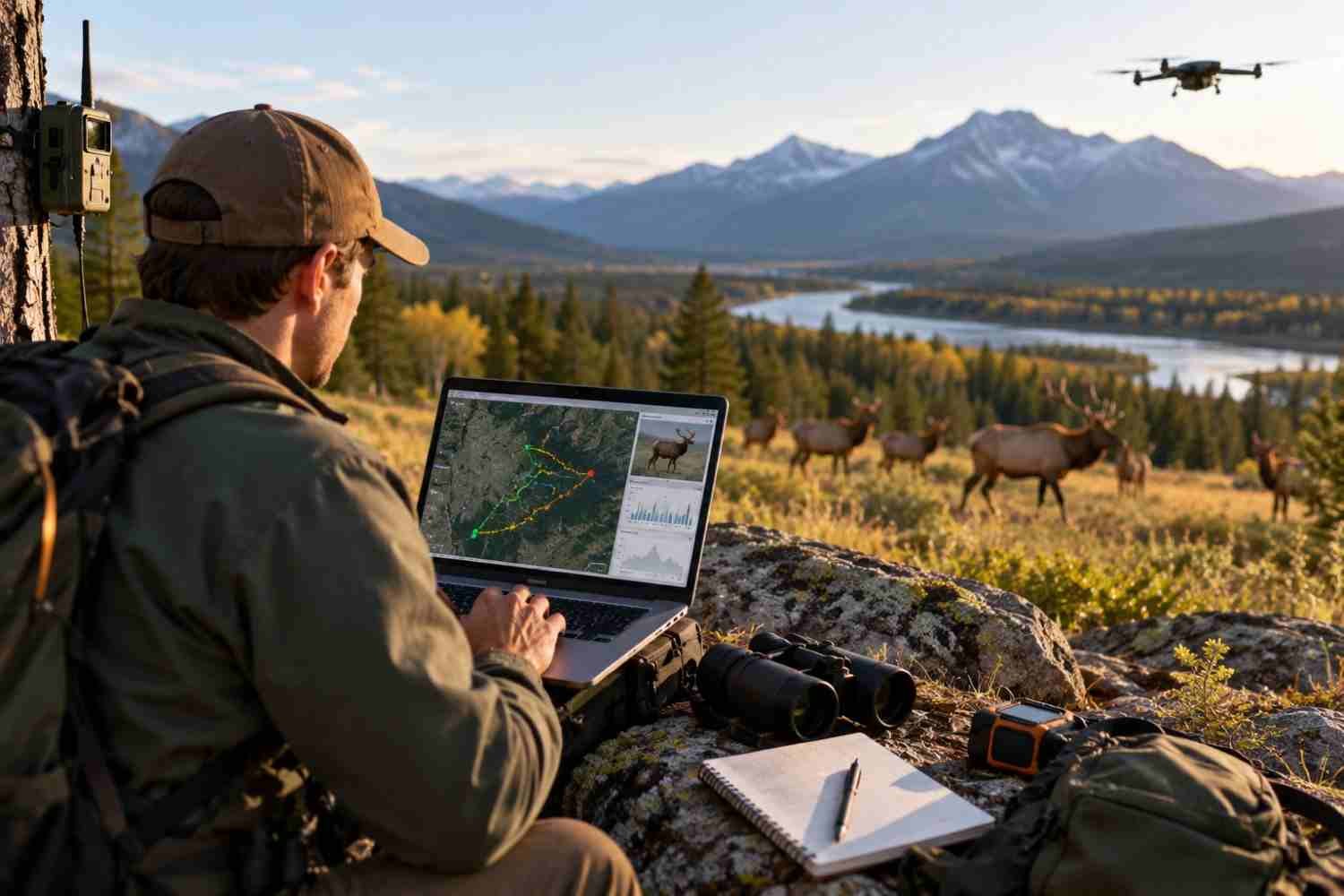
Tracking is most valuable when observations answer a conservation question. Researchers can use movement records to study migration, home ranges, habitat preferences, seasonal changes, and connections between habitats. Those findings can identify wildlife corridors, assess habitat use, and show responses to environmental changes.
The method depends on the research question. A camera trap may work well for documenting presence and activity, while GPS data may be more useful for detailed movement analysis. Radio telemetry can be appropriate when researchers need to locate individual animals in challenging terrain. No tracking method works equally well for every species or landscape.
Tracking is not simply about collecting more data. Good field research balances useful information with animal welfare, practical limitations, cost, terrain, and disturbance. That balance often determines which method researchers choose for each project.
Why Responsible Tracking Means Keeping Your Distance
Ethical tracking starts by minimizing disturbance. Researchers and observers should avoid pushing animals away from food, shelter, breeding sites, or travel routes for a closer look. Noninvasive methods allow information collection without repeated physical contact.
The same principle applies to wildlife tourism. Visitors can enjoy signs, sounds, distant sightings, and guided interpretation without treating encounters as guaranteed photo opportunities. For travelers seeking sustainable wildlife travel experiences for 2026, responsible tracking means respecting space, following local guidance, and accepting that wildlife controls the encounter.
The best field observations often come from patience. A naturalist may spend hours reading a trail, waiting near a camera, or interpreting vegetation. The goal is to understand how an animal uses its world.
FAQs: How Naturalists Track Wild Animals in Their Natural Habitats
1. What is the most common sign naturalists use to track animals?
Tracks are common, but naturalists also examine scat, feeding marks, fur, trails, sounds, and disturbed vegetation.
2. Do naturalists always use GPS collars?
No. GPS is one option. Researchers may use camera traps, radio telemetry, acoustic monitoring, DNA sampling, or visual observations depending on the species and research goal.
3. Can tracking animals disturb them?
It can if people approach too closely or interfere with normal behavior. Noninvasive methods can reduce disturbance when used appropriately.
4. Why do naturalists track animals?
Tracking can reveal movement, habitat use, migration, population patterns, and other information that supports wildlife research and conservation.
What Careful Tracking Reveals
Wildlife tracking rewards a different kind of attention. Instead of waiting for nature to perform on demand, naturalists learn to notice evidence that might otherwise disappear into the background. A faint track, a feeding mark, a recorded call, or a sequence of GPS points can become meaningful when viewed in context. The technology may be sophisticated, but the underlying skill remains observation.
That is what makes tracking valuable: it turns fleeting signs into a deeper understanding of wild lives.