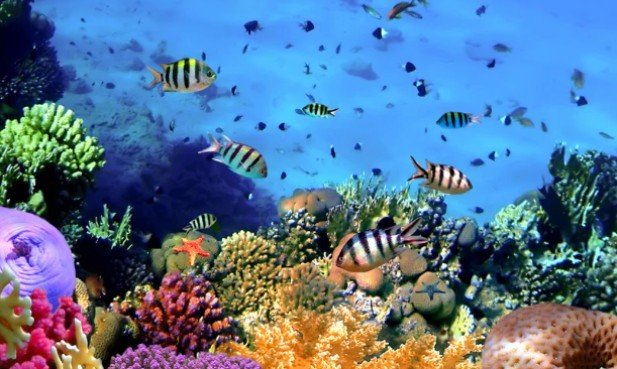
When I prepare for a beach holiday, protecting my skin is naturally one of my priorities. However, I also want to understand what happens to sunscreen after it washes away. The relationship between reef safe sunscreen and marine conservation is more complicated than a simple logo on a bottle suggests. Certain ultraviolet filters may place additional pressure on corals and other aquatic organisms, but sunscreen pollution is only one of several threats affecting reefs.
Choosing more responsible sun protection can still make a meaningful difference, particularly around busy beaches, snorkeling areas and shallow coral habitats. The key is to understand sunscreen labels, reduce unnecessary product use and combine sunscreen with physical protection.
What Does Reef-Safe Sunscreen Mean?
“Reef-safe” and “reef-friendly” generally describe sunscreens formulated without ingredients associated with damage to coral or other marine life. However, these expressions do not have one universally regulated definition. Manufacturers may use them according to their own standards.
This means the claim on the front of a package should not be treated as proof. The active-ingredient list provides more useful information. Products described as biodegradable, natural or organic are not automatically harmless to marine ecosystems either.
A more accurate description may be “reef-safer,” because no sunscreen formulation can be guaranteed to have zero environmental effect under every condition.
How Sunscreen Reaches Marine Environments
Sunscreen can wash from the skin while people swim, surf, dive or snorkel. It may also enter waterways indirectly when people shower after wearing it. Depending on local wastewater systems, some UV filters can eventually reach rivers, coastal water and the ocean.
Aerosol sprays create another exposure route. Product that misses the skin may settle on sand, rocks or nearby surfaces before being carried into the water. Using a lotion or stick can reduce overspray and provide better control over the amount applied.
Pollution can become more concentrated around popular beaches and enclosed swimming areas. Shallow reefs near heavily visited destinations may therefore face greater local exposure than remote marine habitats.
How Sunscreen Ingredients May Affect Marine Life
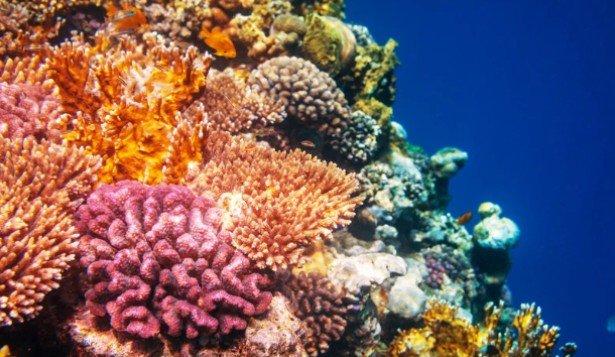
Research has connected certain ultraviolet filters with biological changes in aquatic organisms. Laboratory studies suggest that some chemicals can accumulate in coral tissue, contribute to cellular stress, interfere with coral development or affect reproduction.
The potential effects are not limited to corals. Researchers have investigated changes involving algae, mussels, sea urchins, fish and other marine animals. Reported concerns include impaired growth, disrupted reproduction, developmental abnormalities and the accumulation of chemicals in tissue.
Laboratory findings do not always represent conditions in the open ocean. Some experiments have used concentrations higher than those measured in natural environments. Scientists are still studying how exposure level, water movement, temperature and other environmental factors influence real-world risk.
Ingredients That Deserve Closer Attention
Oxybenzone and octinoxate are the two ingredients most frequently associated with coral concerns. Other filters investigated for possible environmental effects include octocrylene, benzophenone-1, benzophenone-8, OD-PABA and 4-methylbenzylidene camphor.
Shoppers should examine active ingredients rather than relying entirely on marketing claims. Formulations also change, so a product that once met a particular standard may not always retain the same ingredient list.
Mineral sunscreens commonly use zinc oxide or titanium dioxide. These filters are generally regarded as preferable options for marine environments, especially when their particles are non-nano. Nevertheless, particle coatings, additional ingredients and the finished formulation can influence environmental behavior. Mineral does not automatically mean impact-free.
Why Sunscreen Is Not the Main Reef Threat
Sunscreen pollution should be placed in the proper conservation context. Rising ocean temperatures and marine heatwaves are the principal drivers of mass coral bleaching. Ocean acidification, destructive fishing, sediment, sewage, plastic pollution and coastal development also weaken reef ecosystems.
Sunscreen may act as an additional local stressor, particularly where large numbers of visitors enter the same water every day. Changing sunscreen is a useful personal action, but it cannot replace climate action, effective wastewater management or protection of marine habitats.
Presenting sunscreen as the single cause of reef decline may distract from these larger problems. A responsible conservation message should explain both individual choices and the systemic changes reefs need.
How to Choose More Responsible Sunscreen

Responsible travel involves more than understanding community based tourism and how it works; it also requires thoughtful choices about personal products. Start by looking for broad-spectrum protection appropriate for your skin and planned activity. Check the active ingredients and consider a non-nano mineral formula when it suits your needs. A lotion or stick usually creates less environmental waste than an aerosol spray.
Water resistance is helpful during swimming, but it does not mean waterproof. Follow the product directions and reapply after swimming, heavy sweating or towel drying. Using too little sunscreen can leave skin inadequately protected.
Packaging matters as well. Recyclable containers, minimal packaging and larger practical sizes may reduce waste. However, packaging should not distract from the active ingredients, effectiveness and proper application.
Use Clothing as the First Line of Protection
One of the most effective ways to reduce sunscreen entering water is to cover more skin. Rash guards, long-sleeved swimwear, UPF clothing, wide-brimmed hats and sunglasses can reduce the area requiring sunscreen.
Shade is also valuable, particularly when sunlight is intense. Planning swimming or beach activities outside the strongest midday sun can lower exposure, although protection may still be necessary.
Sunscreen should remain part of a broader sun-safety strategy. Protecting marine ecosystems should never require risking sunburn or abandoning effective ultraviolet protection.
Marine Conservation Beyond the Bottle
Responsible behavior continues after choosing sunscreen. Swimmers and divers should avoid touching, kicking or standing on coral. Maintaining buoyancy while snorkeling or diving prevents accidental contact with fragile reef structures.
Visitors can also use established access points, avoid leaving litter, choose responsible tour operators and follow and know the importance of marine-protected-area rules. Reducing disposable plastic and supporting credible restoration or conservation programs can extend the impact beyond a single beach visit.
The most meaningful approach combines informed consumer choices with habits that protect the entire marine environment.
Frequently Asked Questions
1. Why are reef-safe claims sometimes misleading?
The terms are not governed by one global definition. A brand may use the claim without completing standardized environmental testing, making ingredient checks essential.
2. How are reef safe sunscreen and marine conservation connected?
Choosing lower-impact sunscreen can reduce one source of pollution around heavily visited reefs. It works best alongside protective clothing, responsible tourism, climate action and broader habitat conservation.
3. Is mineral sunscreen completely harmless to reefs?
Not necessarily. Mineral filters are generally preferred, but particle size, coatings, concentration and other ingredients can affect their environmental impact.
4. Should I stop using sunscreen before swimming?
No. Sun protection remains important. Cover exposed skin with UPF clothing where practical and use an appropriate broad-spectrum sunscreen on areas that remain uncovered.
A More Thoughtful Way Forward
I see responsible sun protection as a matter of balance rather than perfection. Checking ingredients, avoiding misleading claims and wearing protective clothing can reduce my impact without compromising skin safety.
Sunscreen alone will not determine the future of coral reefs. Nevertheless, thoughtful choices can reduce avoidable pollution at vulnerable marine destinations. When those choices are combined with responsible travel, climate awareness and support for habitat protection, they become part of a much stronger conservation effort.