Whenever I visit somewhere new, I remind myself that the destination is not simply a collection of hotels, attractions, and photo opportunities. It is someone’s home. Every booking, meal, purchase, and activity can affect the people who live there. By learning the most meaningful ways travelers can support local communities, I can enjoy a richer experience while helping residents benefit from tourism.
Supporting a destination does not necessarily require a large donation or a volunteer placement. Thoughtful everyday decisions can keep tourism income within the community, protect cultural heritage, and reduce pressure on natural resources.
Choose Locally Owned Accommodations
Independent hotels, family-run guesthouses, and community-owned lodges can keep a larger share of visitor spending within the destination. Local accommodations also employ residents, purchase nearby products, and recommend businesses that may not appear on major travel websites.
Before booking, check the property’s About page and ownership information. A hotel may use local imagery without being locally owned. Look for evidence that residents hold management positions, employees receive fair wages, and food or supplies come from nearby producers.
Booking directly may also help. Peer-to-peer platforms can charge significant commissions, while direct reservations allow more of the payment to reach the accommodation.
Eat at Independent Restaurants
Food is one of the easiest ways to direct money toward residents. Choose independent restaurants, street-food stalls, cafés, bakeries, and neighborhood markets instead of relying entirely on international chains.
Locally operated restaurants frequently purchase ingredients from regional farmers, fishers, and food producers. One meal can therefore benefit several businesses rather than only the establishment serving it.
Ask residents where they eat, explore streets beyond the main visitor district, and be willing to try regional dishes. Leaving a fair tip where tipping is customary also supports service workers directly.
Hire Local Guides and Tour Operator
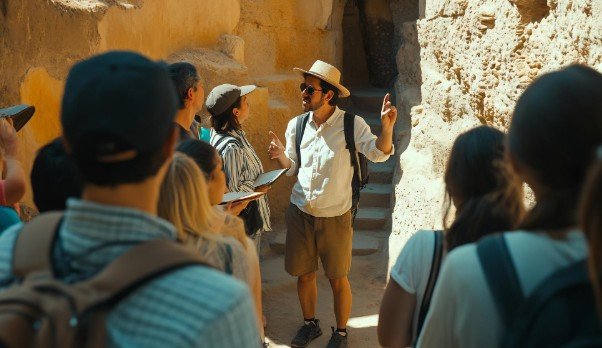
A knowledgeable resident can explain a destination’s history, customs, landscape, and challenges in ways that a generic tour cannot. Hiring local guides creates employment while giving communities greater control over how their stories are presented.
Research who owns the tour company and who leads its experiences. Look for small-group tours that employ residents, cooperate with community organizations, and clearly explain how tour fees are distributed.
Community-led walking tours, food experiences, craft workshops, and nature excursions can provide valuable income without turning culture into a performance designed solely for visitors.
Purchase Directly From Artisans
Handmade textiles, pottery, artwork, jewelry, and food products can make meaningful souvenirs. However, goods sold as “local” are sometimes imported or mass-produced.
Buy directly from makers whenever possible. Ask who created the item, where the materials came from, and whether the artisan determines the price. Cooperatives and community markets can make it easier to find authentic products and ensure that creators receive a fair return.
Respectful bargaining is important. Negotiation may be customary in some places, but forcing a maker to accept an unfairly low price undermines the purpose of supporting local livelihoods.
Understand and Reduce Tourism Leakage
Tourism leakage happens when money spent in a destination leaves its economy. This can occur when visitors use foreign-owned resorts, overseas booking companies, international restaurant chains, or tour operators that import most of their supplies.
Travelers can reduce leakage by booking directly, choosing independent businesses, eating locally produced food, and hiring resident guides. It may be impossible to keep every dollar within a community, but directing more spending toward local ownership can produce a stronger economic benefit.
Respect Local Culture and Everyday Life
A community should never feel like a backdrop created for photographs. Learn basic customs before arriving, dress appropriately at religious or culturally significant places, and ask permission before photographing people.
Learning a few words in the local language communicates respect, even when the pronunciation is imperfect. Travelers researching ethical wildlife encounters for travelers should apply the same thoughtful approach to local culture by observing community rules, respecting private property, and avoiding disruptions to ceremonies or daily routines.
Cultural experiences are most valuable when residents choose what they want to share. Prioritize activities designed and managed by the people whose traditions are being presented.
Avoid Exploitative Wildlife Attractions
Wildlife tourism may generate local employment, but poorly managed attractions can harm animals and damage natural habitats. Avoid activities involving forced performances, wildlife rides, direct handling, or staged photographs with wild animals.
Choose experiences that observe animals from a safe distance and employ trained local guides. Ethical operators should explain their conservation practices, limit visitor numbers, and avoid guaranteeing encounters that depend on disturbing or feeding wildlife.
Supporting locally led conservation can protect ecosystems while creating long-term jobs for guides, researchers, rangers, and other residents.
Volunteer Only When Your Skills Are Useful
Short-term volunteering can create problems when it replaces paid local work or gives unqualified visitors responsibilities requiring professional training. Programs involving children deserve particular caution because repeated contact with temporary visitors can create safeguarding concerns.
Before enrolling, investigate who requested the project, how residents participate in its management, and whether volunteers need relevant skills. A responsible organization should publish clear goals, explain how fees are used, and place community needs ahead of the volunteer’s experience.
Sometimes the more helpful choice is to donate to a locally directed organization or pay residents to perform work for which they are qualified.
Travel Beyond Crowded Areas Carefully
Visiting lesser-known places can distribute tourism income, but it must be done thoughtfully. A small community may lack the infrastructure to manage sudden crowds, waste, noise, or pressure on housing.
Travel during quieter seasons when appropriate, stay longer rather than rushing through, and follow local advice. Use established accommodations and experiences instead of entering private or environmentally sensitive areas for social-media content.
Support Community Priorities
Visitors may arrive with good intentions but misunderstand what residents actually need. Look for community-run organizations, cooperatives, conservation groups, and social enterprises that clearly describe their priorities.
Ask practical questions before spending or donating. Who owns the organization? Are residents involved in decisions? Does it provide stable employment? How does it measure its impact? Transparent answers help distinguish meaningful initiatives from marketing claims.
Frequently Asked Questions
1. What are the most effective ways travelers can support local communities?
Choose locally owned accommodations, independent restaurants, resident guides, community-managed experiences, and products made by nearby artisans. These decisions help more tourism income remain in the destination.
2. How can I tell whether a business is genuinely local?
Review its website, ask who owns it, and look for details about local leadership, employment, suppliers, and partnerships. Local branding alone does not prove local ownership.
3. Is community-based tourism better than conventional tourism?
It can be when residents control decisions and receive a fair share of the benefits. Travelers should still examine how the experience operates rather than relying solely on labels.
4. Is volunteering always helpful?
No. Poorly planned volunteering can displace workers, create dependency, or expose vulnerable people to unnecessary risks. Choose locally requested, skill-appropriate projects with transparent management.
5. Can budget travelers still make a positive difference?
Yes. Eating at independent establishments, using local transportation, shopping at markets, respecting customs, and recommending small businesses require little additional spending.
A More Meaningful Way Forward
I believe responsible travel begins with recognizing that my choices have consequences. I cannot solve every challenge facing a destination, but I can decide where my money goes, how I treat residents, and which experiences I support. When travelers listen to communities and make informed choices, tourism can protect culture, strengthen livelihoods, and create journeys that feel more genuine for everyone.