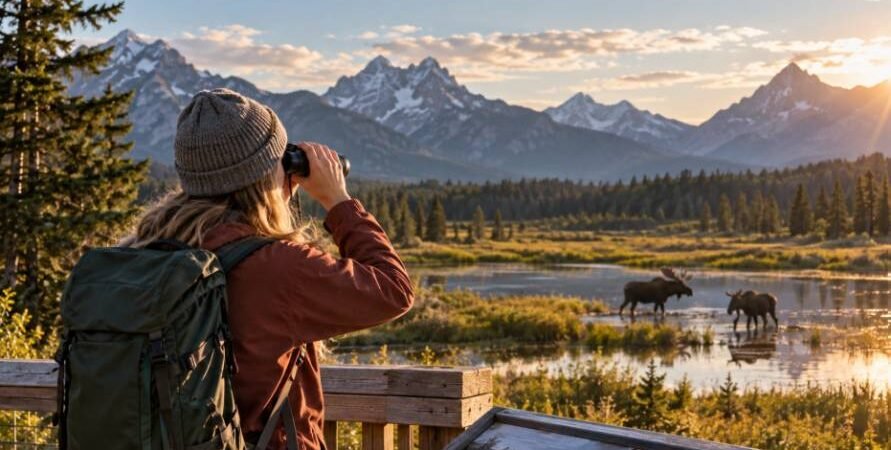
I have noticed a shift in the way wildlife trips are discussed. The most memorable experiences are no longer only about checking a rare animal off a list. I find myself more interested in places where the visit has a visible purpose, whether that means protecting habitat, hiring local guides, or helping communities see wildlife as a reason to conserve land.
I also realized that sustainable travel can still feel adventurous. A rainforest trek in Costa Rica, a quiet wildlife drive in Wyoming, or a carefully managed Arctic expedition can offer excitement without treating nature like a backdrop. For 2026, that balance makes wildlife travel feel more thoughtful and rewarding.
What Makes a Wildlife Experience Truly Sustainable?
Sustainable wildlife travel starts with what happens beyond the animal sighting. A responsible experience should respect habitat, limit disturbance, follow local regulations, and create tangible benefits for conservation or nearby communities.
That changes how a traveler evaluates a tour. An operator calling itself eco-friendly is less meaningful than one that explains where visitor fees go, employs local guides, limits group sizes, follows wildlife-distance rules, and has clear animal welfare practices. Strong experiences connect tourism revenue with long-term protection of the place people came to see.
Longer stays can also make sense. Instead of hopping between destinations for rushed sightings, travelers can choose one region and spend more time there. That reduces transfers and allows deeper time in one ecosystem. It leaves room for unexpected encounters, often the most memorable parts of wildlife travel.
Wildlife Experiences Worth Considering in 2026
Corcovado National Park on Costa Rica’s Osa Peninsula is a strong example of wildlife travel built around a protected landscape. The rainforest supports tapirs, peccaries, monkeys, and scarlet macaws. Reservations and local guides in relevant sectors create a structured experience that helps protect the environment and supports nearby communities.
The Galápagos Islands offer another model. Their appeal comes from unusual species and marine ecosystems, but strict visitor management protects the islands. Choosing a licensed, low-impact operator matters more than chasing the largest itinerary.
In Peru, Tambopata National Reserve provides a different kind of wildlife experience. Amazon excursions combine forest walks, river habitats, birdwatching, and stays connected with local tourism businesses. The focus is on experiencing an ecosystem rather than guaranteeing sightings.
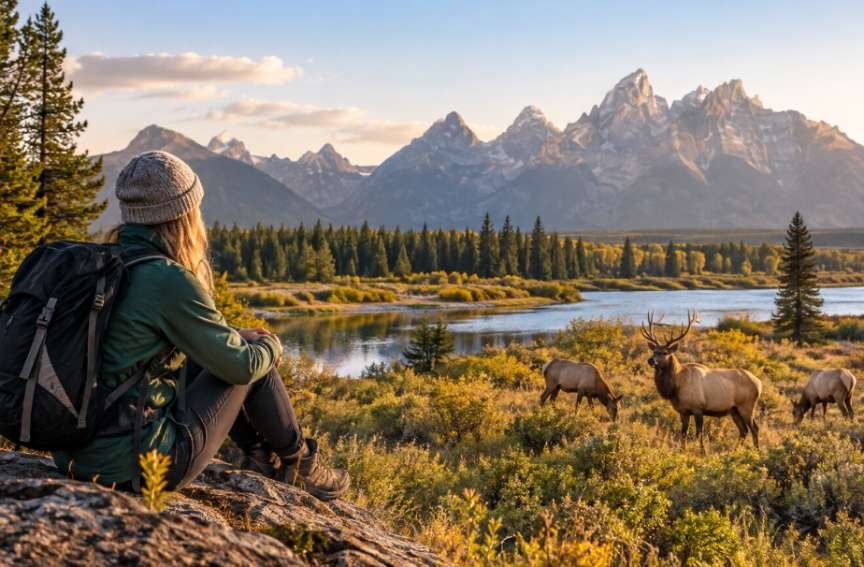
For travelers who want an experience closer to home, Yellowstone and Grand Teton provide lessons in responsible wildlife viewing. Visitors can encounter bison, elk, moose, bears, and wolves while following significant wildlife-distance rules. Yellowstone’s 2026 visitor guidance continues to emphasize safe distances and responsible driving around wildlife.
Let Local Communities Share the Benefits
Wildlife tourism works better as conservation when local people have a meaningful reason to protect the landscape. That can happen through guiding jobs, locally owned lodging, transportation, food businesses, conservation employment, or community-run tourism services.
This is where wildlife tourism supporting local communities becomes more than a nice phrase. Travelers can look for operators that hire locally, buy locally, explain community partnerships, or contribute clearly to conservation projects. Spending money with small businesses near protected areas can also keep more tourism revenue in the destination.
Community involvement should not be decorative. Residents living alongside protected habitats can shape whether conservation remains viable.
Watch Wildlife Without Changing Its Behavior
A close photograph can feel like the goal, but getting closer is not necessarily a better wildlife experience. Animals need space to feed, rest, hunt, nest, migrate, and care for young without pressure from visitors.
Good wildlife viewing means using binoculars, spotting scopes, or long lenses instead of moving toward an animal. Never feed wildlife, call animals closer, block their path, or surround them for a photograph. If an animal changes its behavior because of your presence, create more distance.
The same principle applies to photography. Responsible ways to photograph wildlife while traveling include staying on designated routes, avoiding flash when it could disturb animals, and resisting the urge to pursue a rare sighting. A missed photograph is a small price for leaving an animal undisturbed.
Choose Operators With Evidence Behind Their Claims
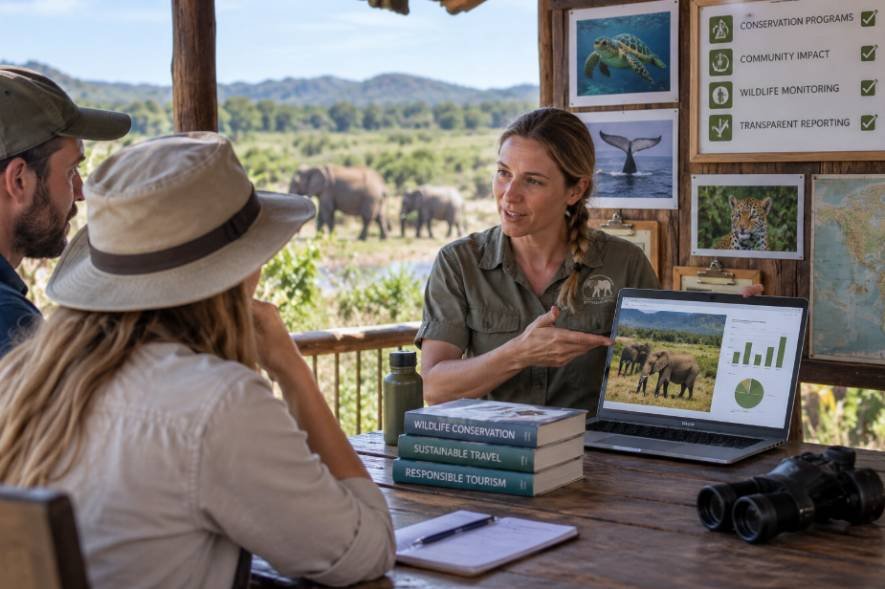
Before booking, look beyond words such as green, ethical, or eco-friendly. Read the operator’s conservation policy and find out whether local staff are involved. Ask what happens when wildlife does not appear, because responsible operators should never need to chase or manipulate animals to deliver a promised sighting.
Check whether the company follows protected-area rules, uses appropriate group sizes, and communicates behavior standards before guests arrive.
Accommodation deserves scrutiny too. Look for water conservation, waste reduction, locally sourced food, and genuine community employment.
Why Slower Wildlife Travel Makes Sense
Some sustainable wildlife trips may be the ones that feel less rushed. Staying longer in one region gives travelers more time to learn local ecology, use local services, and adapt plans around weather or animal behavior instead of demanding that nature perform on schedule.
A patient morning watching birds, tracking footprints with a naturalist, or learning about a wetland can create a stronger connection than constant movement.
In 2026, rewilding, conservation travel, and community-led tourism are giving travelers more ways to participate without pretending to be wildlife experts. The mindset is simple: stay curious, spend thoughtfully, follow the rules, and leave little disruption.
The Kind of Wildlife Trip Worth Remembering
The strongest wildlife journey may not be the one with the longest species list or closest photograph. It is the one where the destination remains healthy after visitors leave, local people have a genuine stake in protecting it, and travelers return with a deeper understanding of what makes the place special.
That changes the meaning of adventure. Seeing wildlife becomes part of a larger relationship with habitat, conservation, and community, which is where sustainable travel can have its greatest value.
Frequently Asked Questions
1. What is sustainable wildlife travel?
It is wildlife-focused travel that minimizes disturbance while supporting habitat conservation, animal welfare, and local communities through responsible tourism spending.
2. Are wildlife safaris sustainable?
They can be when operators follow wildlife protection rules, limit disturbance, employ local people, and direct tourism revenue toward conservation or community benefits.
3. How can I photograph wildlife responsibly?
Keep a safe distance, use a long lens, avoid baiting or chasing animals, follow park rules, and stop when your presence changes an animal’s behavior.
4. What should I check before booking a wildlife tour?
Look for transparent conservation policies, local involvement, responsible animal-welfare practices, appropriate group sizes, and clear information about where your money goes.