
I used to think a wildlife encounter was successful if I came home with a clear photograph. Over time, I started noticing that the best experiences felt different. The animals were not performing, the guides were not pushing them closer, and nobody seemed disappointed when a sighting took patience.
I also realized that responsible wildlife tourism experiences ask travelers to give up some control. You cannot schedule a wild animal’s behavior, and you should not try to manufacture a better view. The reward is seeing an animal live on its own terms, even when that means waiting or leaving without the perfect photograph.
What Responsible Wildlife Tourism Really Means
Responsible wildlife tourism centers on observation without unnecessary disturbance. The goal is to see animals in natural habitats and leave the setting as found. But tourism can create pressure when visitors crowd animals, make noise, feed them, or encourage handlers to produce close encounters.
A responsible experience puts the animal’s needs before the visitor’s desire for access. Guides should explain distance rules and regulations. Wildlife watching becomes more ethical when animals remain free to move, rest, feed, hide, or leave.
Look for Observation, Not Interaction
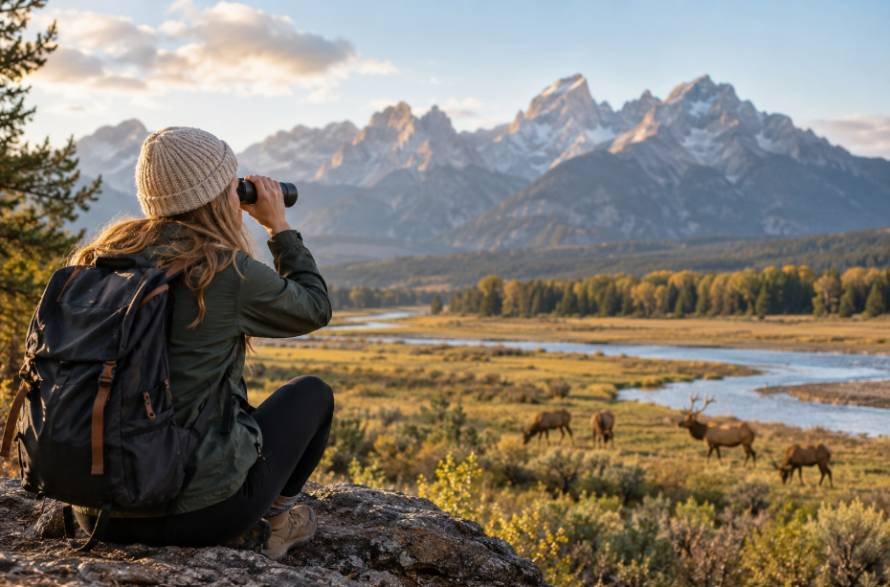
Hands-off viewing is one of the clearest signs of an ethical animal encounter. Travelers should be able to watch without touching, feeding, riding, holding, or posing with wildlife. Even seemingly gentle activities can be problematic. A photograph of someone cuddling a sloth or bathing an elephant may look harmless, but it can be a warning sign.
Natural behavior matters just as much. A wild animal that ignores visitors, disappears into vegetation, or refuses to approach is behaving normally. Responsible operators accept that uncertainty. Responsible wildlife tourism increasingly emphasizes patience because genuine encounters cannot be produced on demand.
How to Choose a Responsible Operator
Before booking, look beyond star ratings. Read the operator’s wildlife policy and ask specific questions about group size, viewing distances, feeding, touching, and what happens when an animal does not appear.
Pay attention to how the business describes its conservation work. Terms such as “sanctuary,” “rescue,” and “conservation” do not automatically explain how animals are treated. A credible operation should be able to describe its purpose, animal-care practices, partnerships, and rules without relying entirely on emotional marketing.
A strong operator treats guides as educators, not spotters focused on photographs. Knowledgeable naturalists explain behavior, habitat, seasonal changes, and visitor restrictions. That makes the experience richer while reducing pressure to get closer.
Wildlife Experiences Worth Considering
Meaningful, responsible wildlife tourism experiences happen in protected landscapes where observation is the main activity.
Choosing the right season can also shape a wildlife trip, particularly for travelers looking for comfortable conditions and fewer crowds, similar to planning other off-season destinations.
Birding in the Galápagos, for example, can introduce travelers to species such as marine iguanas and blue-footed boobies without requiring direct interaction. Gorilla trekking in Rwanda offers another model, where regulated visits and expert guidance can keep encounters structured around observation.
Whale watching around Baja California can also work well when boats follow local rules and avoid crowding animals. The behavior built into the experience matters more.
Reputable wildlife rescue centers can provide another option, particularly when they prioritize rehabilitation, release where possible, and lifelong care only for animals that cannot return to the wild. Travelers should still investigate rather than assuming every rescue or sanctuary operates responsibly.
Support Conservation Beyond the Encounter
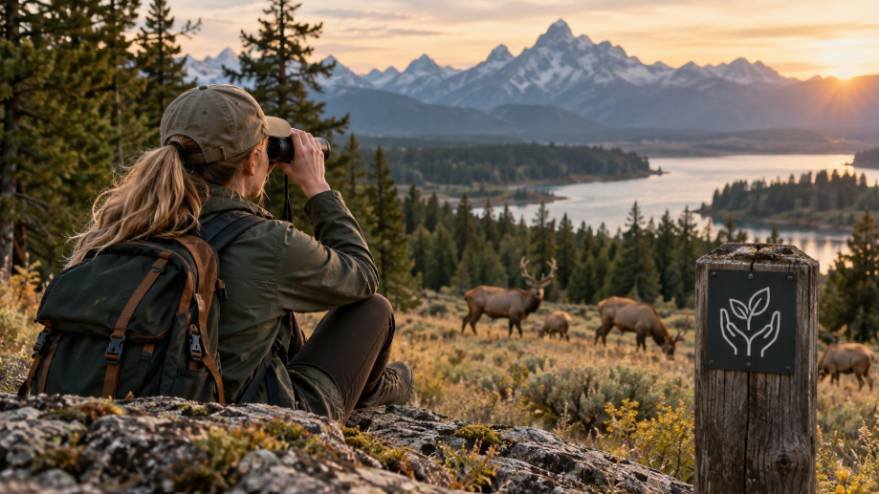
Responsible tourism can have value beyond one person’s experience. Tourism revenue can support protected areas, conservation programs, jobs, and communities that depend on healthy ecosystems. That can connect travel with long-term habitat protection.
Travelers can also look for experiences that support rewilding landscapes for endangered species, especially when restoration helps rebuild habitat rather than simply creating another attraction. The most useful question is where the money, labor, and visitor activity ultimately go.
Community participation matters too. Local guides, community-owned businesses, conservation workers, and Indigenous communities can help protect wildlife and make tourism economically meaningful. Spending locally can keep some benefits within places carrying tourism’s costs.
Red Flags That Should Change Your Plans
Certain offers should make travelers pause:
- Animal selfies, cub petting, elephant rides, captive dolphin swims, and other direct-contact activities.
- Guaranteed close encounters, feeding sessions, or promises of specific animals appearing on schedule.
- Tours that crowd animals with vehicles or boats, use food to lure them closer, or encourage guests to ignore distance rules.
These practices can turn wildlife into a performance rather than an observation. They also make normal animal behavior harder to recognize because the encounter has been engineered around human expectations.
Responsible operators accept that wildlife may stay hidden. They also know when to move away. If a guide repeatedly pushes closer for photographs, the experience is no longer centered on the animal.
Let the Wildlife Set the Pace
A respectful encounter can feel slower than conventional tourism. You may spend an hour watching one bird, hear a distant call, or return without checking every species off a list. That uncertainty is not a flaw. It is part of experiencing a living ecosystem rather than a staged attraction.
Good wildlife guides help travelers become better observers. They point out tracks, sounds, feeding patterns, nesting sites, and subtle behavioral changes. Those details can turn a sighting into a deeper understanding of the habitat.
Frequently Asked Questions
1. What makes a wildlife experience responsible?
It allows animals to behave naturally, avoids unnecessary contact, follows local rules, and puts animal welfare and habitat protection ahead of entertainment.
2. Are wildlife sanctuaries always ethical?
No. The word sanctuary alone does not establish good practices. Research the facility’s policies, animal-care standards, conservation work, and approach to visitor interaction.
3. Should I avoid tours that guarantee sightings?
Be cautious. Wild animals are unpredictable, so guarantees can indicate that an operator may use feeding, crowding, or other interventions to produce encounters.
4. How can tourists support conservation?
Choose operators that contribute to conservation and communities, follow protected-area rules, spend locally, and support experiences connected to genuine habitat protection.
Why Respect Makes the Encounter Matter
The strongest wildlife memories often come from moments that were never forced. A distant whale surfacing beside a quiet boat, a gorilla disappearing into dense vegetation, or a bird finally emerging after a long wait can feel more meaningful precisely because nobody controlled the outcome. Responsible tourism leaves room for those moments.
Wildlife does not need to perform for us. Sometimes the most ethical encounter is simply the one where we watch, learn, and let the animal walk away.