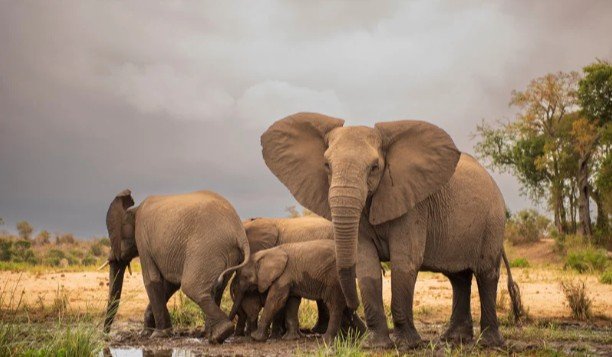
Whenever I enter a national park, I remind myself that I am visiting a protected ecosystem rather than an ordinary tourist attraction. The trails, wildlife, water sources and cultural sites can all be affected by seemingly harmless decisions. Learning how to visit national parks responsibly allows me to enjoy these remarkable places while helping preserve them for residents, wildlife and future travelers.
Responsible travel begins before reaching the entrance. It involves researching local regulations, preparing for changing conditions and understanding how personal behavior affects the surrounding environment. The following practices can make any park visit safer, more respectful and less damaging.
Research the Park Before Your Visit
Every national park has different conditions, regulations and conservation challenges. Visit the park’s official website before traveling and check its current alerts, weather forecasts, road closures and trail conditions.
Some parks require advance reservations, camping permits or permission for particular activities. Popular trails may also have daily visitor limits. Confirming these requirements prevents unnecessary journeys and reduces pressure on park employees.
Download maps and essential information for offline use because mobile coverage can be unreliable. Tell someone where you are going, especially if you plan to hike alone or explore a remote area.
Prepare for Local Conditions
Research the park’s elevation, climate and natural hazards. Conditions can change rapidly in mountains, deserts, rainforests and coastal areas. Pack appropriate clothing, sufficient drinking water, food, sun protection and basic emergency supplies.
Choose activities that match your experience and physical ability. Attempting an unsuitable route can endanger both you and the people responsible for conducting rescues.
Visit During Quieter Periods
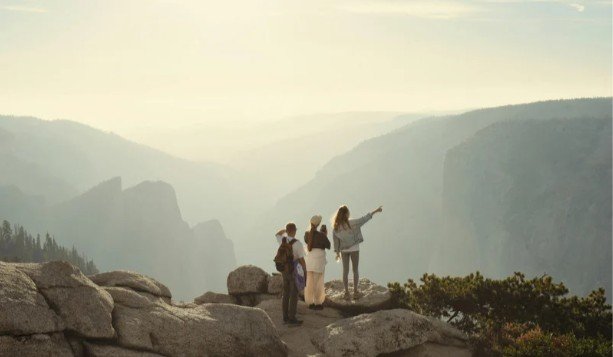
Heavy visitor concentrations can cause traffic, overflowing waste facilities, soil erosion on mountain trails, and wildlife disturbance. In coastal destinations, learning about reef safe sunscreen and marine conservation can also help reduce pressure on sensitive ecosystems. When possible, travel outside the busiest season or visit early in the morning.
Explore less crowded trails and viewpoints recommended by park staff instead of concentrating only on famous locations. Never create an informal parking space, block emergency access or stop a vehicle in the road to photograph wildlife.
Using public transportation, shared rides or park shuttle services can reduce congestion and emissions. If driving is necessary, stay on approved roads and park only in designated areas.
Stay on Designated Trails
Established paths concentrate foot traffic on surfaces designed to withstand repeated use. Walking around puddles, cutting switchbacks or leaving a path for a photograph can crush plants and gradually create unofficial trails.
In remote areas where off-trail travel is permitted, use durable surfaces such as rock, gravel or dry ground. Follow local instructions because fragile vegetation, biological soil and wetland environments may take years to recover from a single footprint.
Camp only in approved places or on suitable surfaces where dispersed camping is allowed. Avoid expanding a campsite or moving rocks and branches to change its layout.
Carry Out Everything You Bring
Food wrappers, bottles and other obvious litter should always leave the park with you. Less obvious waste, including fruit peels, seeds and leftover food, must also be packed out. Natural-looking food remains can attract animals and alter their behavior.
Bring reusable containers and carry a dedicated waste bag. Use recycling and rubbish facilities only when they are available and not overflowing.
Human-waste rules vary according to terrain and ecosystem. Use established toilets whenever possible. In backcountry areas, follow that park’s specific disposal instructions rather than assuming one method is acceptable everywhere. Hygiene products and wipes generally need to be packed out.
Observe Wildlife from a Safe Distance
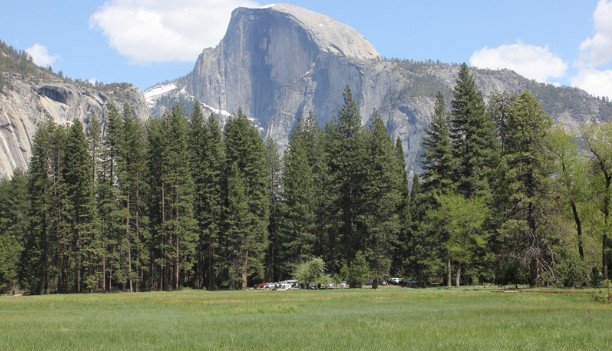
Wild animals should never be approached, surrounded, touched or fed. If an animal changes direction, stops eating or watches you closely, you may already be too close.
Use binoculars or a zoom lens rather than moving nearer for a photograph. Keep food, rubbish and scented products in the storage system required by the park. Feeding wildlife can make animals dependent on visitors, spread disease and create dangerous encounters.
Pets must remain under control and are prohibited from many trails. Check the regulations beforehand and never leave an animal unattended in a vehicle.
Leave Natural and Cultural Objects Undisturbed
Rocks, shells, flowers, feathers and other natural objects belong in the landscape. Removing even a small item becomes damaging when repeated by thousands of visitors.
Historic buildings, archaeological remains, carvings and ceremonial locations also require special care. Do not touch artifacts, climb structures or enter restricted areas. Learn about the communities connected to the land and follow guidance concerning sacred places, photography and appropriate behavior.
Avoid publishing precise locations of vulnerable cultural sites or delicate natural features. Responsible photography should encourage appreciation without directing excessive traffic toward places unable to support it.
Prevent Fire Damage
Before lighting any fire, check current restrictions. Hot, dry or windy conditions can make even a small flame dangerous. Where fires are permitted, use an established fire ring and keep the fire manageable.
Never leave flames or hot embers unattended. Extinguish the fire completely until the remains are cool to the touch. Do not transport firewood between regions because it may carry invasive insects or diseases. A portable stove is often a safer option for cooking.
Respect Other Visitors
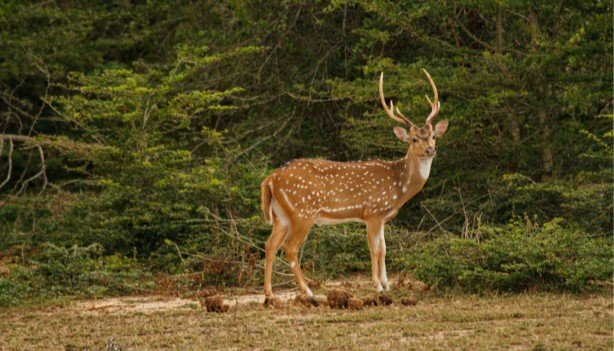
National parks are shared spaces. Keep voices, speakers and vehicle noise low so other people can experience natural sounds. Use headphones when listening to music and reduce unnecessary light at night.
Yield according to posted trail guidance and allow faster groups to pass safely. Do not occupy narrow viewpoints for long periods or interfere with another visitor’s experience to obtain a photograph.
Be patient with park employees, follow temporary closures and report serious hazards through appropriate channels. Restrictions often protect nesting animals, damaged trails or visitors from conditions that may not be immediately visible.
Support the Places Surrounding the Park
Responsible tourism extends beyond park boundaries. Spend money with locally owned accommodation providers, restaurants, guides and craftspeople where practical. Choose operators that follow environmental standards and respect local communities.
Visitors can also participate in approved cleanups, habitat projects or educational programs. Donations to legitimate conservation organizations can support trail maintenance, research and restoration, but everyday conduct inside the park remains equally important.
Frequently Asked Questions
1. How to visit national parks responsibly during a busy season?
Reserve required entry permits, arrive outside peak hours, use public transport or shuttles, select quieter routes and follow all parking restrictions. Carry reusable supplies and be prepared to change plans if an area becomes overcrowded.
2. Is it acceptable to take rocks or plants from a national park?
No. Removing natural objects can damage ecosystems and may violate park regulations. Leave rocks, plants, fossils, shells and artifacts exactly where you find them.
3. Can I feed wildlife if the food is natural?
No. Any feeding can change an animal’s diet and behavior. It may also encourage animals to approach roads, campsites or people, increasing the risk of injury.
4. Are drones allowed in national parks?
Rules differ between countries and individual parks. Many protected areas prohibit or tightly restrict drone use because it can disturb wildlife and visitors. Check official regulations before carrying or operating one.
Final Thoughts
When I travel through protected landscapes, I want my presence to leave as little evidence as possible. Planning ahead, controlling waste, respecting wildlife and following local rules require only modest effort, yet these choices can prevent lasting damage.
For me, a successful park visit is not measured only by the photographs I take or the trails I complete. It is also measured by whether the landscape remains undisturbed after I leave. Traveling with care makes the experience more meaningful and helps ensure that others can discover the same natural and cultural richness in the future.