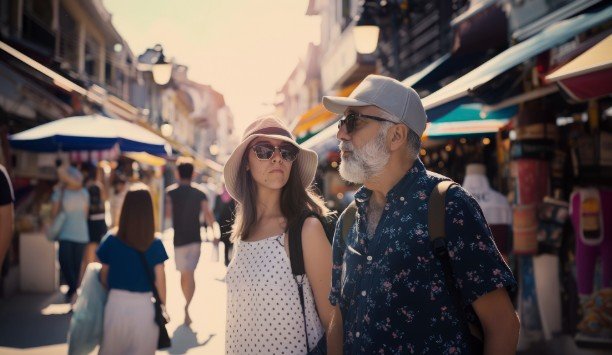
I used to think overcrowded streets and long attraction queues were the clearest signs of excessive tourism. However, those inconveniences only reveal the surface of a much deeper problem. After looking closely at popular destinations, I realized that how overtourism affects local communities is ultimately a story about homes, livelihoods, public resources, cultural identity, and residents’ right to enjoy the places where they live.
Tourism can generate jobs, support conservation, and introduce visitors to different cultures. Problems develop when visitor numbers grow faster than a destination’s ability to manage them. At that point, residents may bear the costs while large tourism businesses receive most of the financial benefits.
What Is Overtourism?
Overtourism occurs when the number, concentration, or behavior of visitors creates unacceptable pressure on a destination. It is not determined by one universal visitor limit. A large city may accommodate millions of travelers, while a small island, mountain village, or historic neighborhood may struggle with a few thousand daily visitors.
A destination’s limit depends on its roads, housing supply, water availability, waste systems, natural environment, public services, and residents’ tolerance. Timing matters as well. Even a manageable annual total can become damaging when most visitors arrive during one season or within a few hours.
Why Does Overtourism Develop?

Cheap Travel and Cruise Tourism
Low-cost flights, packaged vacations, and online booking services have made popular destinations easier to reach. Cruise ships can also release thousands of passengers into a compact port within a short period. These travelers use roads, public spaces, and attractions but may spend little at locally owned businesses.
Social Media and Viral Attractions
Social platforms can transform a quiet beach, neighborhood, or natural viewpoint into an international attraction almost overnight. Visitors often concentrate around the same photogenic locations rather than exploring a wider area. Local authorities may not have enough time or funding to prepare toilets, transportation, parking, security, and waste services.
Short-Term Rentals and Weak Planning
Vacation rentals can increase accommodation capacity without requiring new hotels. However, large numbers of homes may be removed from the long-term rental market. When tourism grows without effective planning, housing, roads, sewage systems, and essential services cannot keep pace.
How Overtourism Changes Residents’ Daily Lives
Housing Becomes Less Affordable
Property owners can often earn more from short stays than from local tenants. This encourages some landlords to convert permanent housing into vacation rentals. As the long-term supply falls, rents and property prices may rise.
Local workers can then find themselves commuting from distant areas because they can no longer afford to live near their jobs. Young adults may leave entirely, weakening family networks and reducing the number of permanent residents who sustain schools and community organizations.
Everyday Costs Can Increase
High visitor demand may push up the prices of food, transportation, entertainment, and basic services. Businesses may redesign their products for travelers with greater spending power instead of serving local customers.
This does not mean every resident benefits from higher prices. Tourism workers may continue receiving modest or seasonal wages even as their rent, groceries, and transportation costs increase.
Infrastructure Comes Under Pressure
Understanding how overtourism affects local communities requires looking beyond crowded attractions. Residents must deal with congested roads, packed buses, overflowing waste bins, damaged walking routes, water shortages, and greater demand for emergency services.
In destinations with limited freshwater, resorts, pools, and visitor facilities may consume substantial supplies. Residents can face restrictions while tourism operations continue functioning. Poor waste and sewage management can also contaminate beaches, rivers, and groundwater that communities depend on.
Local Businesses Disappear
Businesses serving residents may struggle when commercial rents rise. Grocery stores, workshops, and neighborhood services can be replaced by souvenir shops, restaurants, bars, and visitor accommodation.
Although tourism creates commercial activity, the resulting economy may become less useful to permanent residents. A neighborhood can appear prosperous while becoming increasingly difficult to live in.
Culture Becomes a Commodity
Tourism can help preserve traditional food, crafts, music, and historic sites, especially when travelers plan a low carbon vacation that supports local communities. Yet excessive demand can also turn living traditions into performances designed mainly for visitors.
Sacred locations may be treated as photo opportunities, while ceremonies may be altered to fit tourism schedules. Over time, residents can feel that their identity has been packaged and sold without their control or meaningful participation.
Community Well-Being Declines
Noise, trespassing, traffic, litter, and antisocial behavior can produce stress and resentment. Beaches, parks, markets, and town centers that once supported community life may become difficult for residents to access.
The emotional impact is significant. People may stop recognizing their neighborhood or feel like outsiders in their own hometown. Protests often emerge when residents believe authorities value visitor spending more than local quality of life.
Does Overtourism Benefit Local Communities?

Tourism can provide employment, tax revenue, cultural exchange, and support for conservation. The central issue is how those benefits are distributed.
Jobs may be seasonal, insecure, or poorly paid. Revenue may also leave the destination through international hotel companies, booking platforms, cruise operators, and outside investors. A healthy tourism economy should keep more money within the community through locally owned accommodation, restaurants, tours, farms, and creative businesses.
How Can Destinations Protect Residents?
Regulate Housing and Visitor Numbers
Authorities can license short-term rentals, enforce rental-day limits, protect residential zones, and penalize illegal listings. Timed admission, reservation systems, cruise limits, and group-size restrictions can reduce pressure at the busiest locations.
Spread Tourism More Carefully
Encouraging off-season visits can reduce intense seasonal pressure. Destinations may also promote less crowded areas, but they must prepare those communities before redirecting visitors. Moving crowds without planning can simply transfer the problem elsewhere.
Give Residents Decision-Making Power
Communities should help determine acceptable visitor levels, development rules, tourism taxes, and how tourism revenue is spent. Resident surveys and public consultations can reveal problems before frustration becomes displacement or protest.
Tourism taxes can support public transportation, affordable housing, waste collection, conservation, and infrastructure. However, small fees alone rarely reduce crowds unless they form part of a broader management strategy.
What Can Travelers Do?
Travelers can visit outside peak periods, stay in locally owned accommodation, use public transportation, respect residential areas, conserve water, and spend money with community businesses. Staying longer can also provide more local value than making a rushed day trip.
Visitors should treat destinations as living communities rather than entertainment settings. Respecting cultural rules, avoiding intrusive photography, and following local guidance can reduce tension considerably.
Frequently Asked Questions
1. How does overtourism affect local communities most directly?
How overtourism affects local communities most directly can be seen in rising housing costs, crowded public services, traffic, noise, environmental pressure, cultural disruption, and the replacement of resident-focused businesses.
2. Is overtourism the same as mass tourism?
Not exactly. Mass tourism describes large-scale travel, while overtourism occurs when tourism exceeds what a particular destination and its residents can sustainably manage.
3. Can tourism still help local residents?
Yes. Tourism can create employment, fund conservation, and support local enterprises when residents participate in decisions and a fair share of visitor spending remains in the community.
4. Are tourism taxes enough to solve overtourism?
Tourism taxes can fund essential services, but they rarely solve the problem alone. Destinations may also need housing regulations, visitor limits, infrastructure investment, and community participation.
A Better Balance for People and Places
I believe travel should strengthen a destination rather than make daily life harder for the people who call it home. The answer is not necessarily to eliminate tourism, but to manage it according to local capacity and community priorities. When residents have genuine authority, tourism revenue remains local, and visitors behave respectfully, destinations can remain welcoming without sacrificing their identity or livability.