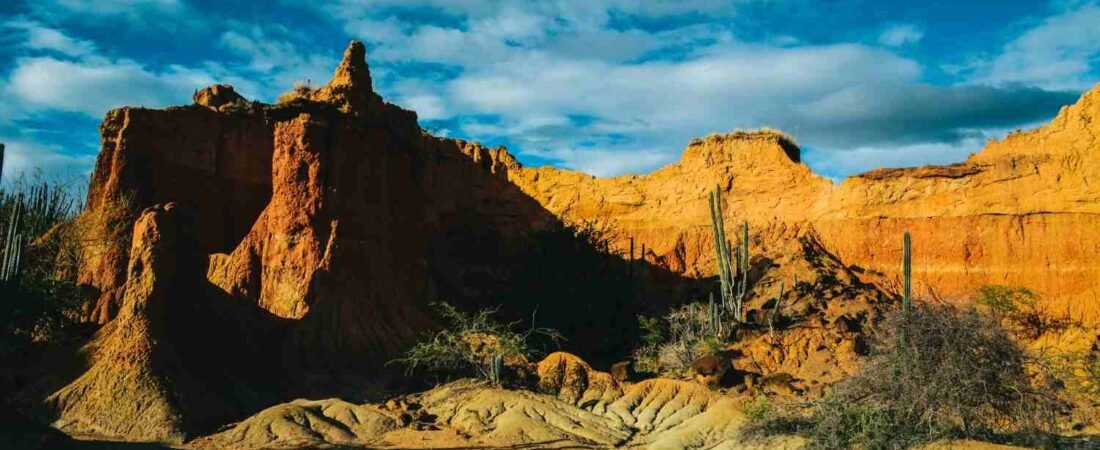
Arizona’s desert landscapes become far more meaningful to me when I understand the people and cultures connected to them. The state is home to 22 federally recognized tribes, while its archaeological record reflects Ancestral Puebloan, Sinagua, Salado, and Ancestral Sonoran Desert traditions, often described archaeologically as Hohokam.
For travelers like me who want more than a scenic road trip, Arizona’s Native American cultural sites offer cliff dwellings, centuries-old pueblos, sophisticated desert engineering, museums, contemporary Indigenous art, and opportunities to learn from living Native communities.
Which Arizona Cliff Dwellings Should I Visit First?
Montezuma Castle National Monument
Near Camp Verde, Montezuma Castle is one of Arizona’s most recognizable cliff dwellings and a fascinating stop for travelers interested in remote travel destinations. The five-level structure contains 20 rooms and sits high inside a limestone cliff. Construction began during the early 1100s, and people commonly identified archaeologically as Sinagua occupied communities in the Verde Valley until around the early 1400s.
I cannot enter the dwelling today, but a short, self-guided trail provides excellent views while protecting the fragile structure.
Canyon de Chelly National Monument
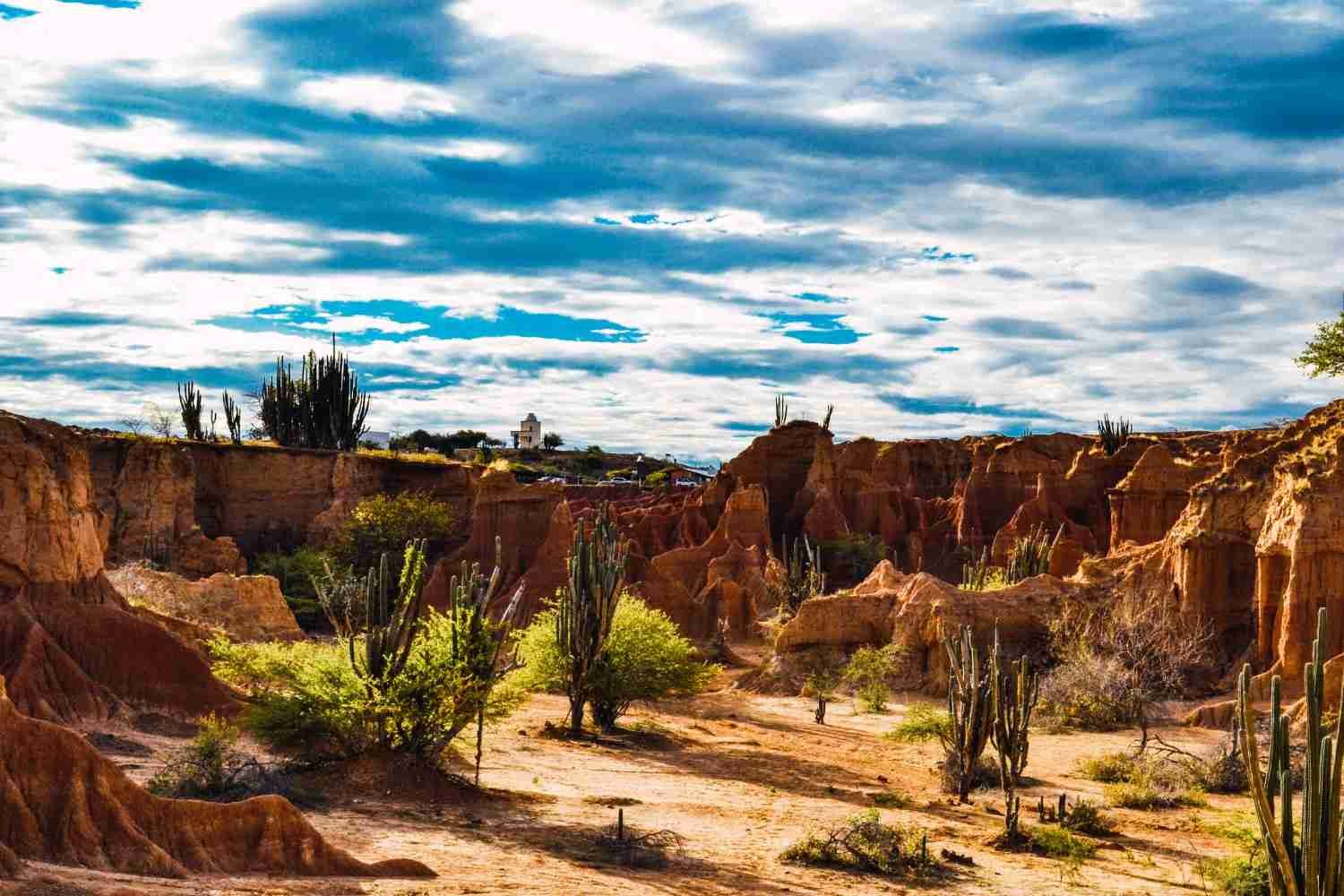
Canyon de Chelly near Chinle stands out because it combines extraordinary archaeology with a living Navajo landscape. Archaeological resources here represent more than 4,000 years of human occupation, and Navajo families still live, farm, and raise livestock within the monument.
I can enjoy dramatic canyon views from rim overlooks, while access to many areas below the rim is controlled to protect residents, visitors, and cultural resources. When a Navajo guide is required, I see that as an opportunity to experience the landscape through local knowledge rather than simply photograph it.
Navajo National Monument
Navajo National Monument protects remarkable Ancestral Puebloan cliff dwellings, including Betatakin and Keet Seel. Keet Seel is the largest Ancestral Puebloan structure in Arizona, and reaching it is no casual walk. Current NPS guidance describes a strenuous 17-mile round-trip backcountry experience with steep switchbacks, sand, stream crossings, and ranger-led access.
Tonto National Monument
Near Roosevelt Lake, Tonto National Monument preserves cliff dwellings associated archaeologically with the Salado cultural tradition. The Lower Cliff Dwelling is reached by a steep, paved one-mile round-trip trail that gains about 350 feet and provides expansive views toward Roosevelt Lake. The Upper Cliff Dwelling has more restricted guided access.
Where Can I See Arizona’s Ancient Pueblos and Desert Engineering?
Casa Grande Ruins National Monument
In Coolidge, the four-story Great House immediately captures my attention. It was constructed by the Ancestral Sonoran Desert People, whose communities developed extensive irrigation agriculture and trade networks across the region. Archaeologists historically use the term Hohokam for this archaeological tradition, although the National Park Service stresses that it is not the name of a separate tribe.
The site’s vast canal systems reveal just how effectively desert communities managed water long before modern Phoenix existed.
Wupatki National Monument
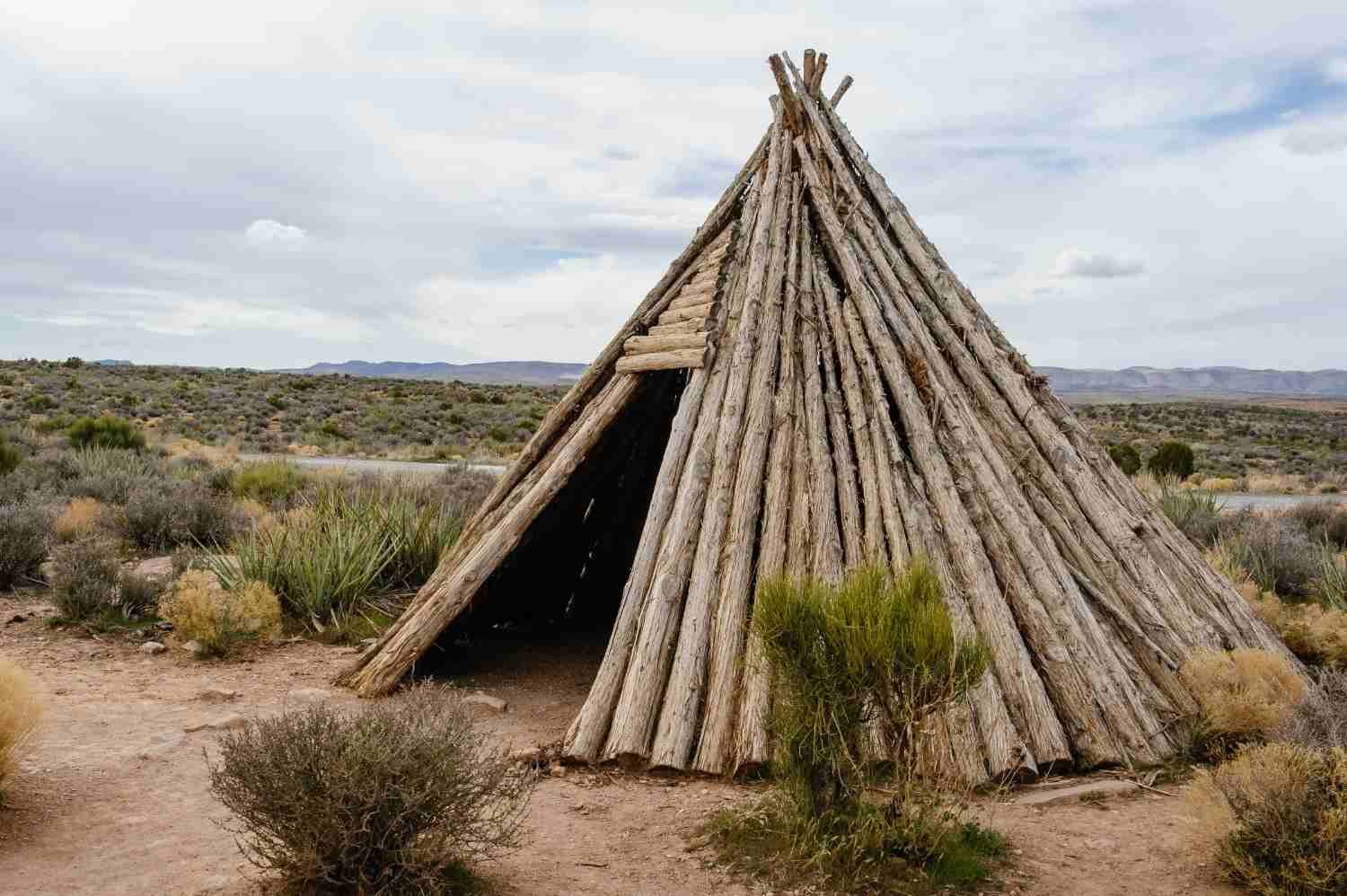
North of Flagstaff, Wupatki Pueblo grew during the 1100s after the eruption of nearby Sunset Crater Volcano. The main pueblo contains 104 rooms as well as a ball court and natural blowhole. NPS also identifies Wupatki as an important ancestral place for Indigenous communities today, including Hopi connections.
Tuzigoot National Monument
Near Clarkdale, Tuzigoot gives me a different perspective on Sinagua architecture. The hilltop pueblo ultimately contained about 110 rooms, including second-story spaces, and its elevated position provides sweeping views across the Verde Valley.
Travelers exploring Sedona and the Verde Valley can also consider Palatki and Honanki heritage sites, while Walnut Canyon near Flagstaff adds another accessible look at cliff-dwelling architecture.
Which Arizona Museums Best Explain Living Native Culture?
Heard Museum in Phoenix
I would not build an Indigenous heritage itinerary around archaeological sites alone. The Heard Museum in Phoenix is essential because its galleries present American Indian voices and connect traditional works with contemporary Indigenous creativity. Its exhibitions span art, history, sculpture, photography, boarding-school histories, and Native life in the Southwest.
S’edav Va’aki Museum in Phoenix
Formerly called Pueblo Grande Museum, S’edav Va’aki Museum preserves a 1,500-year-old archaeological site in metropolitan Phoenix. Visitors can see a platform mound, ball court, reconstructed features, and surviving irrigation canals created by Ancestral Sonoran Desert communities. The museum also explains the cultural continuity between the ancient village and O’Odham communities today.
Museum of Northern Arizona
In Flagstaff, the Museum of Northern Arizona’s “Native Peoples of the Colorado Plateau” exhibition was developed collaboratively with 42 tribal consultants representing ten regional tribes. More than 350 objects help tell those communities’ stories in their own cultural context.
I would also consider the Hopi Cultural Center for contemporary Hopi history and culture and Monument Valley Navajo Tribal Park when I want to combine dramatic scenery with Native-guided interpretation.
How Should I Visit Tribal Lands Respectfully?
Visiting native American cultural sites in Arizona requires different expectations depending on who manages the land. National Park Service monuments generally use established trails, visitor centers, admission rules, and posted photography policies. Tribal lands are sovereign jurisdictions and may require separate permits, reservations, or authorized guides.
I never assume that photography is acceptable simply because I can physically access a location. Ceremonies, sacred places, homes, and some community spaces may restrict or prohibit photography and recording. On remote tribal roads, I also watch carefully for livestock, changing road conditions, and limited services.
When possible, I buy artwork directly from Native artists or reputable tribal institutions. That makes the experience more meaningful while supporting contemporary Indigenous creativity.
How Would I Plan an Arizona Indigenous Heritage Road Trip?
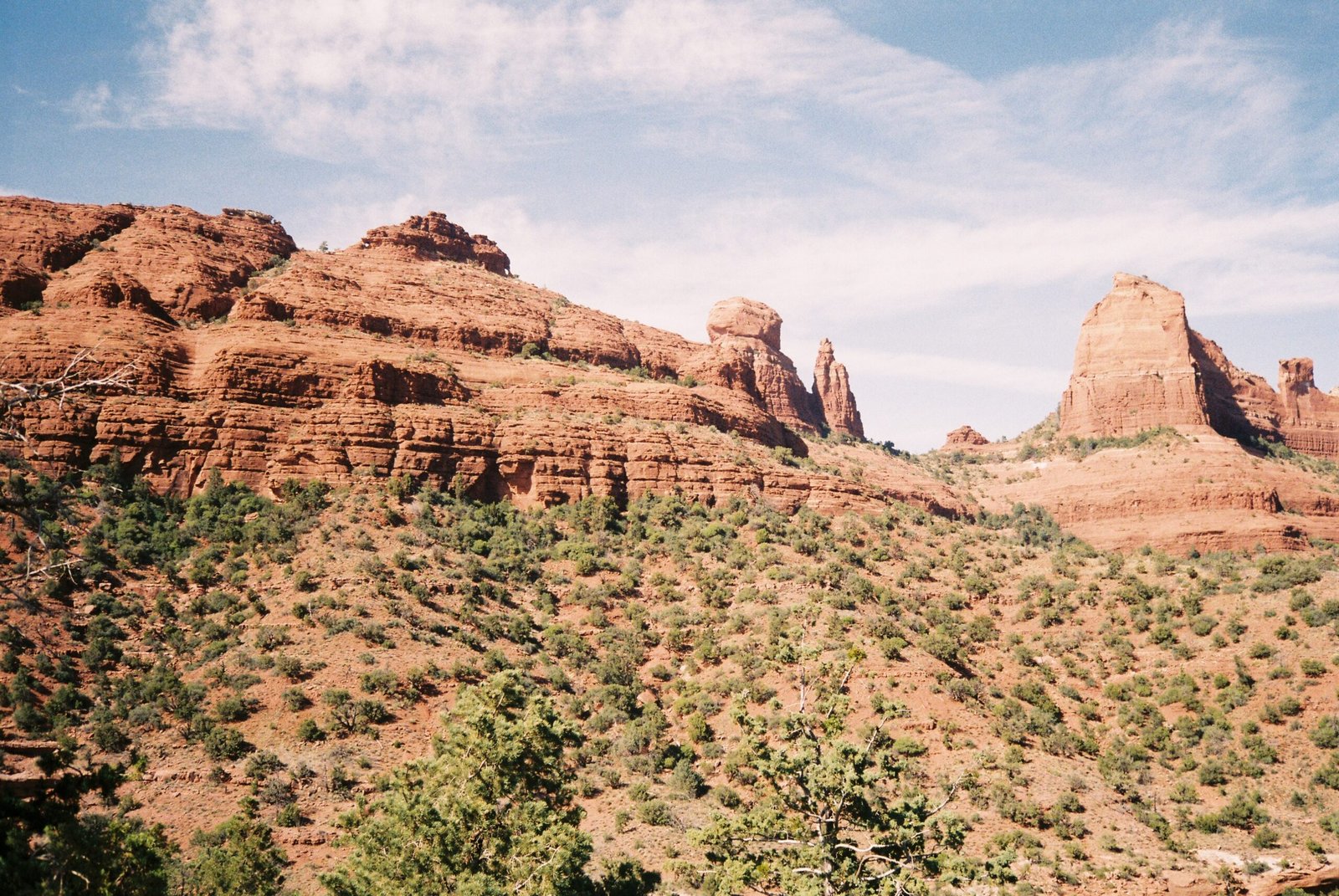
I would start in Phoenix with the Heard Museum and S’edav Va’aki Museum, then head toward Casa Grande if traveling south or Camp Verde and Sedona if traveling north. Montezuma Castle, Tuzigoot, Palatki, and Honanki work well together in the Verde Valley.
From Flagstaff, I can combine the Museum of Northern Arizona, Walnut Canyon, and Wupatki before continuing toward Navajo National Monument, Canyon de Chelly, or Monument Valley. I always verify current permits, tours, seasonal closures, road conditions, and tribal visitor policies before leaving.
FAQs About Arizona Native American Heritage Sites
1. Can tourists visit tribal lands in Arizona?
Yes, many tribal communities welcome visitors, but every nation establishes its own rules. Some destinations allow independent visits, while others require guides, permits, reservations, or restrictions on photography.
2. What Native American sites can I visit near Phoenix?
The Heard Museum and S’edav Va’aki Museum are convenient Phoenix choices. Casa Grande Ruins is also an excellent addition for travelers interested in desert architecture and ancient irrigation.
3. What are the best Native American sites near Flagstaff?
Wupatki National Monument, Walnut Canyon National Monument, and the Museum of Northern Arizona make a strong combination for learning about archaeology and living Indigenous cultures of the Colorado Plateau.
4. Are Arizona’s cliff dwellings abandoned ruins?
I avoid thinking of them only that way. Although many structures are no longer inhabited, descendant communities retain historical, cultural, and spiritual relationships with numerous ancestral places.
A Deeper Way to Experience Arizona
When I visit native american cultural sites in Arizona, I am not simply checking old buildings off a sightseeing list. I am exploring landscapes where engineering, agriculture, art, spirituality, migration, and community histories remain interconnected.
Places such as Canyon de Chelly demonstrate especially clearly that Arizona’s Indigenous story did not end centuries ago. The most rewarding trip combines archaeological sites with museums, Native-guided experiences, living tribal communities, and respect for the rules established by the people whose homelands I am visiting.