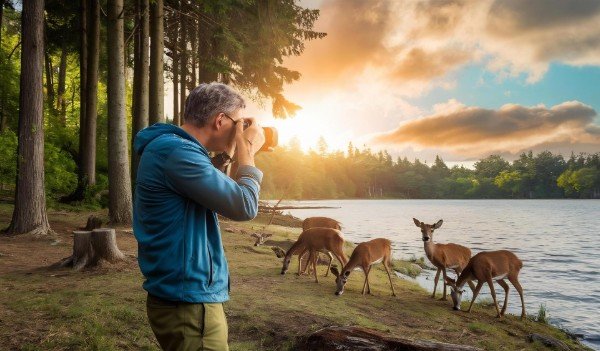
Wildlife encounters can become the most memorable moments of a journey, but I have learned that an exciting activity is not always an ethical one. Elephant baths, dolphin swims, animal shows, and baby-animal photographs may appear harmless while hiding stressful training, restraint, or captivity.
By following responsible wildlife tourism practices, I can enjoy seeing animals without supporting experiences that compromise their freedom, natural behavior, or well-being.
What Does Responsible Wildlife Tourism Mean?
Responsible wildlife tourism places the needs of animals and ecosystems ahead of visitor entertainment. Animals should be able to move away, rest, hunt, feed, migrate, socialize, and care for their young without being interrupted for photographs or performances.
Ethical tourism should also provide genuine benefits to communities living near wildlife habitats. Visitor spending can support local guides, conservation programs, habitat restoration, research, and anti-poaching work. However, these benefits depend on transparent management and fair distribution of tourism income.
Research Every Wildlife Attraction Before Booking
Businesses frequently use words such as “ethical,” “rescue,” “sanctuary,” and “conservation.” These terms sound reassuring, but they do not prove that animals receive responsible care.
Before booking, travelers should investigate where the animals came from, whether they were captured or bred in captivity, and whether visitors can touch or feed them. A trustworthy operator should publish clear animal-welfare rules under the act, explain viewing-distance requirements, limit group sizes, and describe how tourism revenue supports conservation or nearby communities.
Independent reviews may reveal problems that promotional photographs conceal. Critical reviews can contain reports of chains, cramped enclosures, forced performances, distressed animals, aggressive guides, or pressure to buy staged photographs.
Identify Signs of an Unethical Wildlife Experience
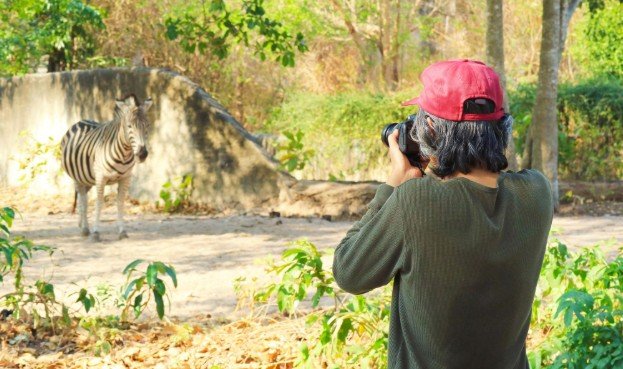
Physical interaction is one of the most obvious warning signs. Attractions that allow people to ride, hug, hold, wash, or pose beside wild animals may rely on punishment, restraint, sedation, or food deprivation to make unpredictable animals manageable.
Performances are another concern. Wild animals do not naturally dance, paint, balance objects, jump through hoops, or maintain poses for photographs. Training them to repeat these actions can prioritize entertainment and profit over their physical and emotional welfare.
Guaranteed sightings should also create doubt. Wild animals move according to food, weather, migration, breeding patterns, and instinct. A company promising a guaranteed encounter may feed, bait, chase, or confine animals to fulfil that promise. Just as travellers carefully choose an eco friendly hotel, they should select wildlife operators that respect natural behaviour and never guarantee encounters.
Constant availability of baby animals can indicate captive breeding for tourism. Young animals may be separated from their mothers because travelers are more likely to pay for close contact with them.
Observe Wildlife Without Changing Its Behavior
A responsible encounter should not make an animal stop eating, move away from its young, abandon a resting place, or change direction. Visitors should stay within designated areas, follow marked trails, respect barriers, and maintain the distances required by local authorities.
Noise should remain low near nesting areas, dens, feeding grounds, and animals caring for young. Travelers should never shout, clap, surround an animal, imitate calls, or make sudden movements to force a reaction.
Feeding wildlife can interrupt natural foraging, spread disease, cause nutritional problems, and create dependence on people. Animals that become comfortable approaching visitors or vehicles may experience conflict, injury, or removal.
Travelers should also keep food sealed, remove their waste, avoid damaging plants, and leave shells, stones, feathers, and other natural objects where they belong.
Select an Ethical Wildlife Tour Operator
Responsible guides explain the rules before an activity and enforce them throughout the experience. They limit viewing time, control group size, avoid crowding animals, and withdraw when an animal displays signs of stress.
Before paying, ask whether the operator follows official wildlife-viewing regulations. Find out how close its vehicles or boats may approach, whether animals are ever fed, and what guides do when an animal moves away.
A responsible company should openly admit that sightings cannot be guaranteed. That uncertainty shows that the animals remain free rather than being controlled for visitors.
Locally owned companies can keep more tourism income within surrounding communities. Local guides may also possess valuable knowledge about animal behavior, seasonal movements, fragile habitats, and regional conservation challenges.
Follow Ethical Wildlife Photography Rules
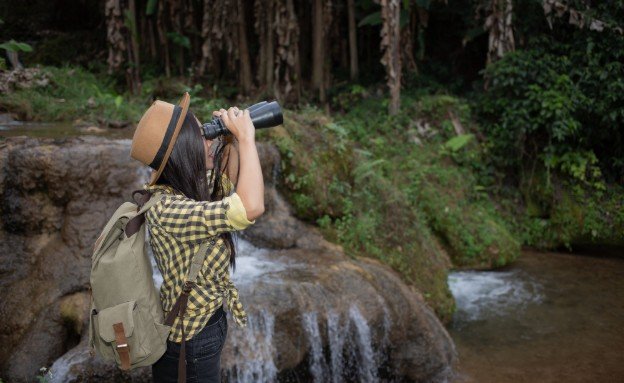
A photograph is never worth frightening or disturbing an animal. Long lenses and binoculars allow travelers to enjoy detailed views while maintaining a safe distance. Flash should be avoided whenever it could disturb nocturnal animals, nesting birds, or sensitive species.
Visitors should never use food, recorded calls, or sudden movements to create a dramatic photograph. Drones can interrupt feeding, trigger defensive behavior, or separate animals from their young. They should only be used where local rules expressly permit them.
Social media behavior also matters. Sharing the exact location of a rare animal, nest, or breeding site can attract crowds, collectors, and poachers. Removing geotags and withholding sensitive locations helps protect vulnerable wildlife.
Images showing animal handling should not be shared as entertainment. Even negative attention may increase the visibility of an exploitative attraction and encourage other travelers to visit.
Evaluate Sanctuaries and Rescue Centers Carefully
Not every captive facility operates in the same way. Some centers provide lifelong care for injured, confiscated, or orphaned animals that cannot safely return to the wild. Others use rescue language to disguise commercial entertainment.
A credible sanctuary should not offer rides, performances, breeding for display, staged selfies, or unrestricted handling. Animals should have suitable food, clean water, shelter, veterinary care, enrichment, and enough space to express natural behavior.
Accreditation can provide a useful starting point, but it should not replace careful research. Travelers should examine the facility’s breeding policy, visitor rules, financial transparency, conservation work, and long-term plans for every animal.
Frequently Asked Questions
1. What are responsible wildlife tourism practices?
Responsible wildlife tourism practices include maintaining a safe distance, avoiding feeding and touching, choosing transparent operators, limiting noise, protecting habitats, and supporting conservation programs and local communities.
2. Are wildlife sanctuaries always ethical?
No. “Sanctuary” can be used as a marketing term. Avoid facilities offering performances, rides, routine breeding, unrestricted contact, or close-up photographs with wild animals.
3. Can wildlife tourism support conservation?
Properly managed tourism can fund habitat protection, scientific research, rehabilitation, ranger programs, and local employment. Operators should explain clearly how visitor fees produce these benefits.
4. Why should tourists avoid feeding wildlife?
Feeding can alter natural behavior, create dependency, spread disease, cause nutritional problems, and increase dangerous encounters between animals and people.
A More Respectful Way Forward
I believe the finest wildlife encounters are not the closest or most carefully staged. They happen when I can quietly observe an animal behaving naturally and leave without changing what it was doing.
Every booking influences the tourism industry. When I reject exploitative attractions and support transparent, conservation-focused operators, I help create demand for experiences that respect animals, habitats, and communities. Ethical wildlife travel requires patience and research, but it creates encounters that are more meaningful and genuinely worth remembering.