
Georgia holds one of America’s most significant African American histories. From Atlanta’s Sweet Auburn district to Gullah Geechee communities along the Atlantic coast, I find stories of resistance, entrepreneurship, education, faith, music, and political activism almost everywhere I travel in the state.
Exploring these places also shows that Georgia’s Black heritage reaches far beyond the Civil Rights Movement. It stretches from slavery and emancipation through Reconstruction, Black-owned businesses, historic schools, performing arts, and modern movements for equality.
Where Should You Explore Black History in Atlanta?
Martin Luther King Jr. National Historical Park
I consider Martin Luther King Jr. National Historical Park the natural starting point for an Atlanta heritage trip. Dr. King’s Birth Home, Historic Ebenezer Baptist Church, the King Center area, and the tombs of Dr. King and Coretta Scott King connect visitors directly with his childhood, ministry, and legacy.
The surrounding neighborhood matters just as much. Sweet Auburn became one of America’s most prominent centers of Black business, religion, media, and civic life.
Sweet Auburn Historic District
Auburn Avenue was famously described as the “richest Negro street in the world.” Today, I can explore institutions that reveal how Atlanta’s Black middle class built businesses and cultural organizations despite segregation.
The APEX Museum presents African and African American history while examining Sweet Auburn’s development. The district also has connections to a Madam C.J. Walker Beauty Shoppe and WERD, recognized as America’s first Black-owned and operated radio station.
National Center for Civil and Human Rights
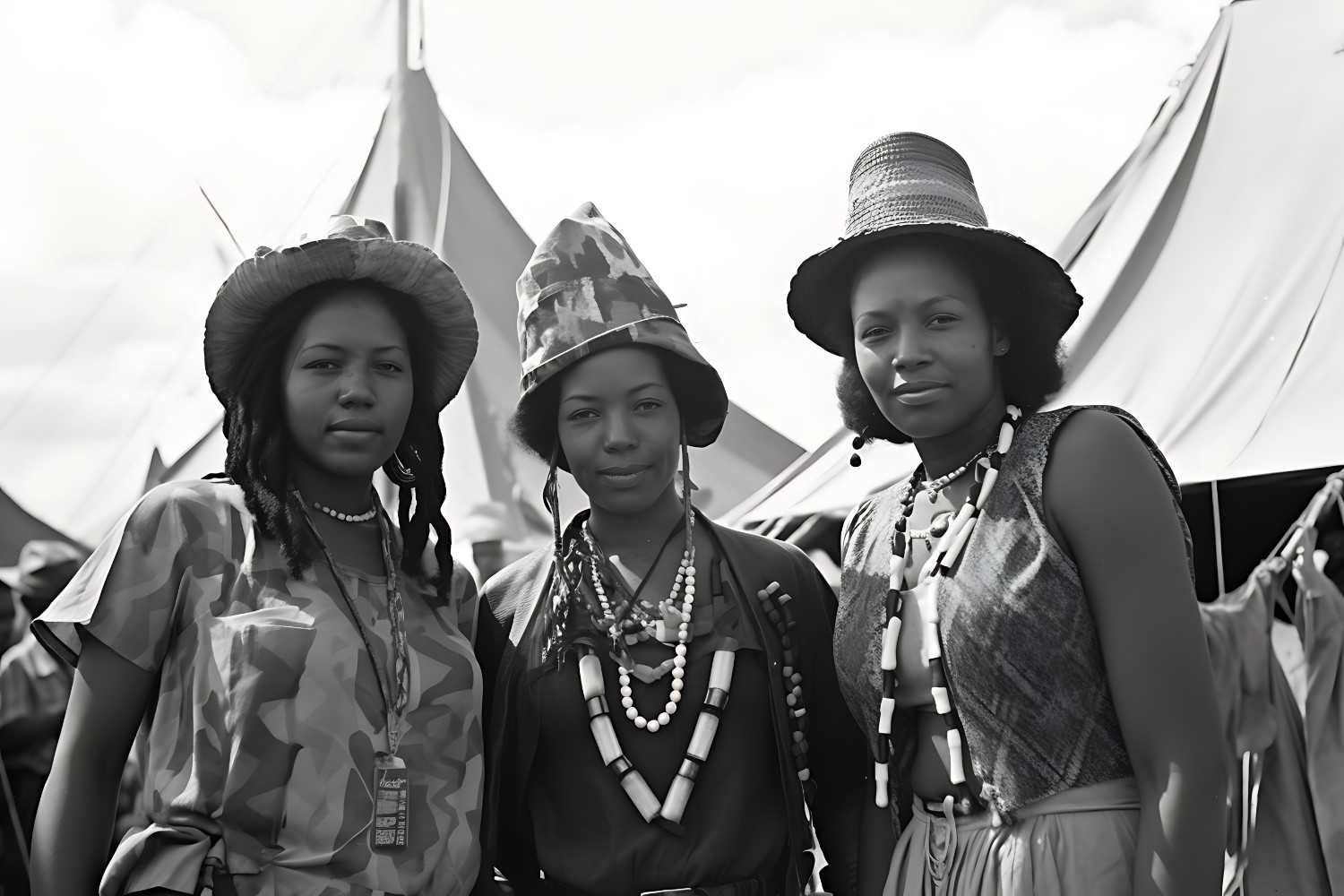
Downtown Atlanta’s National Center for Civil and Human Rights expands the story beyond one individual or era. Its exhibitions connect Reconstruction and the American Civil Rights Movement with present-day international human rights issues.
Herndon Home Museum
The Herndon Home introduces another essential part of Black Atlanta: entrepreneurship. Alonzo Herndon was born into slavery before building a successful business career and establishing Atlanta Life Insurance Company. His former mansion offers insight into African American achievement during segregation.
Flat Rock Archives
East of Atlanta in Stonecrest, Flat Rock Archives preserves the history of the historic Flat Rock community. Descendants and preservationists have documented generations of African American family and community life there, making it a valuable stop for travelers interested in rural Black history after emancipation.
What Black Heritage Sites Should You See in Savannah and Coastal Georgia?
First African Baptist Church
First African Baptist Church traces its congregation to the eighteenth century and remains one of Savannah’s defining African American landmarks. Enslaved people helped build the historic sanctuary.
Visitors also learn about traditions connecting spaces beneath the church with people escaping slavery, although some Underground Railroad interpretations rely on oral tradition rather than complete documentary evidence.
Pin Point Heritage Museum
At Pin Point Heritage Museum, a former oyster and crab factory becomes a window into coastal Gullah Geechee life. I find this site especially useful for understanding how fishing, seafood work, language, foodways, religion, and family traditions shaped a community founded by formerly enslaved African Americans.
Ralph Mark Gilbert Civil Rights Museum
The Ralph Mark Gilbert Civil Rights Museum explains Savannah’s struggle against segregation. Exhibits examine local NAACP leadership, sit-ins, boycotts, Jim Crow restrictions, and community organizing that transformed the city.
The Weeping Time
Savannah also preserves a far more painful chapter. The Weeping Time commemorates the 1859 sale of 436 enslaved people near the city, one of the largest documented sales of enslaved people in U.S. history.
Including this history prevents a Georgia heritage trip from focusing only on twentieth-century progress while overlooking the systems generations of Black Georgians resisted.
Sapelo Island and Hog Hammock
Sapelo Island provides another perspective on Gullah Geechee heritage. Hog Hammock remains a living community associated with descendants of enslaved Africans. I would treat a visit with particular respect because this is a community, not simply a tourist attraction.
Dorchester Academy in Midway
Dorchester Academy began after the Civil War as part of efforts to educate formerly enslaved African Americans. Decades later, it became important to Civil Rights organizing and citizenship education.
The site helps connect two important chapters of African American history: post-emancipation education and the twentieth-century campaign for equal rights.
Where Can You Explore Black History in Macon and South Georgia?
Tubman Museum in Macon
The Tubman Museum focuses on African American art, history, and culture. Its exhibitions connect Black creativity and achievement with regional and national history, making it one of Macon’s most important cultural institutions.
Douglass Theatre
Macon’s Douglass Theatre adds to music and entertainment history. Black entrepreneur Charles Douglass opened the theater in 1921, creating a major venue for African American audiences and performers during segregation.
Artists associated with its history include Ma Rainey, Bessie Smith, Cab Calloway, and Otis Redding, who appeared in talent-show programming there as a teenager.
Albany Civil Rights Institute
Albany played a central role in the mass campaigns against segregation in the early 1960s. The Albany Civil Rights Institute interprets the Albany Movement and stands beside historic Old Mount Zion Baptist Church, which served as an important gathering place.
The story demonstrates how students, clergy, residents, and national organizations combined grassroots organizing with nonviolent protest.
Jack Hadley Black History Museum
Thomasville’s Jack Hadley Black History Museum preserves thousands of photographs, documents, objects, books, and other materials relating to African American history.
Smaller regional institutions like this are valuable because they document families, schools, military service, businesses, and community experiences that larger national museums may not cover.
Where Can You Discover Black Heritage in Athens and Augusta?
Athens adds another important chapter through the Morton Theatre and historic Hot Corner. Built in 1910 by African American businessman Monroe Bowers “Pink” Morton, the theater became an important Black performance venue, while the surrounding district developed as a center of African American commerce.
In Augusta, the Lucy Craft Laney Museum of Black History honors the pioneering educator who established the Haines Normal and Industrial Institute. The surrounding Golden Blocks district was once the heart of Augusta’s Black business community, with banks, insurance companies, theaters, and other enterprises serving residents during segregation.
How Should You Plan a Georgia Black History Road Trip?
I would start in Atlanta, travel through Athens or Augusta, continue to Macon and Albany, and then finish around Savannah and coastal Georgia.
Rather than rushing through museums, I recommend leaving time for historic neighborhoods, churches, cultural landscapes, and guided tours. Check official websites before departure because tour access, opening hours, reservations, and ferry arrangements can change.
Frequently Asked Questions (FAQs)
1. What are the best black history sites in Georgia for first-time visitors?
For a first trip, I would prioritize Martin Luther King Jr. National Historical Park, Sweet Auburn, the National Center for Civil and Human Rights, First African Baptist Church, Pin Point Heritage Museum, the Tubman Museum, and Albany’s Civil Rights sites. Together they cover Civil Rights history, Black enterprise, faith, culture, art, and Gullah Geechee heritage.
2. Is Georgia’s Black history mainly about the Civil Rights Movement?
No. Georgia’s African American history also encompasses slavery, emancipation, Reconstruction, education, rural communities, entrepreneurship, music, historic churches, Gullah Geechee traditions, and generations of cultural preservation.
3. Which Georgia city has the most Black history sites?
Atlanta has one of the highest concentrations of African American heritage attractions in Georgia, including Martin Luther King Jr. National Historical Park, Sweet Auburn Historic District, the Herndon Home Museum, and the National Center for Civil and Human Rights.
A Deeper Way to Experience Georgia
What stays with me about visiting black history sites in Georgia is how differently each place contributes to the larger American story. Atlanta reveals leadership and Black enterprise, Savannah and the coast preserve early African American and Gullah Geechee heritage, Macon highlights culture and performance, and Albany demonstrates the power of grassroots activism. Travelers interested in broader heritage journeys can also explore experiences such as native American cultural sites in Arizona to understand how different communities have shaped the nation’s cultural identity.
Taken together, black history sites in Georgia offer something more meaningful than a checklist of museums. They create a statewide journey through the communities, institutions, and individuals whose work helped transform both Georgia and the United States.